



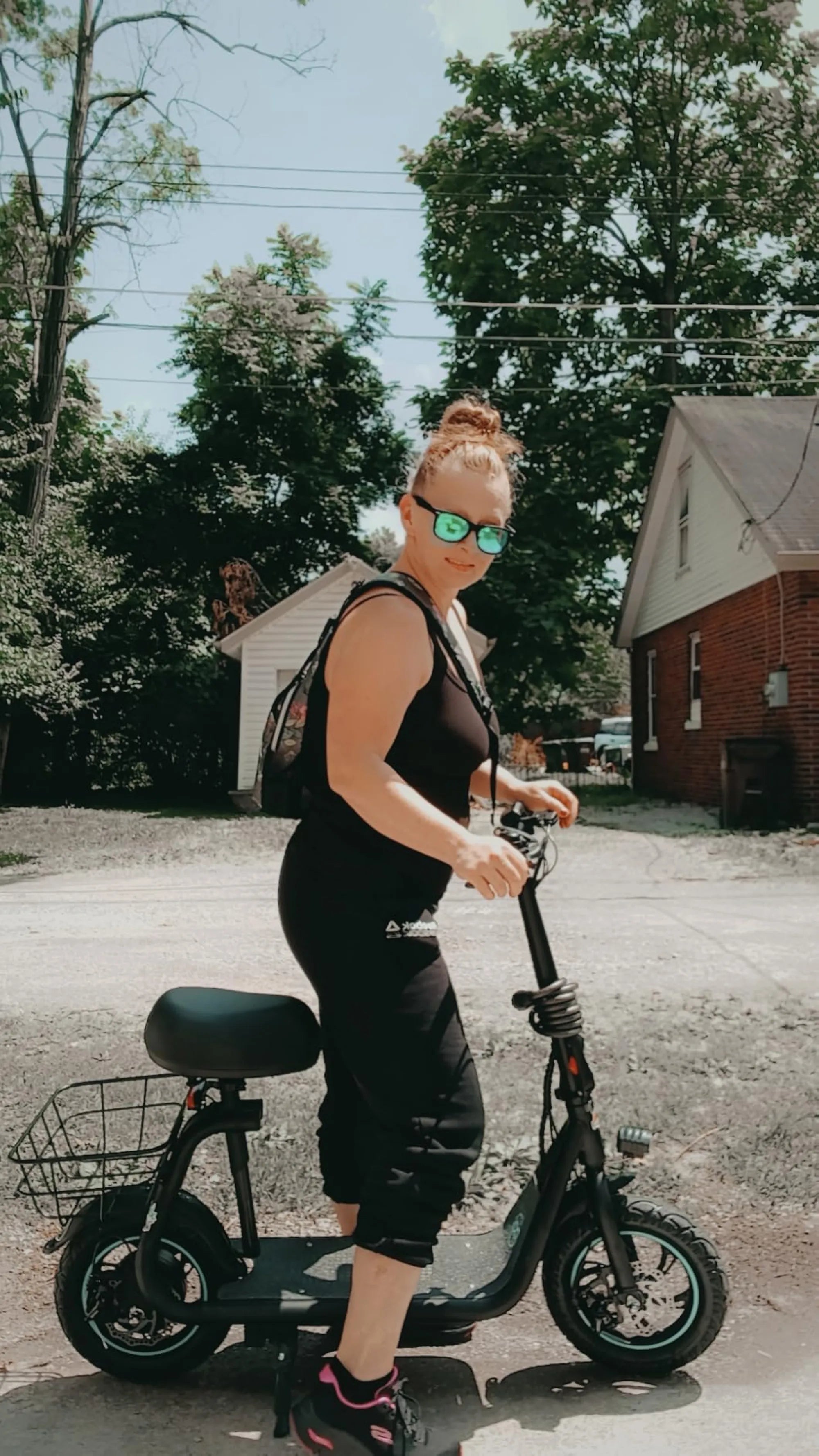
Introduction to E-Bike Road Legality
The question "can I ride an e bike on the road?" is one of the most common inquiries from new and prospective electric bike owners. The straightforward answer is yes, in most cases, but with critical legal distinctions that every rider must understand. Navigating the patchwork of local, state, and federal regulations is essential for safe, legal, and enjoyable riding.
This guide provides a definitive, data-driven breakdown of e-bike road legality. We will demystify e-bike classifications, explain how state laws differ, and outline the universal safety principles that protect you and others. Whether you're commuting in a major city or cruising suburban streets, knowing the rules is your first step to confident riding.
Understanding these regulations isn't just about avoiding fines; it's about integrating safely into existing transportation ecosystems. With over 100,000 riders trusting brands like Gyroor for their daily commute, knowing where and how you can legally ride is paramount. Let's start with the foundational concept: the three-class system.
Understanding E-Bike Classes: The Key to Road Legality
The core framework for e-bike regulation in the United States is the three-class system, initially developed by PeopleForBikes and now adopted by over 40 states. This system categorizes e-bikes based on their motor type and maximum assisted speed, which directly dictates where they can be ridden.
This classification is crucial because it determines whether your e-bike is treated as a standard bicycle or a motorized vehicle under the law. Misunderstanding your e-bike's class can lead to riding in prohibited areas or facing unexpected legal requirements. Always verify your e-bike's class specifications, typically found in the user manual or on the manufacturer's website.
Class 1, 2, and 3 E-Bikes Explained
Class 1 E-Bikes are defined as pedal-assist only, with no throttle. The motor provides assistance only when the rider is pedaling and ceases to assist at a speed of 20 mph. These are generally permitted anywhere a traditional bicycle is allowed, including bike lanes, paths, and roads.
Class 2 E-Bikes are equipped with a throttle that can propel the bike without pedaling. The motor assistance, whether via throttle or pedal-assist, also cuts off at 20 mph. Their throttle capability sometimes leads to additional restrictions on multi-use paths or in specific municipalities, though they are typically road-legal.
Class 3 E-Bikes are pedal-assist only (like Class 1) but with a higher maximum assisted speed of 28 mph. Due to their higher speed, they are often subject to additional regulations, such as age restrictions (16+ or 18+), mandatory helmet use, and prohibition from certain bike paths. They are primarily designed for road and street use.
The following table summarizes the key differences:
| Class | Motor Assistance Type | Max Assisted Speed | Typical Road Access | Common Path Access |
|---|---|---|---|---|
| Class 1 | Pedal-Assist Only | 20 mph | Full Access | Generally Permitted |
| Class 2 | Throttle & Pedal-Assist | 20 mph | Full Access | Often Restricted |
| Class 3 | Pedal-Assist Only | 28 mph | Full Access | Often Prohibited |
State and Local Laws: Your Essential Pre-Ride Checklist
While the three-class system provides a framework, the definitive answer to "can I ride an e bike on the road" depends on your specific location. State laws vary significantly, and cities or counties often have their own ordinances. Assuming blanket legality is a common and costly mistake for new riders.
For example, some states, like California, have fully embraced the three-class system with clear definitions. Others may have older laws that define e-bikes by wattage (e.g., 750W maximum) or treat certain classes as mopeds, requiring registration. Your first stop should always be your state's Department of Transportation website or a reputable e-bike advocacy resource.
Key legal variables to research include: minimum age requirements (especially for Class 3), helmet mandates (which may apply to all riders or only those under a certain age), the need for a driver's license, and whether your e-bike requires registration, insurance, or a special license plate. These requirements are far more common for vehicles classified as mopeds or motorcycles, which some high-powered or non-compliant e-bikes may be considered.
Navigating City-Specific Ordinances
Even within a state that permits e-bikes on roads, municipal laws can add another layer of regulation. Major metropolitan areas often have specific rules governing where different e-bike classes can operate.
New York City, for instance, has specific rules for throttle-assisted e-bikes, influencing where certain models can be ridden. Many cities prohibit all e-bikes on natural surface trails in parks or have designated certain paths for non-motorized use only. It is the rider's responsibility to know these local rules.
To navigate this, check your city's parks and recreation department website, municipal code, or local cycling advocacy groups. When in doubt, default to the most restrictive rule—if you're unsure if e-bikes are allowed on a specific path, choose the road instead. This proactive approach ensures you ride legally and maintain positive relationships with other path users and authorities.
Safety and Etiquette for Road Riding
Legal permission to ride on the road comes with the responsibility to ride safely and predictably. E-bike safety extends far beyond just wearing a helmet; it involves active defensive riding, proper equipment, and respectful etiquette.
Essential safety gear is non-negotiable. A properly fitted helmet is the most critical piece of equipment, significantly reducing the risk of head injury. For road riding, especially in low-light conditions, invest in high-quality front and rear lights. A bright white headlight (at least 500 lumens) and a solid or flashing red taillight are vital for visibility. Reflective clothing or accessories further enhance your presence to drivers.
Your e-bike itself must be road-ready. Regularly check tire pressure, brake function (both mechanical and motor cut-off sensors), and ensure all bolts are tight. For brands like Gyroor, which prioritize reliability with features like UL-certified batteries and IPX5 water-resistant designs, regular maintenance ensures the built-in safety systems function as intended. A pre-ride checklist takes only a minute but can prevent accidents.
Sharing the Road with Cars and Pedestrians
When sharing the road with cars, ride predictably and assertively. Take the lane when necessary for safety, such as when a lane is too narrow for a car to safely pass you. Obey all traffic signals, signs, and lane markings—you are a vehicle operator. Use hand signals well in advance of turns or lane changes to communicate your intentions clearly to drivers behind you.
When interacting with pedestrians, particularly on shared-use paths, reduce your speed and announce your presence politely with a bell or a verbal "on your left" before passing. Yield to pedestrians, as they have the right-of-way. The higher average speeds of e-bikes, especially Class 3 models, mean you must be even more vigilant and courteous than on a traditional bicycle to ensure everyone's safety.
Choosing the Right E-Bike for Road Commuting
Selecting an e-bike for road use means matching the bike's capabilities to your legal environment and practical needs. The first consideration is class: choose a Class 1 or Class 3 for unrestricted road use if you are a confident rider who pedals consistently. A Class 2 model offers throttle flexibility for starting from stops or tackling hills but be mindful of potential path restrictions.
For daily commuting, reliability is paramount. Look for brands with a proven track record in durability and customer support. Gyroor, trusted by over 100,000 riders, designs its e-bikes and electric scooters with commuter needs in mind. Features like UL-certified battery packs, tested for 500+ charge cycles, ensure long-term safety and performance, while the IPX5 water-resistant rating provides confidence in various weather conditions, all backed by a comprehensive 1-year warranty.
Practical features enhance the road commuting experience. Integrated lighting systems increase visibility and convenience. A comfortable, ergonomic riding position is crucial for longer rides. Consider motor power and battery range relative to your commute's distance and terrain. A bike that meets your needs reliably will encourage consistent use and provide a better return on your investment.
Essential Pre-Ride Maintenance and Checks
Consistent maintenance is the bedrock of safe road riding. A well-maintained e-bike is more reliable, efficient, and safer. Develop a routine that includes checking critical systems before every ride and performing deeper maintenance at regular intervals.
Before each ride, conduct the "ABC Quick Check": Air (check tire pressure), Brakes (test lever feel and pad wear), and Chain (check for lubrication and proper tension). Also, ensure your lights are functional and the battery has sufficient charge for your planned trip. A sudden loss of power on a busy road can be dangerous.
Monthly or bi-monthly checks should include inspecting brake pads for wear, checking that all nuts and bolts (especially on the stem, handlebars, and wheels) are secure, and cleaning the drivetrain. For the electrical system, keep battery contacts clean and store the battery in a cool, dry place. Following the manufacturer's maintenance schedule, as provided in Gyroor's documentation, protects your investment and ensures all safety features, like motor cut-off switches in the brakes, work correctly.
Legal Consequences and Insurance Considerations
Riding an e-bike illegally or unsafely can have real consequences. Penalties vary by jurisdiction but can include fines, citations, and in extreme cases, impoundment of the e-bike. More importantly, if you are involved in an accident while riding illegally or negligently, you may be found at fault and face significant liability.
This leads to the important question of insurance. While most states do not require insurance for Class 1, 2, or 3 e-bikes, it is a wise consideration. Your homeowner's or renter's insurance policy may offer some coverage for theft or damage, but liability coverage is less certain. If you cause an accident that injures someone or damages property, you could be personally liable.
Specialized e-bike insurance policies are becoming more available. These can provide coverage for theft, damage, and third-party liability. For commuters using a valuable e-bike daily or for riders of higher-speed Class 3 e-bikes, exploring insurance is a prudent step in comprehensive risk management. Always verify what protections you have before hitting the road.
Frequently Asked Questions (FAQ)
Q: Do I need a license, registration, or insurance to ride an e-bike on the road?
A: Typically, no for Class 1 and Class 2 e-bikes. For Class 3 e-bikes, some states may impose age restrictions (like requiring a rider to be 16+) but not a driver's license. Registration and insurance are generally not required for compliant e-bikes under the three-class system. However, laws vary, so checking your local regulations is essential.
Q: Can I ride my e-bike on the sidewalk?
A: In most urban and suburban areas, riding any bicycle or e-bike on the sidewalk is prohibited for adult riders. Sidewalks are for pedestrians, and e-bike speeds pose a significant safety risk. Always use the road or a designated bike lane where available.
Q: Are e-bikes allowed on highways or freeways?
A: Almost universally, no. Highways and controlled-access freeways have minimum speed limits that e-bikes cannot safely meet, and their design is incompatible with bicycle traffic. Riding on them is extremely dangerous and illegal.
Q: What should I do if I'm stopped by law enforcement?
A: Be polite and cooperative. Know your e-bike's class and be prepared to explain it. Understanding the local laws beforehand is your best defense. If you receive a citation you believe is in error, address it through the proper legal channels, not on the roadside.
Q: How does the 750W motor rating relate to e-bike classes?
A: The three-class system defines e-bikes by top motor-assisted speed, not wattage. However, a federal law limits consumer e-bikes to a motor output of 750W (1 horsepower). Most states align with this. A motor's wattage relates to its power for climbing hills and acceleration, but the class is defined by its maximum assisted speed.
The Future of E-Bike Road Access and Infrastructure
The landscape for e-bike riders is evolving rapidly. As adoption grows, cities and states are continually updating infrastructure and laws. We are seeing a positive trend toward clearer legislation based on the three-class system, which benefits both riders and law enforcement.
Infrastructure investment is also increasing. More protected bike lanes, dedicated e-bike parking with charging stations, and integration with public transit are on the horizon. Advocacy by organizations like PeopleForBikes is crucial in shaping this future to be safe and inclusive for all road users.
As a rider, staying informed about these changes is part of being a responsible member of the cycling community. Supporting local advocacy groups and providing constructive feedback to city planners can help create better, safer roads for everyone. The future of urban mobility is multi-modal, and the e-bike is poised to play a central role.
Conclusion: Ride Confidently and Legally
So, can I ride an e bike on the road? The resounding answer is yes, provided you equip yourself with knowledge. Understand your e-bike's class, meticulously research your state and local laws, invest in essential safety gear, and practice defensive riding etiquette. This comprehensive approach transforms legal compliance from a hurdle into the foundation for a safe, enjoyable, and sustainable commuting experience.
Choosing a reliable partner for your journey matters. Brands like Gyroor build trust through engineering focus on safety features like UL-certified batteries and robust warranties, allowing you to focus on the ride. By combining the right equipment with the right knowledge, you unlock the full potential of e-biking for transportation, fitness, and sheer enjoyment. Embrace the road with confidence and responsibility.
Ready to find your perfect road-legal e-bike? Browse the full Gyroor collection of reliable, feature-packed e-bikes and electric scooters designed for real-world commuting at gyroorboard.com.
Ebike Ratings 2025: The Definitive Guide to Top-Performing Electric Bikes
How Fast Is a 2 Stroke Dirt Bike? Speed Ranges & Performance Explained