

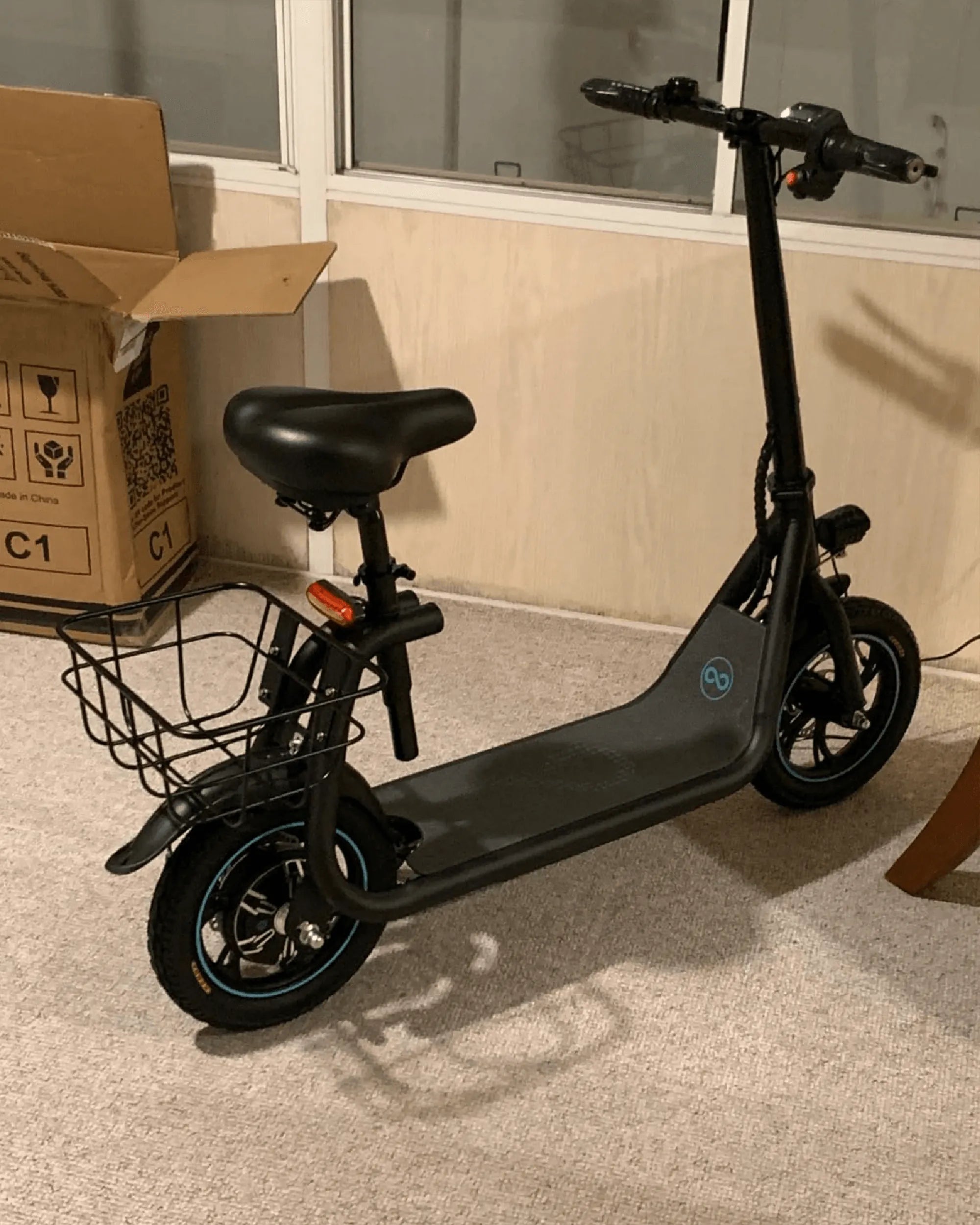
Electric bikes have surged in popularity as a convenient, eco-friendly, and cost-effective mode of transportation. But one question lingers in the minds of many potential riders: Can I ride an electric bike on the road? The answer isn’t always straightforward, as laws vary by location. This guide breaks down everything you need to know to ride legally and safely.
Understanding Electric Bike Classifications
Before hitting the road, it’s crucial to understand how electric bikes are classified. Most regions categorize e-bikes into three main classes:
- Class 1: Pedal-assist only, with a maximum speed of 20 mph.
- Class 2: Throttle-assisted, with a maximum speed of 20 mph.
- Class 3: Pedal-assist only, with a maximum speed of 28 mph.
These classifications often determine where you can ride. For example, Class 1 and 2 e-bikes are typically allowed on bike paths, while Class 3 may be restricted to roads.
Legal Requirements for Riding an Electric Bike on the Road
Laws governing e-bike use differ by country, state, and even city. Here are some common legal considerations:
Age Restrictions
Many regions require riders to be at least 16 years old to operate an electric bike on public roads. Some areas may also mandate a driver’s license or special permit.
Speed Limits
Most jurisdictions cap e-bike speeds at 20-28 mph. Exceeding these limits could reclassify your bike as a motor vehicle, subjecting it to stricter regulations.
Helmet Laws
Helmet requirements vary. Some areas mandate helmets for all e-bike riders, while others only require them for certain classes or age groups.
Registration and Insurance
In most places, electric bikes don’t require registration or insurance. However, higher-speed models may fall under motor vehicle laws, necessitating both.
Where Can You Ride an Electric Bike?
E-bike access depends on local regulations. Common riding areas include:
- Public Roads: Most e-bikes are permitted on roads, but some highways may prohibit them.
- Bike Lanes and Paths: Class 1 and 2 e-bikes are often allowed, while Class 3 may be restricted.
- Sidewalks: Many cities ban e-bikes on sidewalks for pedestrian safety.
Always check local laws to avoid fines or penalties.
Safety Tips for Riding an Electric Bike on the Road
Staying safe on an e-bike requires awareness and preparation. Follow these tips:
- Wear Protective Gear: Helmets, gloves, and reflective clothing enhance safety.
- Follow Traffic Rules: Obey traffic signals, use hand signals, and ride with the flow of traffic.
- Maintain Your Bike: Regularly check brakes, tires, and battery to ensure optimal performance.
- Stay Visible: Use lights and reflectors, especially at night or in low-light conditions.
What to Do If You’re Stopped by Law Enforcement
If questioned by authorities, remain calm and cooperative. Be prepared to:
- Provide proof of age or license if required.
- Explain your e-bike’s classification and speed capabilities.
- Know local laws to justify your riding location.
Ignorance of the law is rarely a valid defense, so familiarize yourself with regulations beforehand.
The Future of Electric Bikes on Public Roads
As e-bikes grow in popularity, laws are evolving to accommodate them. Many cities are expanding bike lanes and updating regulations to promote safe riding. Staying informed ensures you can enjoy the benefits of e-biking without legal hassles.
Ready to hit the road? With the right knowledge and precautions, riding an electric bike can be a fun, efficient, and lawful way to get around. Whether you’re commuting or exploring, understanding the rules keeps you safe and compliant.
Fat Tire Electric Bike 1500W: The Ultimate Off-Road Adventure Companion
Electric Scooter That Goes 40: Speed, Safety, and What You Need to Know