



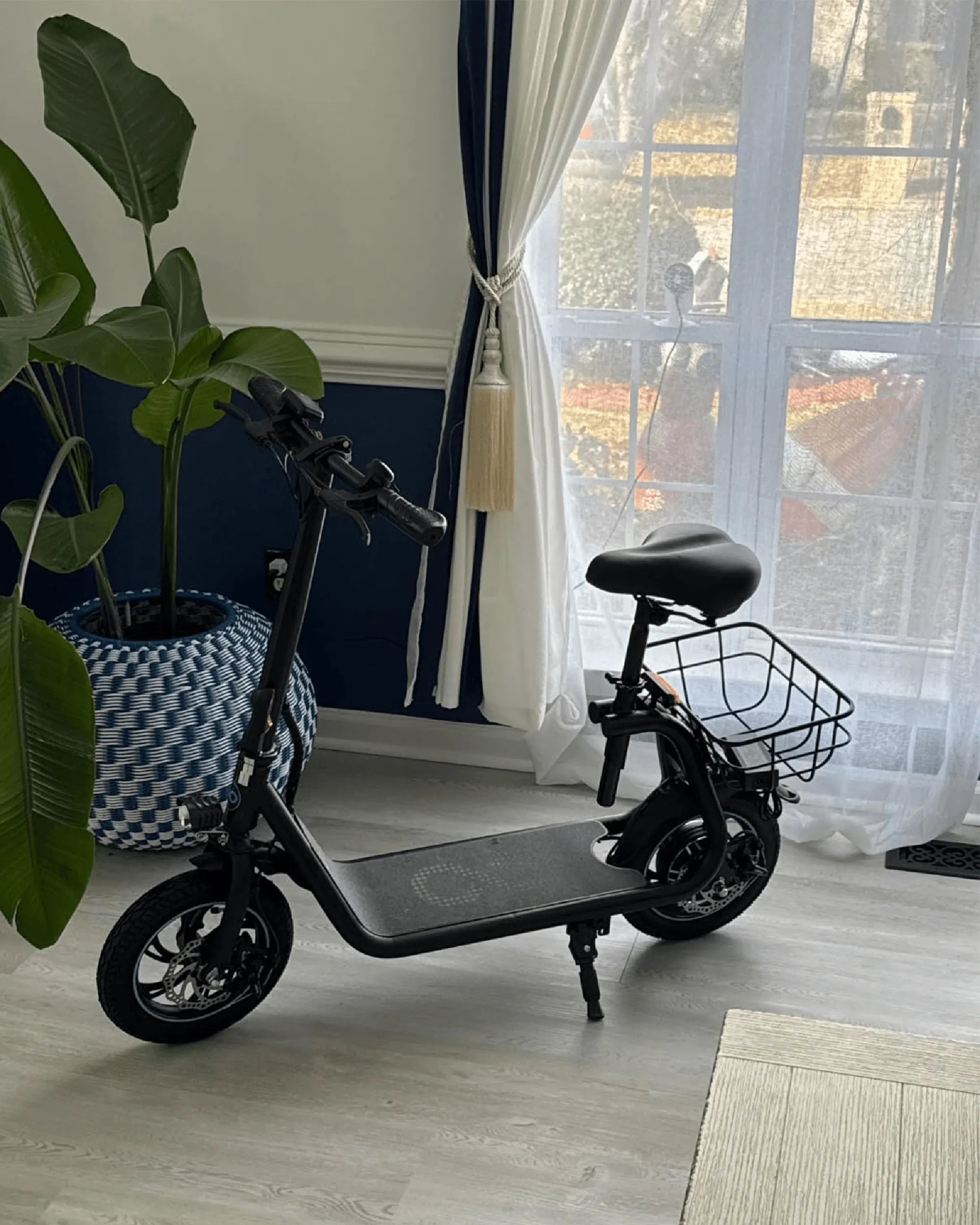
Electric bikes are revolutionizing urban transportation, offering a convenient and eco-friendly way to get around. But as their popularity grows, so do questions about where they can be ridden—especially when it comes to sidewalks. Can you ride an electric bike on the sidewalk? The answer isn’t always straightforward, as laws vary by location, and safety considerations play a big role. Let’s dive into the details.
Understanding Electric Bike Classifications
Before tackling sidewalk rules, it’s important to understand how electric bikes are classified. Most regions categorize e-bikes into three classes:
- Class 1: Pedal-assist only, with no throttle, and a maximum speed of 20 mph.
- Class 2: Throttle-assisted, with a maximum speed of 20 mph.
- Class 3: Pedal-assist only, with a maximum speed of 28 mph.
These classifications often determine where an e-bike can legally operate. For example, Class 1 and 2 e-bikes may be treated similarly to traditional bicycles, while Class 3 e-bikes might face stricter regulations.
Sidewalk Riding Laws by Region
Laws regarding electric bikes on sidewalks vary widely depending on where you live. Here’s a general overview:
United States
In the U.S., sidewalk riding laws are typically determined at the state or local level. Some states prohibit e-bikes on sidewalks entirely, while others allow it under certain conditions, such as:
- Riding at reduced speeds (e.g., under 10 mph).
- Yielding to pedestrians at all times.
- Restricting use to specific classes of e-bikes.
For example, California prohibits Class 3 e-bikes on sidewalks but allows Class 1 and 2 in some areas. Always check local ordinances before riding.
Europe
In many European countries, electric bikes with a maximum speed of 15.5 mph (25 km/h) are treated like regular bicycles and may be allowed on sidewalks unless local laws prohibit it. Faster e-bikes often require registration and are subject to stricter rules.
Canada
Canadian provinces generally follow similar guidelines to the U.S., with sidewalk riding often restricted or prohibited in urban areas. Rural areas may have more lenient rules.
Why Sidewalk Riding Is Often Restricted
Even if local laws permit it, riding an e-bike on the sidewalk can pose significant risks:
- Pedestrian Safety: Sidewalks are designed for foot traffic, and e-bikes can startle or endanger pedestrians, especially children and the elderly.
- Visibility Issues: Cars exiting driveways or turning at intersections may not expect fast-moving bikes on sidewalks, increasing collision risks.
- Uneven Surfaces: Sidewalks often have cracks, ramps, and other obstacles that can be hazardous for bike riders.
Alternatives to Sidewalk Riding
If sidewalk riding isn’t an option, consider these safer alternatives:
- Bike Lanes: Use designated bike lanes whenever available.
- Roadways: Ride with traffic, following the same rules as cars.
- Multi-Use Paths: Many cities have paths specifically for bikes, pedestrians, and other non-motorized vehicles.
Tips for Safe E-Bike Riding
Whether you’re on the sidewalk, road, or bike path, safety should always come first. Follow these best practices:
- Wear a helmet and reflective gear.
- Obey traffic signals and signs.
- Signal turns and stops clearly.
- Ride at a safe speed, especially in crowded areas.
- Stay alert and avoid distractions like phones.
Electric bikes offer a fantastic way to navigate cities, but knowing where and how to ride them is key to staying safe and legal. Always research local laws, prioritize pedestrian safety, and choose the best route for your ride. Happy cycling!
Salt Lake City Mountain Biking Trails: The Ultimate Guide to Adventure
Electric Scooter Range Battery Life Comparison: What You Need to Know