

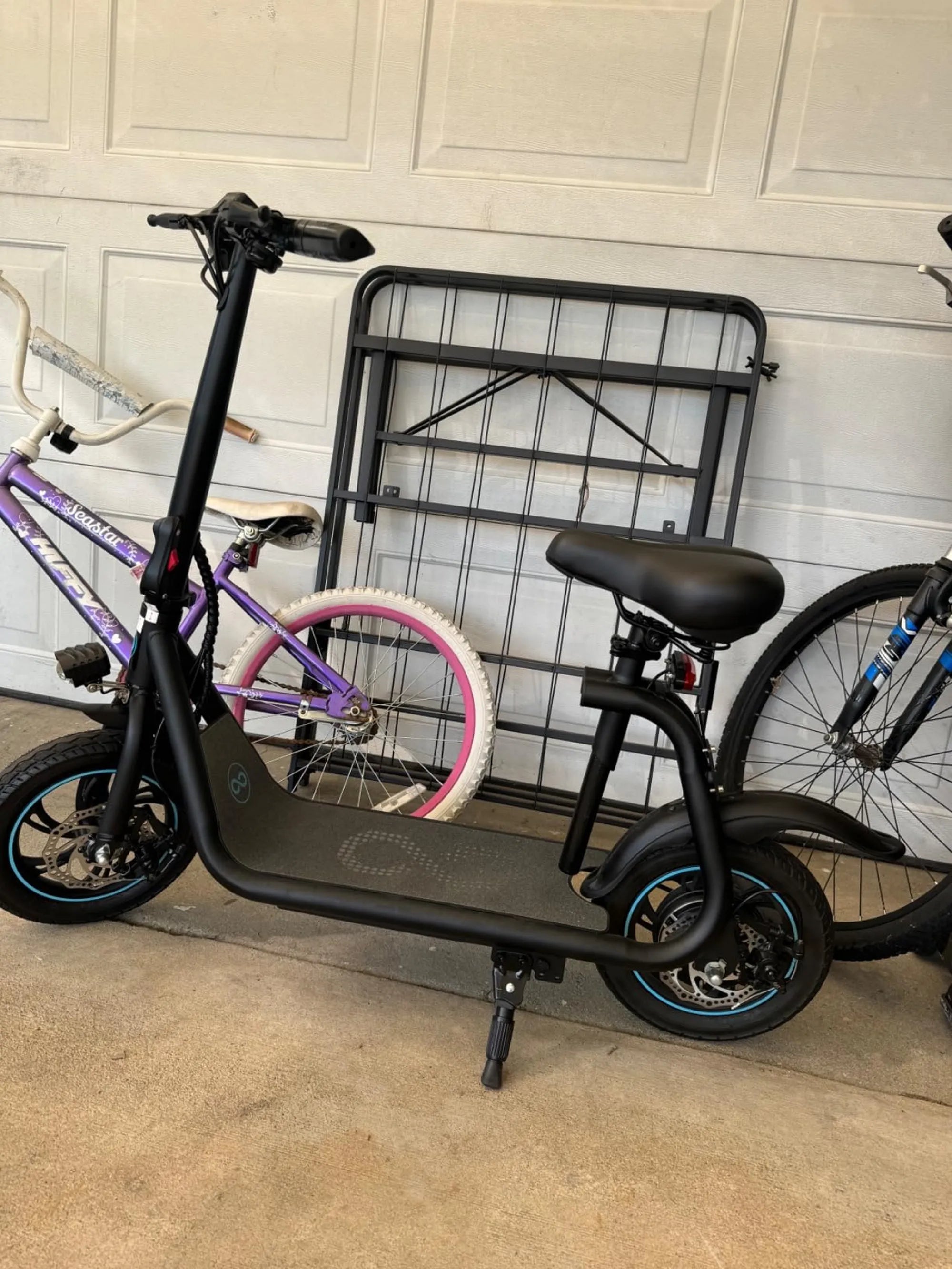
Electric scooters have taken cities by storm, offering a convenient and eco-friendly way to get around. But one question lingers in the minds of many riders: Can I ride my e-scooter on the sidewalk? The answer isn't always straightforward, as laws vary by location and often come with specific restrictions. Whether you're a seasoned rider or a newcomer, understanding the rules is crucial to avoid fines and ensure safety for yourself and others.
Understanding E-Scooter Laws
E-scooter regulations differ widely depending on where you live. In some areas, riding on sidewalks is strictly prohibited, while others allow it under certain conditions. Here's what you need to know:
- Local Ordinances: Many cities have specific laws governing e-scooter use. Always check your local government's website for the most up-to-date information.
- State Laws: Some states classify e-scooters similarly to bicycles, permitting them on bike lanes and roads but banning them from sidewalks.
- International Variations: If you're traveling abroad, research the rules in your destination country, as sidewalk riding may be allowed or forbidden entirely.
Why Sidewalk Riding Is Often Restricted
Sidewalks are primarily designed for pedestrians, and mixing fast-moving e-scooters with foot traffic can lead to accidents. Here are the main reasons behind restrictions:
- Pedestrian Safety: E-scooters can reach speeds of 15-20 mph, posing a risk to walkers, especially children and the elderly.
- Obstruction Hazards: Sidewalks are often crowded, with obstacles like benches, signs, and uneven surfaces that make riding dangerous.
- Legal Liability: If an accident occurs, riders may face fines or lawsuits, especially if local laws prohibit sidewalk use.
Where Can You Ride Your E-Scooter Legally?
If sidewalks are off-limits, where should you ride? Here are the most common alternatives:
- Bike Lanes: Many cities encourage e-scooter use in designated bike lanes, where riders can travel safely without interfering with pedestrians or cars.
- Roads: In areas without bike lanes, e-scooters may be allowed on roads, but riders should stay as far to the right as possible and follow traffic laws.
- Shared Paths: Some urban areas have multi-use paths where e-scooters, bikes, and pedestrians can coexist with caution.
Safety Tips for E-Scooter Riders
Whether you're on the sidewalk (where permitted) or the road, safety should always come first. Follow these guidelines to reduce risks:
- Wear a Helmet: Even if not legally required, a helmet can prevent serious injuries.
- Obey Speed Limits: Slow down in crowded areas and always yield to pedestrians.
- Stay Alert: Watch for obstacles, uneven pavement, and sudden pedestrian movements.
- Use Lights at Night: Ensure your e-scooter has front and rear lights for visibility.
What Happens If You Break the Rules?
Ignoring e-scooter regulations can lead to consequences, including:
- Fines: Many cities impose penalties for illegal sidewalk riding or other violations.
- Confiscation: In extreme cases, authorities may impound improperly ridden e-scooters.
- Legal Trouble: If an accident occurs due to reckless riding, you could face civil or criminal liability.
Advocating for Better E-Scooter Policies
As e-scooters grow in popularity, cities are reevaluating their regulations. Riders can help shape fair policies by:
- Supporting Local Initiatives: Join advocacy groups pushing for clearer e-scooter laws.
- Providing Feedback: Share your experiences with city planners to improve infrastructure.
- Promoting Responsible Riding: Set a good example by following the rules and encouraging others to do the same.
E-scooters offer a fun and efficient way to navigate urban environments, but knowing where you can ride is essential. Before hopping on, take a moment to research local laws—your safety and wallet will thank you. With the right knowledge and precautions, you can enjoy the ride while staying on the right side of the law.
Lightweight E Scooter for Adults: The Ultimate Guide to Convenient Urban Commuting
What Are Electric Scooters Made Of: A Deep Dive Into Their Components