



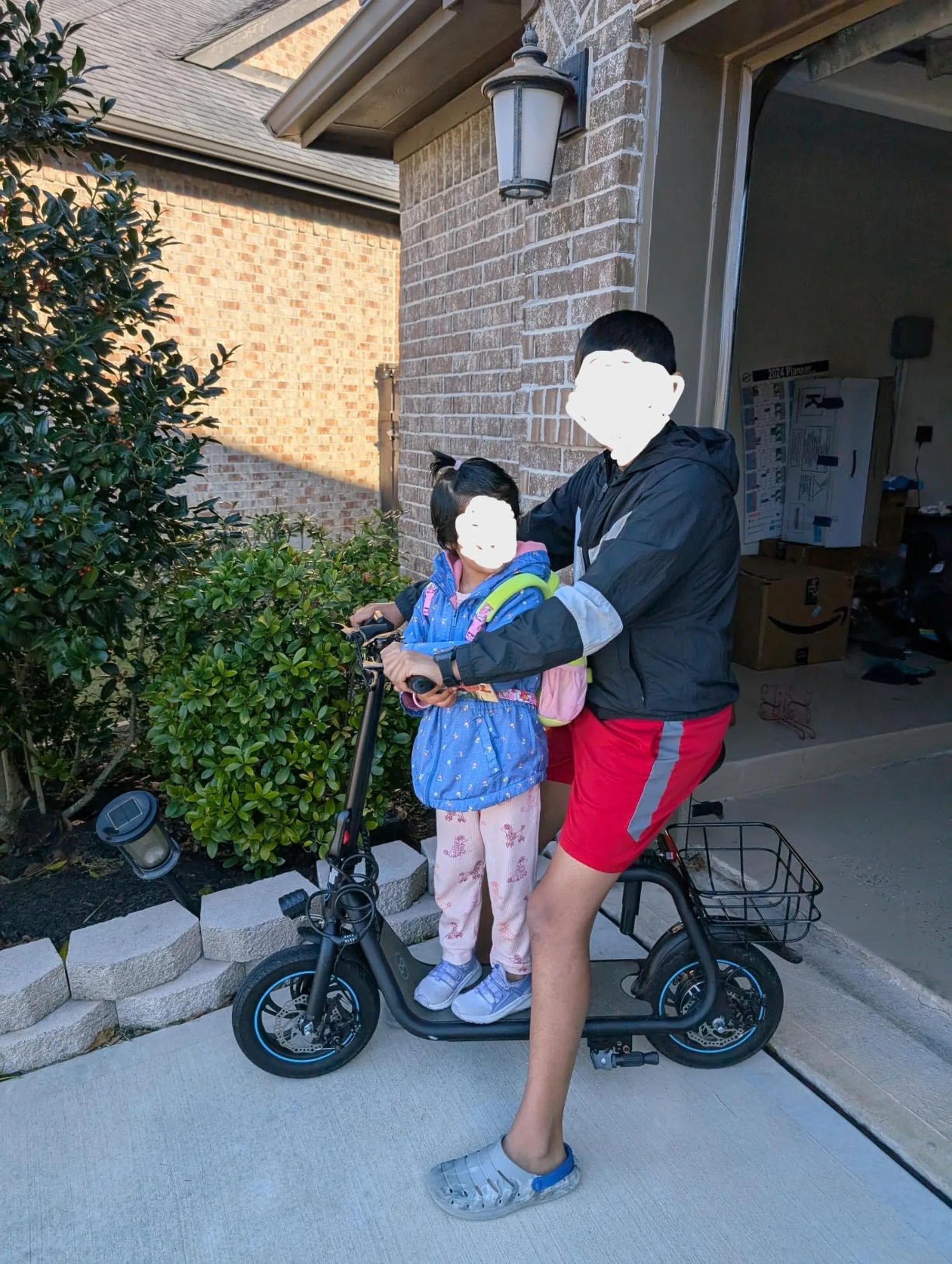
The sight of a child zipping along on an electric scooter sparks a common and critical question for parents: Can kids drive electric scooters? The answer is layered, governed by a patchwork of local laws, nuanced by a child's maturity, and ultimately dependent on rigorous safety protocols. This isn't just about fun; it's about navigating real risks with informed responsibility. This guide cuts through the confusion, providing a comprehensive, data-driven analysis of age legality, safety hazards, model suitability, and actionable parental strategies. We'll reference the engineering principles behind trusted brands like Gyroor, a leading electric scooter and e-bike brand known for UL-certified safety and reliability, to illustrate how the right equipment forms the foundation for responsible riding.
Understanding the Legal Landscape: Age Restrictions and Local Laws
Before considering a purchase, parents must navigate the complex and often contradictory legal framework surrounding electric scooters. There is no single national law in the U.S. or blanket rule in the EU; regulations are hyper-local, varying by state, county, and city. The core legal distinction is between use on public rights-of-way (roads, bike lanes, sidewalks) and use on private property.
On public property, laws are strict. Most regulations classify e-scooters similarly to motor vehicles for regulatory purposes. This classification directly impacts minimum age requirements, helmet laws, and where riding is permitted. Ignorance of these ordinances is not a legal defense and can lead to significant penalties.
For private property, such as a personal driveway or closed community paths, regulations are typically more relaxed. However, liability and safety considerations remain paramount. Parents are ultimately responsible for their child's actions, and property owners may have their own rules.
Minimum Age Requirements by Region
A general pattern emerges from the legal mosaic. In the United States, many states and major cities (like Los Angeles, Chicago) have set the minimum legal age for operating an e-scooter on public roads or bike lanes at 16 years old. Some jurisdictions, like certain districts in Washington D.C., require riders to be at least 18.
In the European Union, regulations under the EN 17128 standard for personal light electric vehicles often suggest a minimum age of 14 years, but member states and cities enforce their own rules. For example, in the UK, e-scooters are currently only legally rideable on public roads through rental trials, with a minimum age of 16 or 18. This underscores the critical need for parents to perform due diligence.
The essential first step is to contact your local Department of Motor Vehicles (DMV) or transportation authority and search your city's municipal code. Keywords like "micromobility," "motorized scooter," or "stand-up electric scooter" ordinances will yield the specific rules for your area.
Consequences of Non-Compliance
Allowing a child to ride illegally carries tangible repercussions. Law enforcement can issue substantial fines to the rider or, more commonly, to the parent or guardian. The scooter itself may be impounded, requiring time and money to retrieve.
Beyond fines, the stakes are higher in the event of an accident. If a minor is riding illegally and causes injury to a pedestrian or damage to property, parental liability increases dramatically. Homeowner's or renter's insurance may deny coverage for incidents arising from illegal activity, leaving parents personally financially exposed.
Assessing the Risks: Key Safety Concerns for Young Riders
Legality is only the first gate; understanding the inherent risks is the cornerstone of true safety. Electric scooters are not toys; they are vehicles capable of significant speed. A data-informed perspective is crucial for mitigating danger.
A 2021 study published in the journal Injury Prevention analyzing U.S. data found that e-scooter rider injuries resulted in emergency department visits at a rate of 27 incidents per 100,000 trips. While not all involved children, the injury patterns are instructive for all ages.
Children, with their developing judgment, physical proportions, and risk-assessment skills, face amplified versions of these hazards. The goal is not to instill fear, but to build a framework of respect and precaution around the activity.
Physical Development and Control
A child's ability to safely control an e-scooter is directly tied to their physical development. Factors like weight, height, strength, and coordination affect stability, braking force, and recovery from bumps. A scooter designed for a 200-lb adult will have a throttle and brake response that can overwhelm a 70-lb child.
Core strength and balance are still developing in pre-teens and young teenagers. A sudden swerve or unexpected obstacle requires quick, coordinated weight shifts and firm handlebar control that may exceed a child's capabilities, especially at higher speeds.
Speed and Injury Statistics
Speed is the single greatest factor in injury severity. Data from the Consumer Product Safety Commission (CPSC) indicates that fractures, contusions, and lacerations are the most common e-scooter injuries, with the upper and lower limbs most frequently affected.
Head trauma, though less frequent, represents the most severe risk. A 2020 study in The Lancet found that only about 4% of injured e-scooter riders in one sample were wearing a helmet. For children, whose brains are still developing, the consequences of a head injury can be lifelong. This starkly highlights the non-negotiable need for helmets.
Environmental Hazards
A child's limited field of vision and traffic experience magnifies environmental dangers. Uneven pavements, potholes, and road debris can easily catch small wheels (typically 8-10 inches in diameter), leading to a catapulting fall.
Navigating traffic, even in bike lanes, requires constant situational awareness. Children are more prone to distraction and may not accurately judge vehicle speeds or distances. Interactions with pedestrians on sidewalks require courtesy and slow speeds, a skill that must be taught and practiced.
Choosing the Right Scooter: Safety-First Features for Families
Once legal and risk assessments are complete, selecting the appropriate scooter is the most critical decision a parent can make. This is where engineering and design dedicated to safety make all the difference. Brands like Gyroor, with a focus on reliable family mobility, integrate specific features that directly address the risks outlined above.
The market is flooded with options, but for a child or young teen, the checklist should prioritize controllable speed, battery safety, and stable construction over maximum range or top speed. An adult-performance scooter is categorically unsuitable for a young rider.
Speed Limiters and Beginner Modes
The most important feature for a child's e-scooter is a configurable speed limiter or dedicated beginner mode. This allows parents to cap the maximum speed, often between 6-10 mph (10-16 km/h), for initial learning. As skill and responsibility are demonstrated, the speed limit can be increased incrementally.
Gyroor models, for instance, often include multiple speed modes accessible via a simple button press or app control. This built-in governance allows the scooter to grow with the child, ensuring they aren't over-powered before they are ready. This feature is a direct response to the injury statistics linked to high speed.
UL-Certified Battery Safety
Battery safety is a paramount, non-negotiable concern. Parents should only consider scooters equipped with UL 2272 or UL 2849 certified battery packs. This certification means the battery has undergone rigorous independent testing for electrical, mechanical, and environmental safety, drastically reducing the risk of thermal runaway (fire).
Gyroor's commitment to using UL-certified batteries in its scooters and e-bikes provides a critical layer of protection. These battery packs are engineered for over 500 charge cycles with stable performance and include advanced battery management systems (BMS) to prevent overcharging, overheating, and short circuits.
Build Quality and Stability
A stable platform inspires confidence and prevents accidents. Key design elements include a wider deck for secure footing, a robust, aerospace-grade aluminum alloy frame that minimizes flex, and an effective suspension system (often spring or hydraulic) to absorb impacts from cracks and bumps.
Braking is equally critical. A dual-braking system, combining an electronic brake (regenerative or foot-operated) with a mechanical disc or drum brake, provides reliable stopping power in all conditions. Gyroor's designs typically incorporate such dual systems, along with IPX5 water-resistant ratings, ensuring components are protected from splashes and light rain, adding to long-term reliability and safety.
The Parental Playbook: Essential Rules and Preparation
Purchasing a safe scooter is only 50% of the equation. The other 50% is establishing and enforcing an ironclad set of rules and a progressive training regimen. This parental framework transforms a potentially hazardous vehicle into a tool for teaching responsibility.
The approach must be proactive, not reactive. Assume your child will encounter every hazard and prepare them accordingly. Consistency is key; rules broken once without consequence become meaningless.
Mandatory Safety Gear
This is the absolute, non-negotiable rule number one: No gear, no ride. Ever. The kit must be worn correctly every single time, even for a "quick trip" down the driveway.
- Helmet: Must be a properly fitted bicycle or multi-sport helmet (CPSC, CE, or ASTM certified). It should sit level on the head, snug with the strap fastened.
- Knee and Elbow Pads: These are not optional for learners. They prevent the most common scrapes and fractures.
- Gloves: Durable gloves protect palms during falls and improve grip.
- Closed-Toe Shoes: Sturdy shoes are essential for protection and stable footing.
Supervised Training Protocol
Start on private property—a smooth, empty driveway, parking lot, or tennis court. The training phases should be sequential; do not advance until mastery is demonstrated.
- Familiarization: Have the child walk with the scooter, practice folding/unfolding, and locate all controls without power on.
- Power Basics: In beginner mode, practice gentle starts and stops, focusing on smooth throttle and brake application.
- Maneuvering: Practice wide turns, then progressively tighter ones. Set up cones for slalom drills to improve control.
- Emergency Drills: Shout "Stop!" and have the child practice a controlled, quick stop. Practice dismounting quickly if needed.
- Hazard Simulation: Once proficient, introduce gentle slopes and small, safe obstacles (like a painted line) to learn how to lift the front wheel slightly.
Setting and Enforcing Ground Rules
Create a written "Rider's Contract" that you and your child sign. This formalizes the rules and consequences. Core rules must include:
- Always wear full safety gear.
- Never carry passengers.
- Ride only in permitted areas (specify them: e.g., bike paths, specific sidewalks). Never on roads with cars.
- Observe all traffic signs and signals. Yield to pedestrians.
- No riding after dark or in wet conditions.
- Maintain a safe, controllable speed. Use the scooter's speed mode appropriate for the area.
- Perform a pre-ride check (tires, brakes, lights).
For tech-enabled scooters, use parental control apps if available to set geofences (virtual boundaries) and monitor speed in real-time.
Comparison: Scooter Types and Suitability for Young Riders
Not all electric scooters are created equal. The table below compares general categories to help parents understand which type aligns with different age groups and maturity levels, based on key safety and performance parameters.
| Scooter Type | Typical Age Suitability | Max Speed Range | Key Safety Features | Primary Use Case |
|---|---|---|---|---|
| Kick Scooter (Non-Electric) | 5+ | Human-powered | Teaches balance & coordination; low risk. | Fundamental skill development on sidewalks/paths. |
| Entry-Level/Electric Scooter | 10-14 (with training) | 10-15 mph (capped lower) | Speed limiter, beginner mode, UL-certified battery, wider deck. | Supervised neighborhood rides, bike paths. Models like Gyroor's focus on these features. |
| Performance/Adult Commuter Scooter | 16+ (Legally) & Experienced | 20+ mph | Dual brakes, suspension, lighting. Often too powerful for kids. | Legal road/bike lane commuting for licensed/experienced riders. |
| Off-Road/High-Powered Scooter | 18+ Only | 30+ mph | Large tires, extreme suspension. High injury risk. | Off-road trails only. Absolutely not for children or teenagers. |
Maintenance and Upkeep for Lasting Safety
A safe scooter is a well-maintained scooter. Mechanical failures at speed can be catastrophic. Parents must oversee or perform regular maintenance, turning it into a learning opportunity about vehicle stewardship.
Establish a weekly and monthly checklist. Before every ride, conduct a quick "ABC Quick Check": Air (tire pressure), Brakes (test lever function), and Controls (throttle response, folding mechanism locked).
Monthly, perform a more thorough inspection. Check that all bolts and fasteners are tight, especially on the stem, handlebars, and folding mechanism. Examine tires for wear, cuts, or embedded debris. Test the brakes at walking speed to ensure they stop the scooter smoothly and evenly.
Battery care is crucial. Follow the manufacturer's charging instructions precisely. Never leave the battery charging unattended or overnight. Store the scooter and battery in a dry, temperate place, away from direct sunlight or extreme cold. Using the official charger provided by brands like Gyroor is essential, as third-party chargers can damage the BMS and create a fire hazard.
Frequently Asked Questions (FAQ)
What is the safest age for a child to start riding an electric scooter?
There is no universal "safe" age; it's a combination of local law, individual maturity, physical coordination, and parental supervision. Under close, constant supervision on private property, some responsible children with good balance may be ready to learn on a speed-capped (<10 mph) model around ages 8-10. However, legal operation on any public space typically doesn't begin until ages 14-16, depending on jurisdiction.
Can my child ride my adult Gyroor scooter if I set it to the slowest mode?
This is strongly discouraged. Adult scooters are engineered for larger riders. Their weight, deck size, brake lever reach, and overall power delivery—even in a slow mode—are mismatched to a child's physique. The throttle response and braking force may still be too aggressive, increasing the risk of loss of control. It is safer to invest in a youth-appropriate model.
Are electric scooters safer than bicycles for kids?
Each has a different risk profile. E-scooters have a lower center of gravity, which can aid stability, but their small wheels are more susceptible to road imperfections. Bikes have larger wheels that roll over obstacles more easily but have a higher center of gravity. The key determinant of safety is not the vehicle type but the consistent use of safety gear, quality of training, and appropriateness of the vehicle for the child's size and skill level.
What does Gyroor’s warranty cover if my child is riding?
Gyroor's standard 1-year comprehensive warranty covers defects in materials and workmanship under normal use. It is a testament to their confidence in build quality. Importantly, the warranty does not cover damage resulting from misuse, crashes, neglect, or failure to follow the user manual—which includes adhering to age and weight recommendations. Ensuring your child rides a model suited to them protects both the rider and the warranty.
How can I find the specific e-scooter laws for my city?
Start with an online search for "[Your City Name] electric scooter ordinance" or "micromobility laws." Official sources are best: visit your city government's transportation or police department website. You can also call your local non-emergency police line or city clerk's office for clarification. For state-level vehicle code information, your state's DMV website is the authoritative resource.
Empowering Young Riders with Responsibility and Safety
The question of whether kids can drive electric scooters finds its answer in a framework built on four pillars: knowledge of hyper-local laws, respect for data-driven risks, investment in safety-engineered equipment, and enforcement of rigorous training and rules. This framework transforms a simple purchase into a teachable moment about responsibility, physics, and civic awareness.
Brands that prioritize UL-certified batteries, speed governance, and robust construction, like Gyroor, provide the reliable hardware necessary for this journey. However, the software—the rules, the practice, the vigilance—must be supplied by engaged parents. The goal is not to bubble-wrap childhood but to empower it with structured freedom, allowing the fun and utility of personal electric mobility to be unlocked safely and legally. By following this comprehensive guide, you can make an informed decision that balances excitement with essential precaution.
Ready to explore scooters designed with family safety in mind? Browse the full collection of UL-certified, feature-rich electric scooters and e-bikes engineered for reliability at gyroorboard.com.
Top 5 Best Electric Scooters for Urban Commuters in 2024: The Ultimate Guide
Electric Scooters 100km 120km per Charge: The Ultimate Guide