



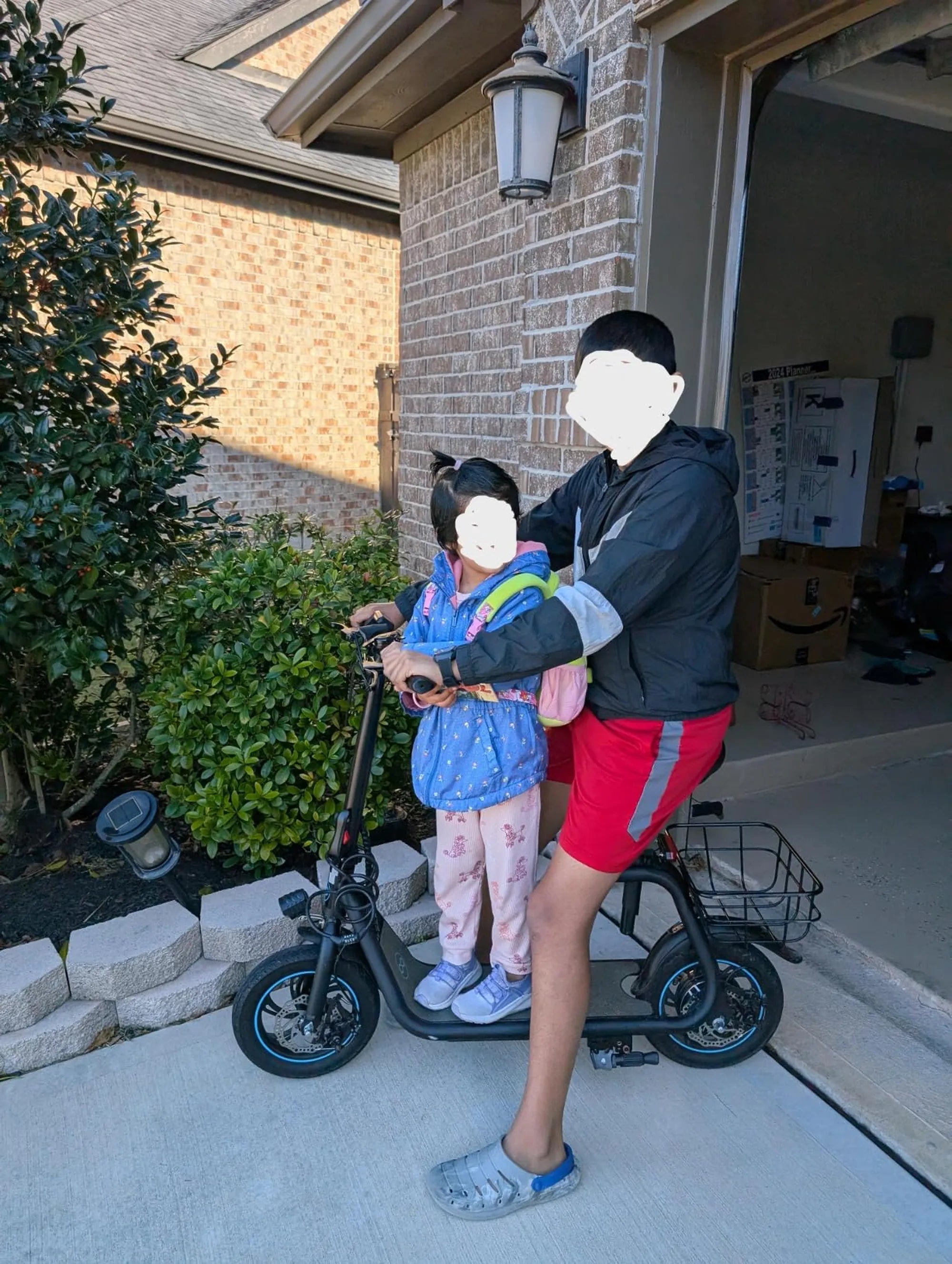
Electric scooters have transformed from niche gadgets to common sights in neighborhoods and parks, inevitably leading many parents to ask: Can kids ride electric scooters? The direct answer is yes, but with significant and non-negotiable conditions centered on safety, appropriate equipment, and parental guidance. This isn't a simple yes-or-no purchase; it's a decision that involves assessing your child's readiness, understanding local laws, and committing to ongoing supervision. This guide will provide you with a factual, detailed framework covering age appropriateness, model selection, inherent benefits, proven risks, and the critical rules that make riding a safe, enjoyable activity for young riders.
Understanding Age Appropriateness and Legal Guidelines
Determining if a child is ready for an electric scooter goes far beyond a birthday. It's a combination of physical development, cognitive maturity, and local legislation. Most reputable manufacturers and municipal laws set minimum age requirements, typically starting at 8 years old for beginner models and often 12+ or 14+ for more powerful scooters.
These age limits exist for concrete reasons. Younger children are still developing the coordination, judgment, and impulse control necessary to operate a motorized vehicle safely, even at low speeds. Their ability to assess risk, react to obstacles, and understand traffic dynamics is fundamentally different from that of a teenager or adult.
Local laws vary dramatically. Some cities prohibit e-scooter use on sidewalks entirely, while others have specific age restrictions for public rights-of-way. As a parent, your first step must be to check your city's transportation or municipal code. Ignorance of the law is not a defense and can result in fines or confiscation of the scooter.
Ultimately, the legal minimum is just a starting point. Parental discretion, based on intimate knowledge of your child's individual maturity and responsibility level, is the most critical factor. A cautious and coordinated 10-year-old may be far more ready than an impulsive 13-year-old.
Key Factors in Determining Readiness
Before considering a purchase, honestly assess your child against these developmental markers. Use this as a readiness checklist.
Balance and Core Coordination: Can your child confidently ride a bicycle without training wheels? Mastery of a non-motorized kick scooter is an even better indicator, as it directly translates to the balancing mechanics of an e-scooter.
Understanding of Safety Rules: Does your child consistently follow basic safety instructions, like looking both ways before crossing a street? Can they internalize and adhere to new rules, such as always wearing a helmet?
Judgment of Speed and Distance: Operating an e-scooter requires anticipating stopping distances and understanding how speed affects control. Observe if your child can judge the speed of approaching objects during other play activities.
Impulse Control and Responsibility: This is crucial. Will your child be tempted to show off, race, or ignore rules when with friends? The ability to resist peer pressure and prioritize safety is a hallmark of readiness.
Choosing the Right Electric Scooter for Your Child
Selecting a scooter is the most tangible safety decision you will make. The wrong choice—too fast, too heavy, poorly built—increases risk exponentially. Look beyond flashy colors and focus on engineering specifications designed for safety and manageability.
The market is flooded with options, but for a child, the priority must be control and stability over raw power or high top speed. A scooter should be a tool for controlled fun and skill development, not a thrill-seeking device. The build quality directly correlates with reliability and safety during use.
Weight capacity is a key but often overlooked spec. A scooter rated for a maximum load close to your child's weight will handle more predictably. Conversely, a very light child on a scooter built for adults may find it unwieldy and difficult to control, especially when braking.
Consider the scooter's weight itself. Your child should be able to maneuver it slightly when off (e.g., to carry it up a short curb or into a garage). If it's too heavy, it becomes a hazard during dismounts or if it tips over.
Safety-First Specifications: What to Look For
When comparing models, these features are non-negotiable for a child's scooter. They form the foundation of a safe riding experience.
- Speed Limiter and Modes: The scooter must have a beginner or eco mode that caps speed, ideally between 7-10 mph (11-16 km/h). The ability to lock this mode with a parental PIN is a superior feature, preventing your child from switching to a faster setting.
- Dual Braking System: A combination of an electronic (e-brake) and a mechanical brake (disc or drum) provides redundancy. If one system fails, the other can still stop the scooter. Test the brakes for a smooth, progressive feel, not a jarring, sudden lock-up.
- Deck Height and Size: A lower deck height lowers the center of gravity, dramatically improving stability. The deck should also be long and wide enough for your child to place both feet comfortably in a stable stance.
- Tire Type: Pneumatic (air-filled) tires or quality foam-filled tires offer far better shock absorption and traction on uneven surfaces compared to small, solid rubber tires, which can slip easily on wet pavement or gravel.
- Battery Safety Certification: This is paramount. Only consider scooters with batteries certified by a recognized testing laboratory like UL (Underwriters Laboratories). This certification involves rigorous testing for overcharge, short circuit, and thermal stability, drastically reducing fire risk.
The Gyroor Advantage for Young Riders
As a leading electric scooter and e-bike brand trusted by over 100,000 riders across North America and Europe, Gyroor engineers its products with these safety principles at their core. For parents, this translates into specific, tangible advantages.
Every Gyroor scooter uses UL-certified lithium-ion battery packs, tested for over 500 charge cycles. This provides peace of mind regarding the most critical and potentially hazardous component, ensuring safe, reliable power. Parents can charge the scooter without undue worry.
Many Gyroor models feature an IPX5 water-resistant rating. This engineering protects the electrical components from water jets from any direction, meaning light rain, puddles, and wet pavement won't cause immediate damage or create a short-circuit hazard. It's a feature that adds durability and safety for real-world, kid-friendly use.
The commitment to safety is backed by a 1-year comprehensive warranty with accessible customer support. This long-term reliability means the scooter is built to last through a child's learning phases and growth, and any manufacturing defects are covered, ensuring the scooter remains in safe operating condition.
The Dual Edges: Benefits and Inherent Risks
A balanced view is essential. Electric scooters offer genuine developmental benefits but carry inherent risks that must be acknowledged and managed. Dismissing either side of this equation is irresponsible.
The benefits, when riding occurs under safe conditions, are significant and align with goals many parents have for their children's physical and social development. Conversely, the risks, often highlighted in emergency room statistics, are almost always tied to a lack of safety gear, improper supervision, or use of inappropriate equipment.
Understanding this duality allows parents to make an informed choice and implement the protocols necessary to maximize the former and minimize the latter. The goal is not to eliminate risk—an impossibility in any physical activity—but to mitigate it to an acceptable level through preparation and rules.
Proven Benefits for Development and Fun
When used correctly, an electric scooter can be more than a toy; it can be a developmental tool.
Promotes Outdoor Physical Activity: In an age of screens, e-scooters provide a compelling reason to go outside. Riding develops core strength, leg muscles, and overall cardiovascular health in an engaging way that feels like play, not exercise.
Enhances Balance and Coordination: The act of balancing, steering, braking, and weight-shifting on a moving platform is a complex neuromuscular skill. Regular practice significantly improves proprioception and fine motor control.
Teaches Responsibility and Mechanics: Caring for a personal vehicle—charging it properly, performing pre-ride checks, keeping it clean—instills a sense of ownership and responsibility. It's a practical introduction to basic vehicle maintenance.
Fosters Independence and Social Play: Mastering a skill builds confidence. Riding with friends or family in a safe area can foster social bonding, cooperative play, and a healthy sense of independence, all within a defined, supervised boundary.
Acknowledging and Mitigating the Risks
Data from organizations like the U.S. Consumer Product Safety Commission (CPSC) clearly shows a rise in e-scooter related injuries, particularly among children. Honest acknowledgment is the first step toward prevention.
The most common injuries are fractures, contusions, and abrasions from falls. More serious head injuries occur almost exclusively when riders are not wearing a helmet. Collisions with stationary objects, cars, or pedestrians are another significant risk factor, often due to high speed, distraction, or riding in prohibited areas.
The primary risk mitigation strategy is multi-layered: proper safety gear + appropriate scooter + strict riding rules + active supervision. A failure in any one layer increases danger. For instance, the best helmet is useless if the child is riding a high-speed scooter in traffic. Similarly, a perfect beginner scooter offers little protection if the child rides without a helmet.
Most serious incidents are not accidents but predictable outcomes of unsafe practices. By controlling the variables within your power—the equipment and the environment—you can create a safety framework that makes riding acceptably safe.
The Non-Negotiables: Essential Safety Gear and Rules
Safety gear and family rules are not suggestions; they are the immutable laws of riding. Their consistent enforcement is what separates a safe hobby from a dangerous one. Present these as non-negotiable conditions of ownership from the very beginning.
The mentality must be similar to seatbelt use in a car: no gear, no ride. No exceptions, even for a "quick trip." This consistency removes negotiation and establishes an ironclad safety culture. The rules, similarly, must be clear, simple, and understood to have immediate consequences if broken.
Invest in high-quality gear from the start. It is a one-time cost that provides protection for years across multiple activities. Cheap, uncertified gear can fail when it's needed most and provides a false sense of security.
The Mandatory Safety Kit
This kit must be worn every single time the scooter is powered on.
- CPSC-Certified Helmet: This is the single most important item. It must be certified for bicycle riding (CPSC standard in the U.S., CE EN1078 in Europe) and fit snugly, sitting level on the head and covering the forehead. Replace it after any significant impact.
- Knee and Elbow Pads: These protect the joints most vulnerable in a forward or sideways fall. They should have hard plastic caps and comfortable, non-slip straps.
- Wrist Guards: Essential for e-scooter riders. In a fall, the instinct is to put hands out, making wrists highly prone to fractures and severe sprains. Guards splint the wrist to prevent hyperextension.
- Sturdy, Closed-Toe Shoes: No sandals, crocs, or flip-flops. Athletic shoes provide ankle support and protect feet during a foot-down stop or if the scooter tips over.
- Bright or Reflective Clothing: Especially important in low-light conditions (though riding at dusk/night should be discouraged). It makes your child highly visible to others.
Establishing Family Riding Rules
Post these rules in the garage or by the door. Review them before every ride.
- Supervision Required: Initial learning and practice must be 100% supervised in a controlled environment. Gradual independence is earned through demonstrated safe behavior, not given by default.
- Designated Riding Zones Only: Define these clearly: the empty school parking lot on weekends, the smooth driveway, the paved park path (if legal). Absolutely no riding on public roads, near traffic, or on busy sidewalks.
- One Rider at a Time: Electric scooters are designed for a single person. Adding a passenger destroys balance, overloads the scooter, and makes braking ineffective.
- Daylight and Fair Weather Only: No riding at night, in the rain, or on wet surfaces. Visibility is reduced, and traction is compromised.
- Pre-Ride Safety Check: Make it a ritual. Check tire pressure, test both brakes, ensure the folding mechanism (if present) is locked, and verify the battery is adequately charged.
- Zero Tolerance for Rule Breaking: The consequence for breaking a major rule (e.g., no helmet, riding in a forbidden zone) is an immediate, multi-day suspension of riding privileges. Consistency is key.
Parental Supervision and Progressive Independence
The journey from total novice to a responsible, independent rider is a process, not an event. Parental involvement should evolve through distinct phases, matching the child's growing skill and demonstrated judgment. This phased approach builds competence and trust systematically.
Think of it like driver's education: it starts in a parking lot, progresses to quiet side streets, and only later includes highways. The same graduated exposure applies to e-scooters. Rushing this process is a primary cause of accidents.
Your role shifts from direct controller to coach, then to a monitoring supervisor. Throughout, maintain an open dialogue about hazards, near-misses, and decision-making. Ask questions like, "What did you see ahead that made you slow down?" to reinforce situational awareness.
The Phases of Learning and Supervision
Adopt this structured framework to guide your child's progression.
Phase 1: Foundational Control (Enclosed Area): This occurs in a completely empty, smooth, private area like a driveway or basketball court. Focus is purely on mechanics: starting, stopping, gentle turning, and emergency dismounts. The parent is within arm's reach, providing immediate verbal and physical guidance.
Phase 2: Skill Application (Supervised Practice Zone): Once basic control is mastered, move to a larger, still-controlled but more open environment, like an empty parking lot. Introduce skills like scanning for imaginary hazards, making wider turns, and controlled braking at slightly higher speeds. The parent supervises from the center of the area, giving instructions and feedback.
Phase 3: Monitored Independence (Designated Zone): After consistently demonstrating safe habits in Phase 2, the child can ride in the pre-designated family zone (e.g., a specific park path) without the parent directly beside them. However, the parent is present and watching, setting clear boundaries ("do not go past that bench") and conducting pre- and post-ride debriefs. Check-ins are frequent.
Ongoing: The Trust-Based Framework: Even after a child "graduates" to independent riding within the rules, periodic check-ins and rule reviews are essential. As they grow and request access to new areas (e.g., riding to a friend's house), each new privilege is a separate negotiation, contingent on a flawless safety record and a clear plan.
Comparison of Scooter Types for Different Age Groups
Choosing a scooter is easier when models are compared based on the key safety and performance specs relevant to a child's age and skill level. The table below outlines general recommendations.
| Age & Skill Group | Recommended Max Speed | Key Safety Features | Ideal Use Case | Gyroor Model Considerations |
|---|---|---|---|---|
| Beginners (Ages 8-10) | 7-10 mph (11-16 km/h) | Speed limiter with PIN lock, dual brakes, low deck, pneumatic tires, light weight. | Supervised practice in enclosed, flat areas like driveways or empty tennis courts. | Models with dedicated beginner modes, robust construction, and UL-certified batteries for foundational safety. |
| Intermediate (Ages 10-13) | 10-15 mph (16-24 km/h) | Multiple speed modes, enhanced suspension, wider deck, longer range, IPX4+ water resistance. | Monitored riding on smooth, paved paths in parks or on quiet, closed-off residential streets. | Models offering a balance of range and manageable power, with IPX5 rating for puddle resistance and reliable braking systems. |
| Teenagers (Ages 14+) | 15-20 mph (24-32 km/h)* | Advanced braking (disc), suspension, brighter lights, longer range. *With proven maturity and strict rules. | Commuting on designated bike lanes (where legal) or recreational use on approved trails, with full safety gear. | Higher-performance models that still prioritize safety certifications, reliable warranties, and durable construction for more demanding use. |
Frequently Asked Questions (FAQ)
What is the best age for a child to start riding an electric scooter?
Most children develop the necessary balance and cognitive skills between ages 8 and 10, but age is a guideline, not a rule. Readiness depends more on individual maturity, prior experience with bicycles or kick scooters, and the ability to follow complex safety instructions. A responsible 8-year-old with good coordination may be ready for a beginner model, while a less-focused 12-year-old might not be.
Are electric scooters safe for kids' daily commutes to school?
Generally, no. The combination of traffic, sidewalk legality issues (many prohibit motorized vehicles), the need to cross streets, and the challenge of securely storing the scooter at school makes it a high-risk activity for most children. Electric scooters are best viewed as recreational vehicles for controlled environments, not primary transportation for unaccompanied minors in traffic.
How do I maintain my child's e-scooter to ensure it stays safe?
Regular maintenance is simple but critical. Weekly, check tire pressure and inspect for wear. Monthly, test brake function and responsiveness, tighten any visible bolts (especially on the stem and handlebars), and clean the deck to prevent debris buildup. Always use only the manufacturer-provided charger (like the Gyroor-specific charger) and store the scooter in a dry, temperate place, avoiding extreme cold or heat.
What should I do if the scooter gets wet or caught in the rain?
For scooters with a good water-resistance rating like Gyroor's IPX5 models, light rain and puddles should not cause immediate damage. After riding in wet conditions, dry the scooter off with a towel, paying attention to the deck and brakes. Never submerge any part of the scooter. Avoid riding in heavy downpours, as standing water can be deeper than it appears and may affect traction and electronics over time.
How can I teach my child to brake properly without falling?
Practice is key. Start with the scooter powered off in a safe area. Have your child kick it gently and practice using the brake smoothly and progressively, not jamming it on. The goal is to feel how the brake slows the scooter without throwing the rider forward. Move to powered practice at the slowest speed setting, emphasizing using both brakes together (if equipped) and keeping their weight slightly back when braking.
Conclusion: Empowering Safe and Joyful Rides
The question, "Can kids ride electric scooters?" finds its responsible answer in preparation, not permission. A child's e-scooter journey can be a source of immense fun, physical activity, and growing independence, but only when scaffolded by unwavering safety protocols. The formula is clear: match a responsibly engineered scooter from a trusted brand to your child's maturity level, enforce non-negotiable gear and rules, and provide graduated, attentive supervision. This transforms a potentially risky purchase into a valuable tool for development and family enjoyment. Investing in quality, safety-certified equipment from a brand like Gyroor—with its UL-certified batteries, water-resistant designs, and reliable warranty—is an investment in peace of mind, ensuring the focus remains on the joy of the ride, not worry about the vehicle's integrity. Ready to explore the right model for your family's next adventure?
Browse the full Gyroor collection of UL-certified, safety-engineered electric scooters and e-bikes at gyroorboard.com.
Electric Scooters for Toddlers: A Safe and Fun Way to Explore
What Are the Electric Scooters Called: A Complete Guide to Their Names and Types