


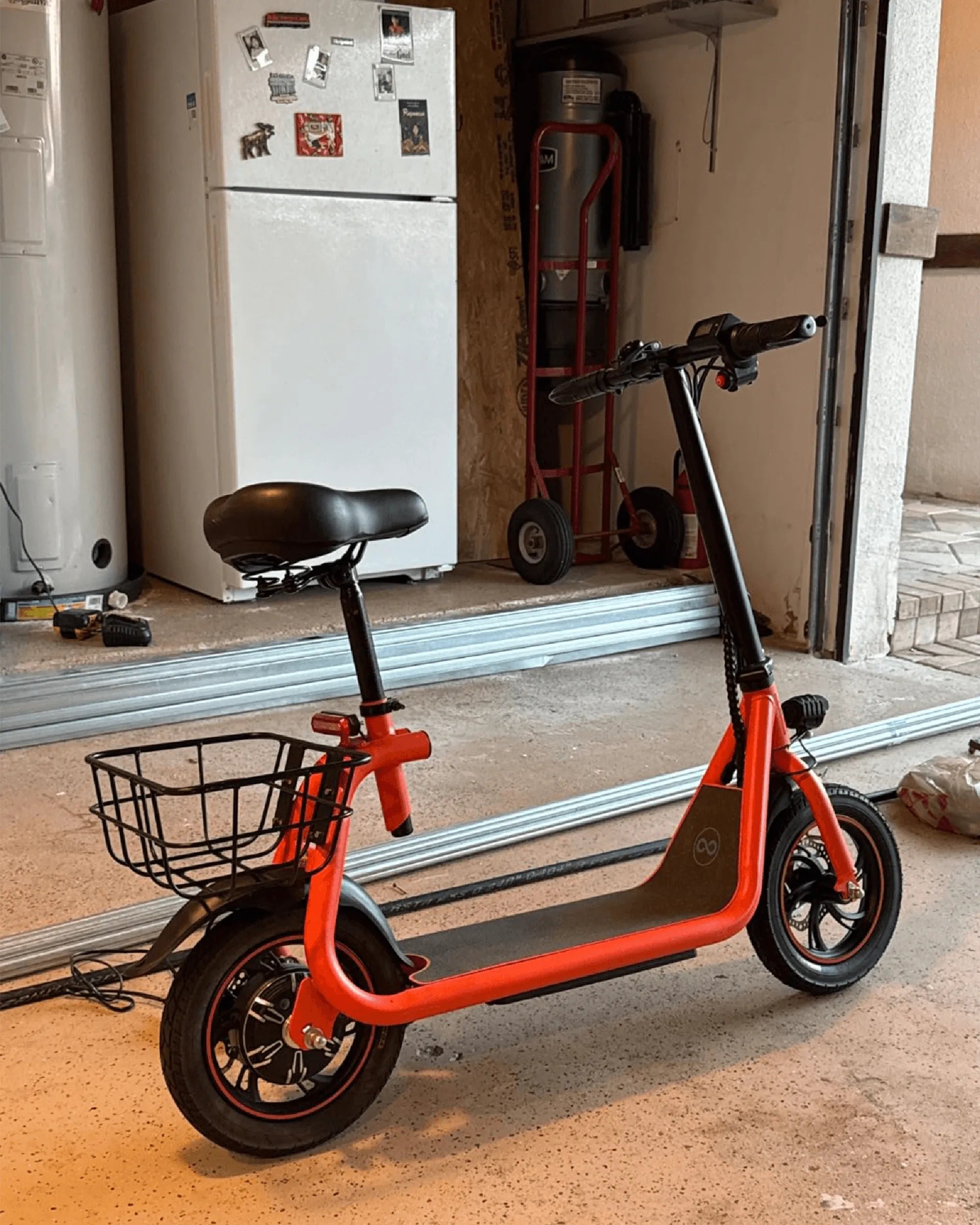
Electric scooters have surged in popularity as a convenient and eco-friendly mode of transportation. But one question often arises: can you drive an electric scooter on the highway? The answer isn’t as straightforward as you might think. From legal restrictions to safety concerns, there’s a lot to consider before taking your e-scooter onto high-speed roads. Let’s dive into the details.
Understanding Electric Scooter Classifications
Not all electric scooters are created equal. Their classification often determines where they can legally operate. Most jurisdictions categorize e-scooters based on their speed, power, and design:
- Low-Speed Electric Scooters: Typically capped at 15-20 mph, these are designed for urban commuting and bike lanes.
- High-Speed Electric Scooters: Some models can reach speeds of 30 mph or more, but they’re still not highway-legal in most areas.
- Electric Mopeds or Motorcycles: These are heavier, faster, and may qualify for highway use if they meet specific requirements.
Highway laws generally require vehicles to maintain a minimum speed, often around 45-55 mph. Most standard e-scooters simply can’t keep up, making them unsafe and illegal for highway travel.
Legal Restrictions on Highway Use
Laws vary by country, state, and even city, but here are some common regulations:
- Speed Limits: Highways have minimum speed requirements that most e-scooters can’t meet.
- Vehicle Registration: In many places, highway-legal vehicles must be registered, insured, and equipped with specific safety features.
- License Requirements: Operating a vehicle on the highway often requires a valid driver’s license, which isn’t always mandatory for e-scooters.
For example, in the U.S., the Department of Transportation (DOT) prohibits electric scooters from interstate highways. Similar rules apply in the EU and other regions. Always check local laws before attempting to ride your e-scooter on high-speed roads.
Safety Concerns of Highway Riding
Even if it were legal, riding an electric scooter on the highway poses significant risks:
- Speed Disparity: Cars and trucks travel at much higher speeds, increasing the risk of collisions.
- Stability Issues: E-scooters have small wheels and lightweight frames, making them unstable at high speeds.
- Lack of Protection: Unlike cars, scooters offer no physical protection in a crash.
Highways are designed for larger, faster vehicles. Mixing slow-moving e-scooters with high-speed traffic is a recipe for disaster.
Alternatives to Highway Riding
If you need to cover long distances, consider these safer alternatives:
- Urban Bike Lanes: Many cities have dedicated lanes for scooters and bicycles.
- Public Transport: Some buses and trains allow e-scooters onboard.
- Ride-Sharing: Combine your scooter ride with a carpool or rideshare service for longer trips.
Planning your route carefully can help you avoid highways altogether while still reaching your destination efficiently.
Future of Electric Scooters and Highways
As technology evolves, so might the rules. Some companies are developing high-performance e-scooters capable of highway speeds. However, regulatory frameworks will need to adapt to accommodate these advancements. For now, though, the answer remains clear: most electric scooters are not highway-legal.
Before you rev up your e-scooter and head for the highway, remember: safety and legality should always come first. Stick to designated paths and enjoy the ride without unnecessary risks.
Health Benefits of Mountain Biking: Why You Should Hit the Trails Today
How Many Hours Does Electric Scooter Battery Last: A Complete Guide