



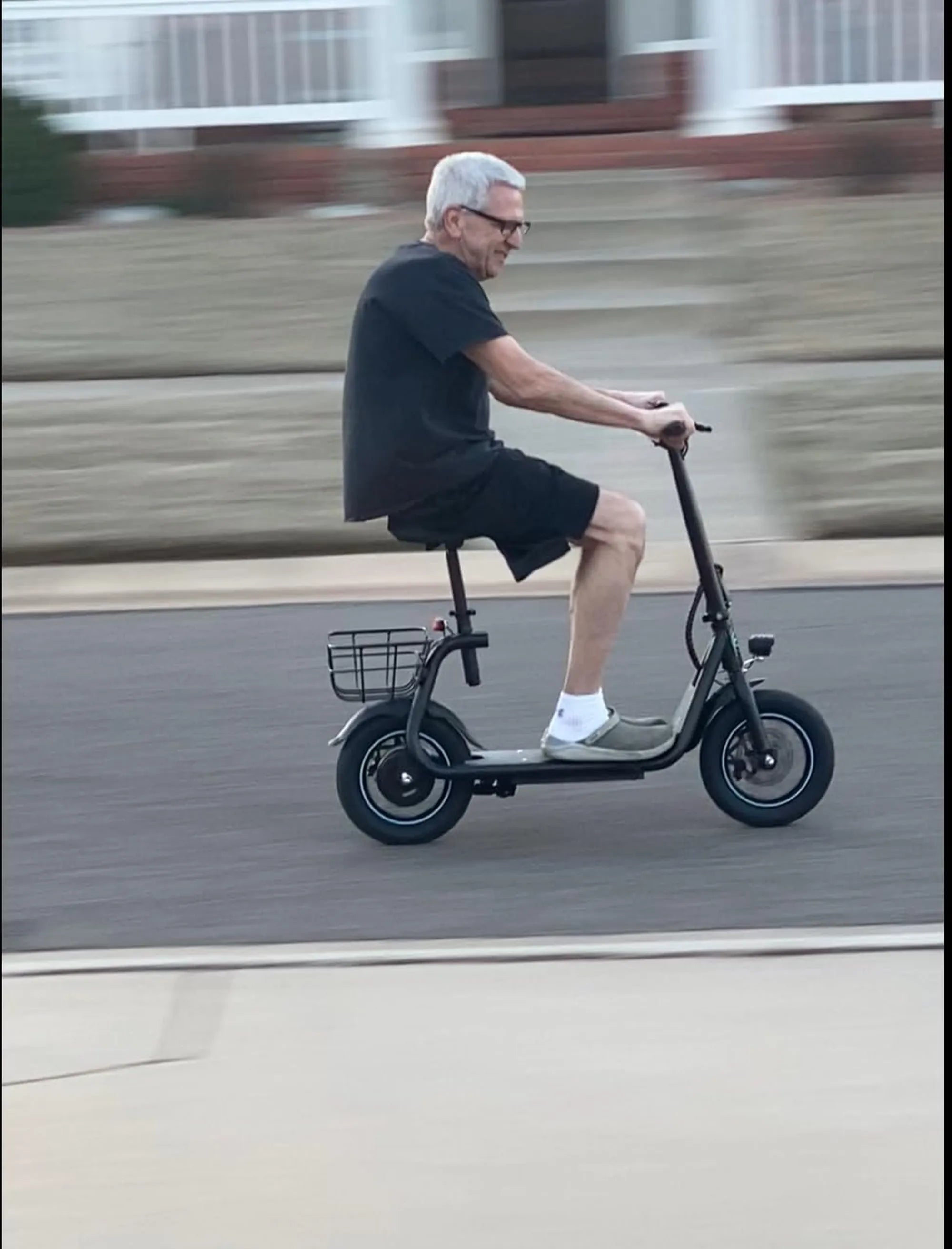
Winter transforms the world into a frosty wonderland, but for electric scooter riders, it also brings a host of challenges. Snow, ice, and freezing temperatures can make even the most routine commute a risky endeavor. So, can you drive an electric scooter in snow? The answer isn't a simple yes or no—it depends on several factors, including your scooter's design, your riding skills, and the conditions you're facing.
Understanding the Challenges of Riding in Snow
Snow and ice create slippery surfaces that reduce traction, making it harder for electric scooters to maintain stability. Unlike cars, scooters have smaller wheels and less weight distribution, which increases the risk of skidding or losing control. Additionally, cold temperatures can affect battery performance, reducing range and power output.
Is Your Electric Scooter Built for Snow?
Not all electric scooters are designed to handle winter conditions. Key features to look for include:
- Wide, Treaded Tires: These provide better grip on slippery surfaces.
- Water and Dust Resistance: A high IP rating ensures protection against snow and slush.
- Powerful Motor: More torque helps navigate through snowdrifts.
- Heavy-Duty Brakes: Reliable stopping power is crucial in icy conditions.
Safety Tips for Riding an Electric Scooter in Snow
If you decide to brave the snow, follow these safety precautions:
- Slow Down: Reduce your speed to maintain control on slippery roads.
- Avoid Sudden Movements: Gradual acceleration and braking prevent skidding.
- Dress Appropriately: Wear insulated, waterproof gear to stay warm and dry.
- Check Battery Levels: Cold weather drains batteries faster, so plan shorter trips.
- Use Lights and Reflectors: Visibility is often poor in winter, making you harder to spot.
Alternatives to Riding in Heavy Snow
If the snow is too deep or the roads are untreated, consider alternative transportation. Public transit, carpooling, or even walking may be safer options until conditions improve. Some riders also switch to studded tires for better traction, though these may not be legal everywhere.
Maintaining Your Electric Scooter in Winter
Winter riding can take a toll on your scooter. To keep it in top shape:
- Clean After Each Ride: Remove snow, salt, and debris to prevent corrosion.
- Store Indoors: Keep your scooter in a dry, temperature-controlled space when not in use.
- Check Tire Pressure: Cold weather can cause tires to lose air more quickly.
Riding an electric scooter in snow is possible, but it requires extra caution and preparation. By understanding the risks and taking the right steps, you can enjoy your scooter year-round—just don't forget to bundle up!
Richfield Utah Mountain Biking: Trails, Tips, and Unforgettable Adventures
How Many Watts Electric Scooter: Understanding Power and Performance