



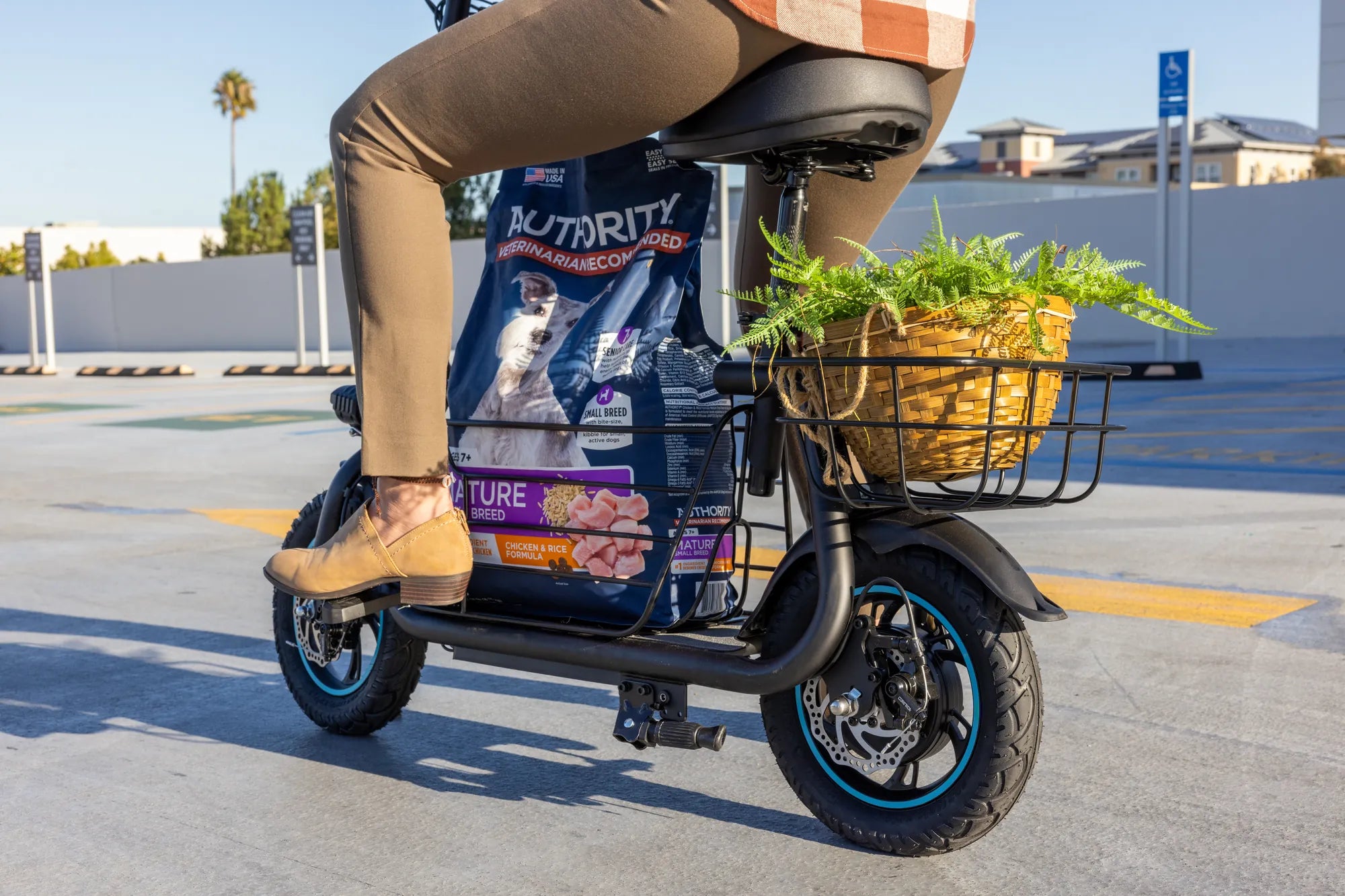
Electric scooters have surged in popularity as a convenient, eco-friendly mode of urban transportation. One of the most critical factors determining an electric scooter's performance is its wattage. But how many watts does an electric scooter need to meet your daily commuting or recreational needs? Let’s dive deep into understanding the role of wattage in electric scooters and how it affects speed, range, and overall efficiency.
What Does Wattage Mean for Electric Scooters?
Wattage refers to the power output of an electric scooter's motor. It directly influences how fast the scooter can accelerate, its top speed, and its ability to handle inclines. Higher wattage generally means better performance, but it also impacts battery life and overall efficiency. Most electric scooters range between 250 watts and 3000 watts, with varying capabilities based on their intended use.
How Many Watts Do You Need?
The ideal wattage for your electric scooter depends on several factors:
- Commuting on Flat Terrain: For smooth city rides with minimal hills, a 250W to 500W scooter is usually sufficient.
- Hilly Areas: If your route includes steep inclines, opt for a 750W to 1000W motor for better climbing power.
- Off-Road or High-Speed Riding: Enthusiasts looking for off-road adventures or higher speeds (above 25 mph) should consider 1500W to 3000W models.
Wattage vs. Speed and Range
Higher wattage doesn’t always mean better range. While a powerful motor can deliver thrilling speeds, it also consumes more battery. For example, a 500W scooter may offer a range of 20-30 miles, whereas a 1000W model might reduce that range due to increased power consumption. Balancing wattage with battery capacity is key to optimizing both speed and distance.
Battery Efficiency and Wattage
Electric scooters rely on lithium-ion batteries, and wattage plays a crucial role in how efficiently energy is used. A lower-wattage motor may be more energy-efficient for short commutes, while a high-wattage motor ensures performance but may drain the battery faster. Always check the battery’s voltage (typically 36V to 72V) and amp-hour (Ah) rating to gauge how long the scooter can sustain its power output.
Legal Considerations
Different regions have varying regulations on electric scooter wattage. In many places, scooters under 750W are classified as low-speed vehicles and don’t require special licensing. However, models exceeding 1000W may fall under stricter regulations, including speed limits and mandatory helmet laws. Always check local laws before purchasing a high-wattage scooter.
Choosing the Right Wattage for Your Needs
To select the perfect electric scooter, consider:
- Your Daily Route: Flat terrains need less wattage, while hilly areas require more power.
- Desired Speed: Higher wattage equals faster acceleration and top speed.
- Battery Life: More power often means shorter rides between charges.
- Budget: High-wattage scooters tend to be pricier due to advanced components.
Whether you’re a daily commuter or an adrenaline-seeking rider, understanding wattage helps you make an informed decision. The right electric scooter isn’t just about raw power—it’s about finding the perfect balance between performance, efficiency, and practicality. Ready to find your ideal ride?
Richfield Utah Mountain Biking: Trails, Tips, and Unforgettable Adventures
Can You Drive Electric Scooter in Snow? Exploring Winter Riding Challenges