



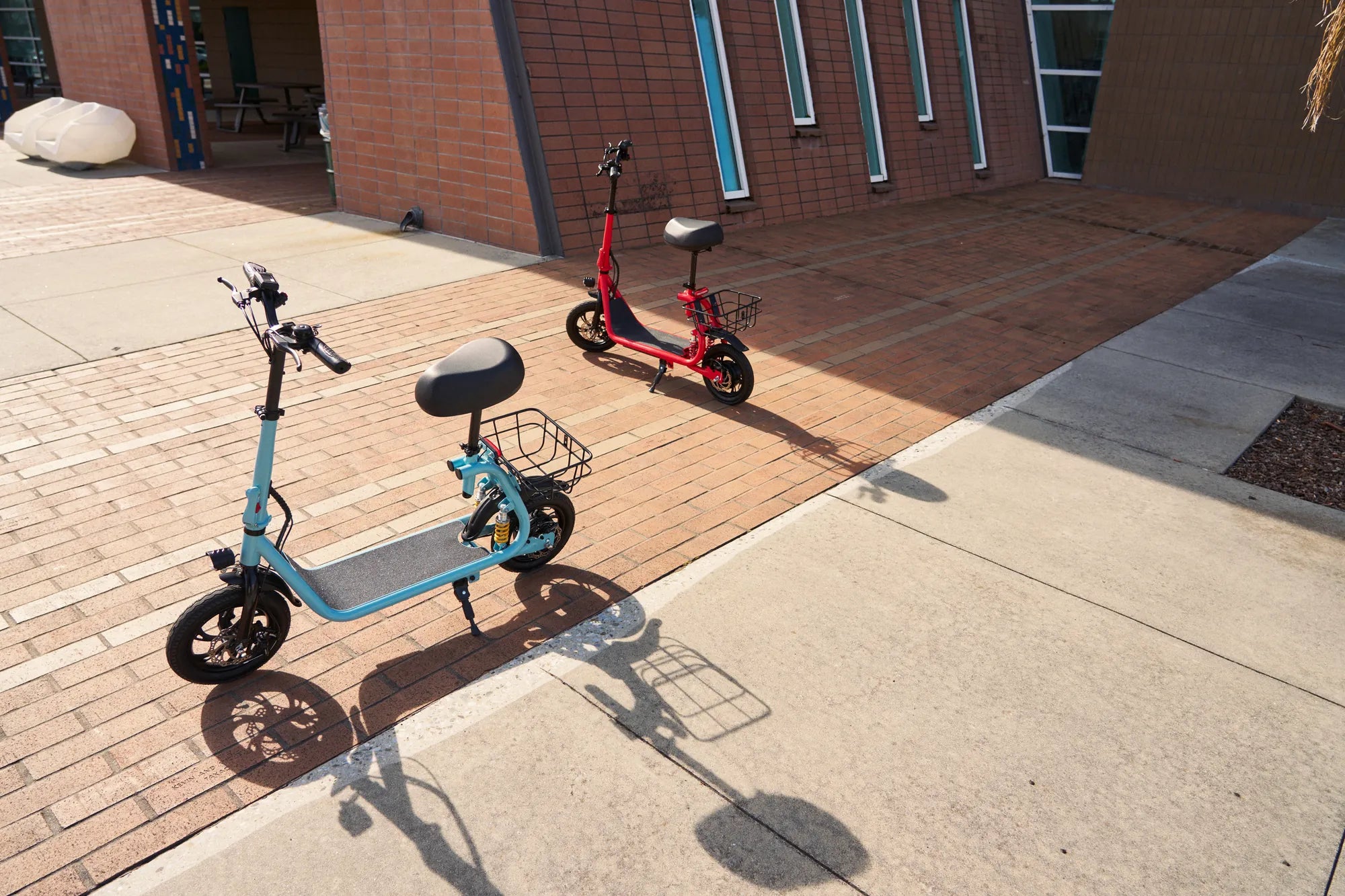
Introduction: Unlocking Savings on Your Electric Commute
You want a faster, greener, and more cost-effective way to get to work. The UK's Cycle to Work Scheme offers a compelling financial incentive, but the burning question for many modern commuters is: can you get electric scooters on the Cycle to Work Scheme? The short, definitive answer is no, but understanding the 'why' opens the door to superior, eligible alternatives that can transform your daily journey.
This article provides a comprehensive exploration of your options. We will demystify the scheme's rules, clarify the critical legal distinction between electric scooters and electric bikes, and guide you through the process of using this valuable employee benefit to access a reliable, electric-assisted vehicle. With rising fuel costs and congestion charges, there has never been a better time to invest in an efficient commute.
Understanding the UK Cycle to Work Scheme: Rules and Scope
The Cycle to Work Scheme is a government-backed salary sacrifice initiative designed to promote healthier commuting and reduce environmental impact. Employees sacrifice a portion of their pre-tax salary to pay for a bicycle and safety equipment, generating savings on Income Tax and National Insurance Contributions.
The scheme is administered by providers like Cyclescheme and the Green Commute Initiative. Employers partner with these providers to offer the benefit. Traditionally, the scheme's scope has been defined around 'cycles,' which has been legally interpreted to include vehicles that are pedal-powered and road-legal.
The Official Stance on E-Scooters and the Scheme
The core issue is one of legality. For a vehicle to be eligible for the Cycle to Work Scheme, it must be legal for use on public roads and cycle paths. Privately owned electric scooters currently fall foul of the 1835 Highways Act and the 1988 Road Traffic Act, making their use on public land illegal.
This legal prohibition directly disqualifies them from the government-sanctioned scheme. The scheme's terms are built around encouraging lawful, sustainable transport. Therefore, despite their popularity, private e-scooters cannot be purchased through this tax-efficient channel. Their inclusion would require a change in primary legislation.
Eligible Alternatives: E-Bikes and Other Green Commute Options
While the door is closed to e-scooters, it is wide open for other forms of electric micro-mobility. The primary and most powerful alternative is the Electrically Assisted Pedal Cycle (EAPC), commonly known as an electric bike. EAPCs are fully recognised, regulated, and legal for road use, making them the perfect candidate for the Cycle to Work Scheme.
Beyond the standard e-bike, some scheme providers may extend eligibility to other niche green transport solutions. It is always essential to check with your specific employer and scheme administrator, but possibilities can include cargo bikes for transporting goods or children, adapted cycles for riders with disabilities, and under certain specific schemes, even low-powered electric mopeds (classified as L1e-A).
Why an Electric Bike is Your Best Scheme-Compatible Choice
Choosing an e-bike through the Cycle to Work Scheme is not a compromise; it's an upgrade. E-bikes offer significant advantages over traditional scooters for the commuter. They provide pedal-assist up to 15.5mph, making light work of hills and headwinds, and typically offer a much greater range—often 30-50 miles on a single charge—than most consumer e-scooters.
You gain the same financial benefits of salary sacrifice while investing in a vehicle designed for longer, more comfortable, and legally compliant journeys. Brands like Gyroor design e-bikes with the commuter in mind, featuring UL-certified batteries for safety, integrated lighting, and robust frames. The pedal-assist function also means you still get valuable physical activity, blending the benefits of cycling with the ease of electric power.
Other Potential Scheme-Eligible Transport
For those with specific needs, the scheme's flexibility can be surprising. Cargo bikes are increasingly included, recognising their role in replacing car trips for school runs or shopping. Some providers also cater to inclusive cycling through adapted cycles.
The key takeaway is to not assume. If your ideal commuter vehicle isn't a standard bicycle or e-bike, consult your scheme's official list of eligible equipment. Provide the exact model and specifications to your employer or scheme administrator for written confirmation of eligibility before proceeding.
Navigating the Purchase: A Step-by-Step Guide for E-Bikes
Using the Cycle to Work Scheme for an e-bike is a straightforward process. First, confirm your employer participates in a scheme. Then, request a 'quote' or 'certificate' from the scheme provider, typically via an online portal. This certificate will have a value limit, usually between £1,000 and £3,000, though some schemes go higher.
Next, take your certificate to a participating retailer. This is where you can explore models from leading brands like Gyroor, known for their reliable, UL-certified e-bikes. Choose your e-bike and any eligible accessories (helmets, locks, panniers). The retailer will redeem the certificate, and your employer will arrange the salary sacrifice deductions over the chosen hire period (usually 12-18 months).
Maximising Value and Ensuring Compliance
To maximise value, select a certificate amount that covers the e-bike and essential safety accessories. Prioritise retailers that offer a wide selection and expert advice. Ensure any e-bike you choose is fully UK-compliant: a 250W motor (or less), pedal assistance that cuts out at 15.5mph, and functional pedals.
Critical factors for a dependable commute include battery warranty and build quality. Gyroor e-bikes, for example, come with a 1-year comprehensive warranty and feature IPX5 water-resistant designs, ensuring reliability in all weather conditions. Investing in a quality e-bike through the scheme means you're getting a vehicle built to last, with the safety and support to match.
The Future of E-Scooters and Commuter Schemes
The landscape of urban mobility is evolving. The UK government has been running trials of rental e-scooters in selected towns and cities to gather data on safety and integration. These trials are separate from the legal status of private e-scooters and do not currently impact the Cycle to Work Scheme.
Should future legislation change to legalise privately owned e-scooters for use on public roads, it is conceivable that salary sacrifice schemes like Cycle to Work could be expanded to include them. However, this is speculative and would require explicit changes to scheme rules. For the foreseeable future, the focus for tax-efficient commuter savings remains firmly on legal, road-ready vehicles like e-bikes.
Direct Comparison: E-Bike vs. E-Scooter for Commuting
The table below highlights the key differences between a typical commuter e-bike and a private e-scooter in the context of the UK Cycle to Work Scheme and daily use.
| Feature | Electric Bike (EAPC) | Private Electric Scooter |
|---|---|---|
| Cycle to Work Eligibility | Yes - Fully compliant and encouraged. | No - Excluded due to legal status. |
| Legal Status on Public Roads | Fully Legal - Treated as a bicycle. | Illegal - Only usable on private land. |
| Typical Commute Range | 30-50+ miles | 15-25 miles |
| Terrain & Hill Handling | Excellent - Pedal-assist tackles steep hills. | Moderate to Poor - Struggles on steep inclines. |
| Physical Activity | Yes - Pedal-assist promotes exercise. | Minimal - Primarily standing. |
| Storage & Portability | Larger - May require secure bike storage. | Compact - Often foldable for easy carrying. |
| Weather & Road Stability | High - Larger wheels handle potholes and wet conditions better. | Lower - Small wheels are more vulnerable to road imperfections. |
FAQ: Your Cycle to Work Scheme Questions Answered
Q: Can I get a private e-scooter on the Cycle to Work Scheme?
A: No. Privately owned electric scooters are not legal for use on public roads, pavements, or cycle paths in the UK. This legal prohibition makes them ineligible for the government-backed Cycle to Work Scheme, which is designed for road-legal vehicles.
Q: What's the difference between an e-scooter and an e-bike for the scheme?
A: The difference is legal and mechanical. An e-bike (EAPC) has functional pedals, provides assistance only when you pedal, and is limited to 15.5mph. It is classified as a bicycle and is fully road-legal. An e-scooter has no pedals, is powered solely by a throttle or kick-start, and is not currently a legal vehicle for public road use, thus excluding it from the scheme.
Q: Can I use the scheme for a Gyroor electric bike?
A: Yes, provided your chosen Cycle to Work Scheme provider lists a retailer that stocks Gyroor e-bikes, or if your employer uses a voucher-based scheme that allows you to shop at a wider range of stores. Always check the retailer list provided by your scheme administrator first.
Q: What are the main benefits of using the scheme for an e-bike?
A: The benefits are substantial. You save 25-42% on the cost through income tax and National Insurance savings. The cost is spread over 12-18 months via salary sacrifice, making a higher-quality e-bike more affordable. It's a direct investment in a faster, greener, and healthier commute.
Q: What happens at the end of the salary sacrifice period?
A: At the end of the hire period, you will usually be offered the chance to keep the bike. Providers often offer a small, one-off payment or a further extended hire period for a nominal fee to transfer ownership. The exact terms will be set out in your agreement.
Conclusion: Investing in a Smarter, Greener Commute
While the current rules mean you cannot get electric scooters on the Cycle to Work Scheme, this should not deter you from revolutionising your commute. The scheme remains a powerful tool to access a superior form of electric transport: the electric bike. By opting for a compliant, reliable e-bike, you secure significant financial savings, ensure full legal compliance, and invest in a vehicle built for real-world commuting—with greater range, stability, and versatility.
Brands like Gyroor exemplify the quality available, offering e-bikes with safety-certified batteries, weather-resistant builds, and robust warranties trusted by over 100,000 riders. Don't let the e-scooter dead-end stop your journey toward an efficient commute. Explore the eligible, high-performance alternatives that can make your daily travel faster, cheaper, and more enjoyable. Browse the full Gyroor collection at gyroorboard.com to find the perfect e-bike for your Cycle to Work journey.
Does San Francisco Have Electric Scooters? A Deep Dive into SF's Micromobility
Mopeds & Scooters: The Ultimate Guide to Electric Scooter Sales