



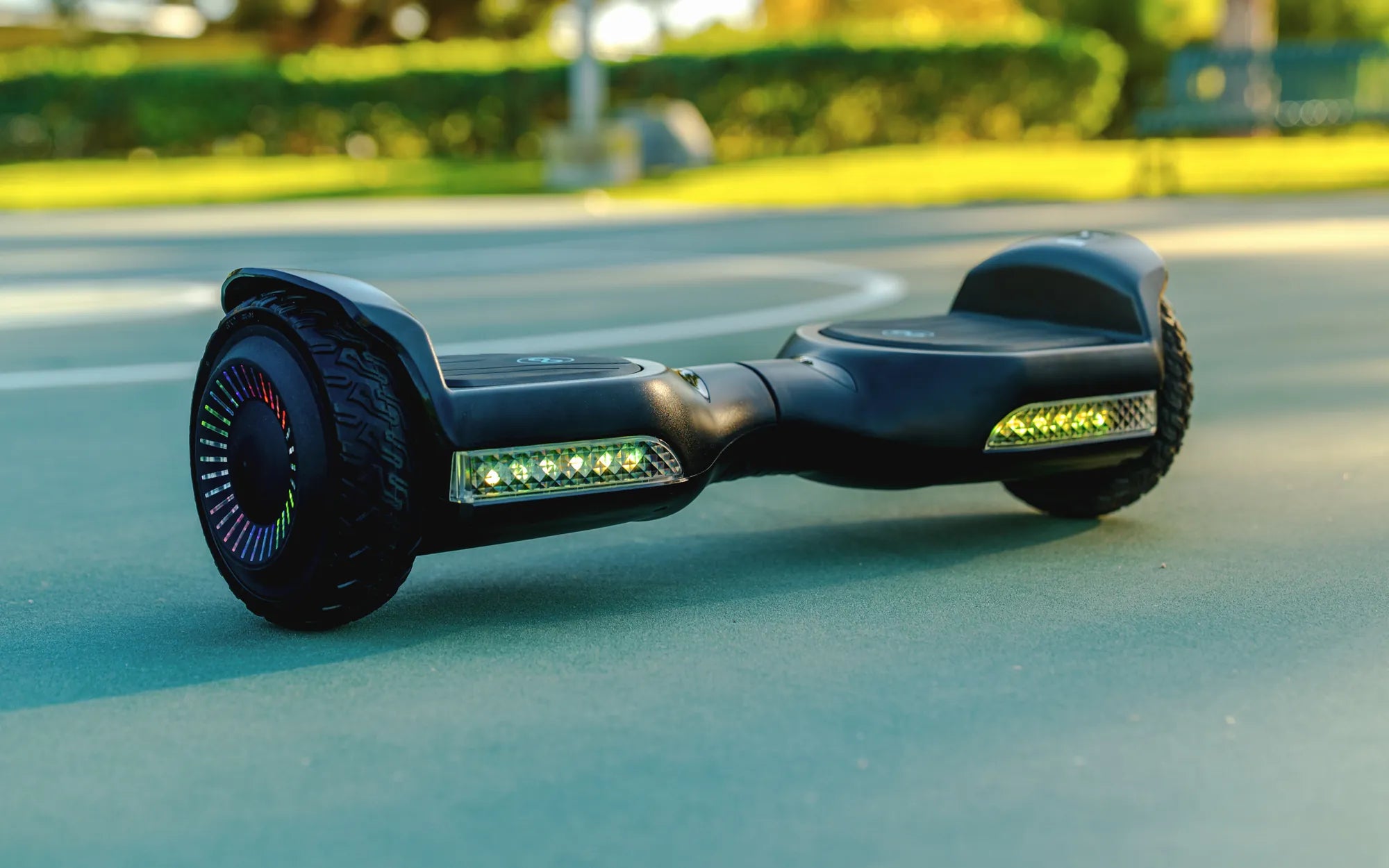
Hoverboards have taken the world by storm, offering a futuristic way to glide effortlessly across smooth surfaces. But what happens when you venture off the beaten path? Can you ride hoverboards on gravel, or are you destined to stick to sidewalks and pavements? Let’s dive into the world of off-road hoverboarding and find out.
Understanding Hoverboard Terrain Limitations
Hoverboards are designed with specific terrain types in mind. Most standard models are optimized for flat, smooth surfaces like concrete, tile, or hardwood floors. Gravel, on the other hand, presents a unique set of challenges. The uneven, loose surface can make balancing difficult and may even damage the device if not handled properly.
Why Gravel Is a Challenge for Hoverboards
Gravel surfaces are unpredictable. The small, shifting stones can cause instability, making it harder to maintain balance. Additionally, the rough texture can wear down the hoverboard’s tires faster than smooth surfaces. Here’s why gravel is particularly tricky:
- Uneven Surface: Gravel is rarely flat, causing the hoverboard to tilt unexpectedly.
- Loose Stones: Moving stones can slip under the wheels, leading to sudden stops or falls.
- Reduced Traction: The lack of grip on gravel makes it harder to control speed and direction.
Can You Ride Hoverboards on Gravel? The Short Answer
Yes, but with caution. While standard hoverboards aren’t ideal for gravel, some models are built with off-road capabilities. These typically feature larger, more durable tires and enhanced stability systems. However, even with an off-road hoverboard, riding on gravel requires skill and careful maneuvering.
Tips for Riding a Hoverboard on Gravel
If you’re determined to take your hoverboard onto gravel, follow these tips to minimize risks and maximize enjoyment:
- Choose the Right Hoverboard: Opt for an off-road model with larger, air-filled tires for better shock absorption.
- Start Slow: Practice on smooth surfaces first, then gradually transition to gravel to build confidence.
- Maintain Balance: Keep your weight centered and avoid sudden movements to prevent tipping.
- Wear Protective Gear: Helmets, knee pads, and elbow pads are essential to prevent injuries.
- Inspect the Terrain: Avoid large rocks or deep gravel patches that could destabilize the board.
The Risks of Riding on Gravel
While it’s possible to ride a hoverboard on gravel, there are inherent risks. The uneven surface increases the likelihood of falls, and the rough terrain can accelerate wear and tear on the device. Additionally, gravel can get lodged in the wheels or motor, potentially causing damage over time.
Alternatives to Gravel Riding
If gravel proves too challenging, consider these alternatives for off-road hoverboarding:
- Grass: Short, even grass can be easier to navigate than gravel.
- Dirt Trails: Packed dirt paths offer a smoother ride with fewer obstacles.
- Sand: While tricky, some off-road hoverboards handle sandy surfaces well.
Final Thoughts on Hoverboarding on Gravel
Riding a hoverboard on gravel is possible, but it’s not for the faint of heart. With the right equipment, practice, and precautions, you can conquer rough terrain and expand your hoverboarding horizons. Ready to take the plunge? Grab your gear, find a safe spot, and start exploring the world beyond smooth pavements!
8 Inch Hoverboard Replacement Shell: A Complete Guide to Upgrading Your Ride
6.5 Inch White Hoverboard: The Ultimate Guide to Stylish and Compact Personal Transportation