



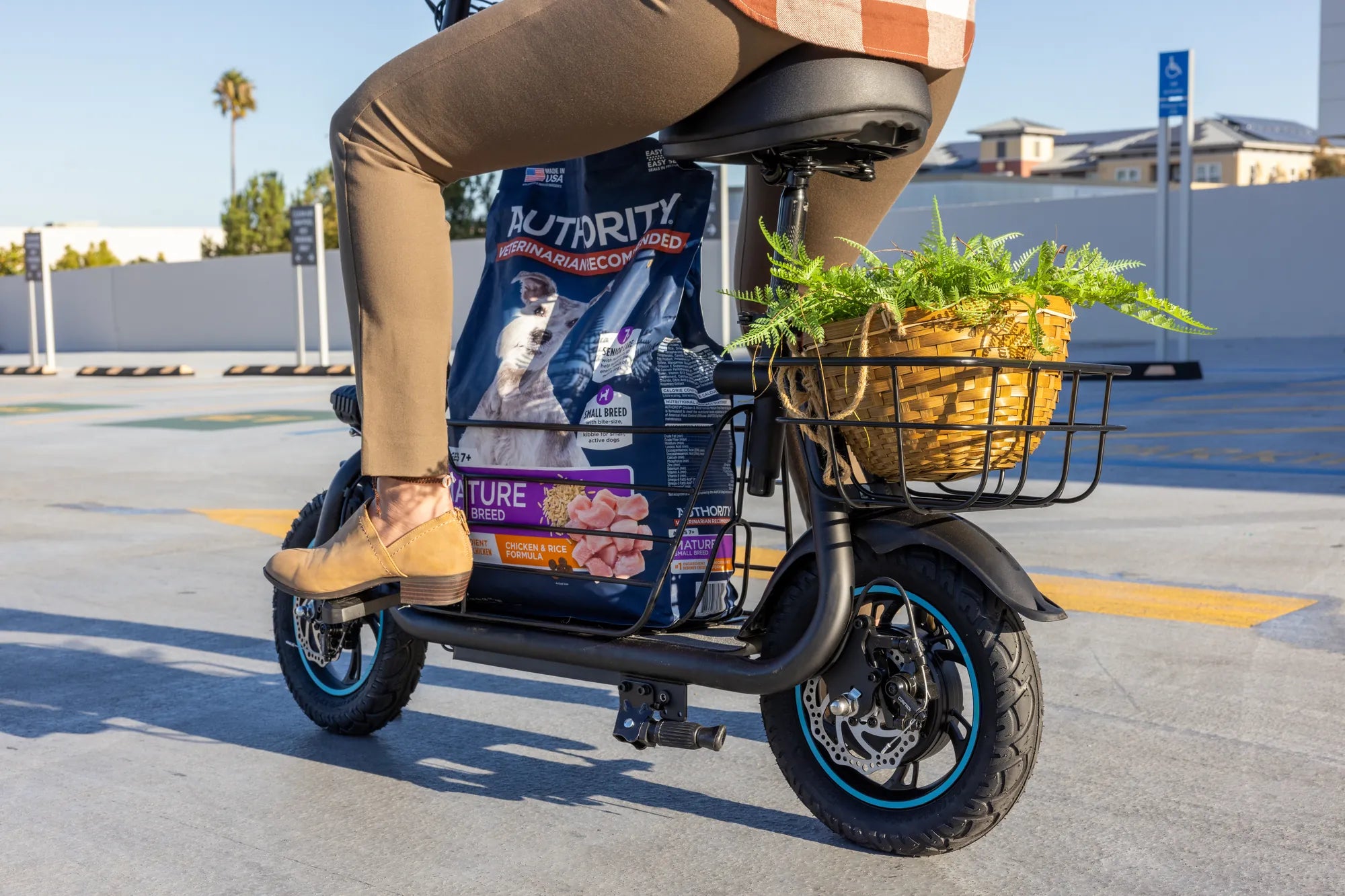
Electric bikes and scooters have surged in popularity as eco-friendly, efficient alternatives to traditional transportation. But one question lingers for many riders: Can you use electric powered bikes or scooters on cycle paths? The answer isn’t always straightforward, as regulations vary by location, vehicle type, and local laws. Whether you’re a daily commuter or a weekend rider, understanding where you can legally ride is crucial for safety and compliance.
Understanding Electric Bikes and Scooters
Before diving into where these vehicles are permitted, it’s essential to distinguish between electric bikes (e-bikes) and electric scooters (e-scooters).
Electric Bikes (E-Bikes)
E-bikes are bicycles equipped with an electric motor that assists pedaling. They typically fall into three categories:
- Class 1: Pedal-assist only, with no throttle, and a maximum speed of 20 mph.
- Class 2: Throttle-assisted, with a maximum speed of 20 mph.
- Class 3: Pedal-assist only, with a maximum speed of 28 mph.
Electric Scooters (E-Scooters)
E-scooters are stand-up vehicles powered by an electric motor, often with handlebars and a small platform for the rider. Their legality on cycle paths is more contentious, as they are not always classified similarly to bicycles.
Are E-Bikes Allowed on Cycle Paths?
In many regions, e-bikes are treated similarly to traditional bicycles, provided they meet specific criteria. Here’s what you need to know:
United States
In the U.S., federal law classifies e-bikes as bicycles if they meet the following conditions:
- Have a motor with less than 750 watts (1 horsepower).
- Do not exceed 20 mph on motor power alone.
However, state and local laws may impose additional restrictions. For example:
- Some states allow all e-bike classes on cycle paths.
- Others restrict Class 3 e-bikes to roads or require helmets.
United Kingdom
In the UK, e-bikes (known as electrically assisted pedal cycles or EAPCs) are allowed on cycle paths if:
- The motor has a maximum power of 250 watts.
- The bike does not assist beyond 15.5 mph.
Throttle-operated e-bikes are subject to stricter regulations and may not be permitted on cycle paths.
European Union
EU regulations align closely with the UK, allowing e-bikes with a 250W motor and a 15.5 mph speed limit on cycle paths. Faster models may require registration and insurance.
Are E-Scooters Allowed on Cycle Paths?
E-scooter laws are more fragmented, with many countries still adapting to their rapid rise in popularity.
United States
Most U.S. states treat e-scooters similarly to bicycles, permitting them on cycle paths if they meet speed and power limits. However:
- Some cities ban them entirely.
- Others restrict them to roads or sidewalks.
United Kingdom
Privately owned e-scooters are currently illegal on public roads and cycle paths in the UK. Only rental scooters in approved trial areas are permitted.
European Union
Many EU countries allow e-scooters on cycle paths, but speed limits (usually 12-15 mph) and helmet requirements often apply.
Safety Considerations
Even where electric bikes and scooters are permitted, riders must prioritize safety:
- Wear a helmet, even if not legally required.
- Observe speed limits to avoid collisions with pedestrians or cyclists.
- Use lights and reflective gear when riding at night.
Future of Electric Mobility on Cycle Paths
As cities embrace greener transportation, regulations are evolving. Advocacy groups are pushing for clearer laws to accommodate e-bikes and scooters while ensuring safety for all path users.
Whether you’re zipping through the city on an e-bike or testing out an e-scooter, knowing the rules ensures a smooth, legal ride. Stay informed, ride responsibly, and enjoy the freedom of electric mobility—wherever the path takes you.
Intelligent Electric Scooters: The Future of Urban Mobility
E Scooter 18 MPH: The Ultimate Guide to Speed, Safety, and Efficiency