



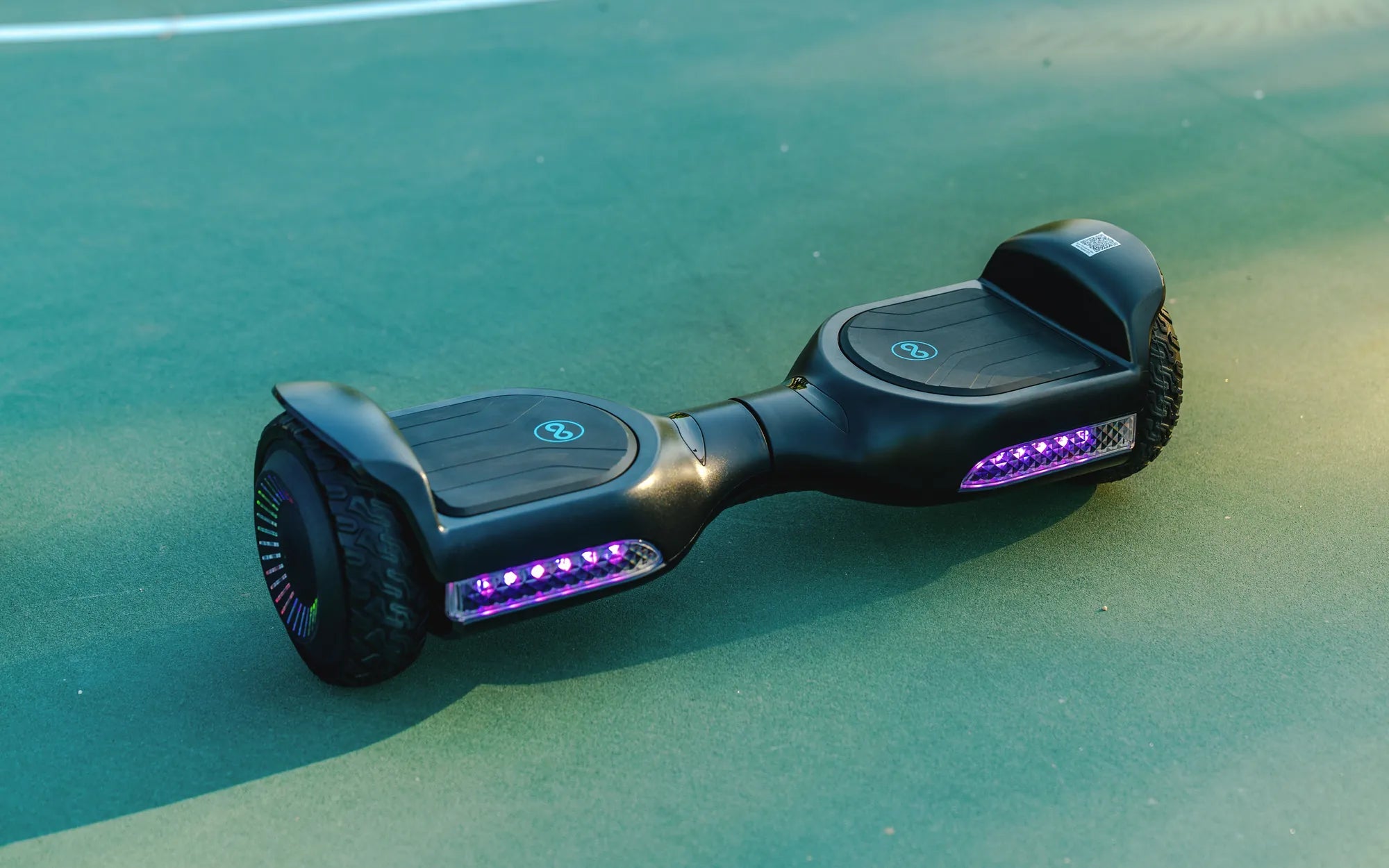
Hoverboards have taken the world by storm, but riders are noticing something missing in the latest models: the ability to boost. If you've recently upgraded your hoverboard only to find it lacks the thrilling speed burst you loved, you're not alone. Here's why manufacturers are dialing back on this feature and what it means for the future of personal transportation.
The Rise and Fall of the Hoverboard Boost
Early hoverboard models often included a 'boost' function that allowed riders to temporarily increase their speed with a quick button press or foot motion. This feature became a favorite among enthusiasts who enjoyed the adrenaline rush of sudden acceleration. However, as hoverboards grew in popularity, so did concerns about safety and regulation.
Safety Regulations Take Priority
Government agencies worldwide have implemented stricter guidelines for personal electric vehicles following numerous reports of hoverboard-related accidents. The boost feature was particularly problematic because:
- It encouraged riders to exceed safe speed limits
- Sudden acceleration could lead to loss of balance
- Boosted speeds made it harder to stop quickly in emergencies
Engineering Challenges Behind the Boost
Beyond regulatory concerns, hoverboard manufacturers faced technical limitations when implementing boost features:
| Challenge | Explanation |
|---|---|
| Battery Drain | Boost functions dramatically reduced battery life per charge |
| Motor Stress | Sudden power surges could damage motors over time |
| Heat Buildup | Extra power generated excessive heat in compact designs |
The Performance Trade-Off
Without boost capabilities, modern hoverboards can focus on delivering:
- More consistent speeds
- Longer battery life
- Smoother acceleration curves
- Improved overall reliability
What This Means for Hoverboard Enthusiasts
While some riders miss the excitement of a speed boost, the current generation of hoverboards offers significant advantages in terms of safety and ride quality. Manufacturers are now focusing on:
- Enhanced stability systems
- More intuitive controls
- Better weight distribution
- Advanced battery technology
The Future of Personal Mobility
As hoverboard technology continues to evolve, we may see new innovations that deliver excitement without compromising safety. Some possibilities include:
- Adaptive speed controls that adjust to riding conditions
- AI-assisted balance systems
- Regenerative braking that extends range
The hoverboard revolution isn't slowing down - it's just getting smarter. While you might not be able to boost on the latest models, you're getting a safer, more reliable ride that could open up new possibilities for personal transportation. The next generation of hoverboards might just surprise us with innovations we haven't even imagined yet.
Cheap Slow Black Hoverboard: The Ultimate Guide for Budget Riders
Can I Put Air in My Hoverboard Tires? A Complete Guide to Hoverboard Tire Maintenance