

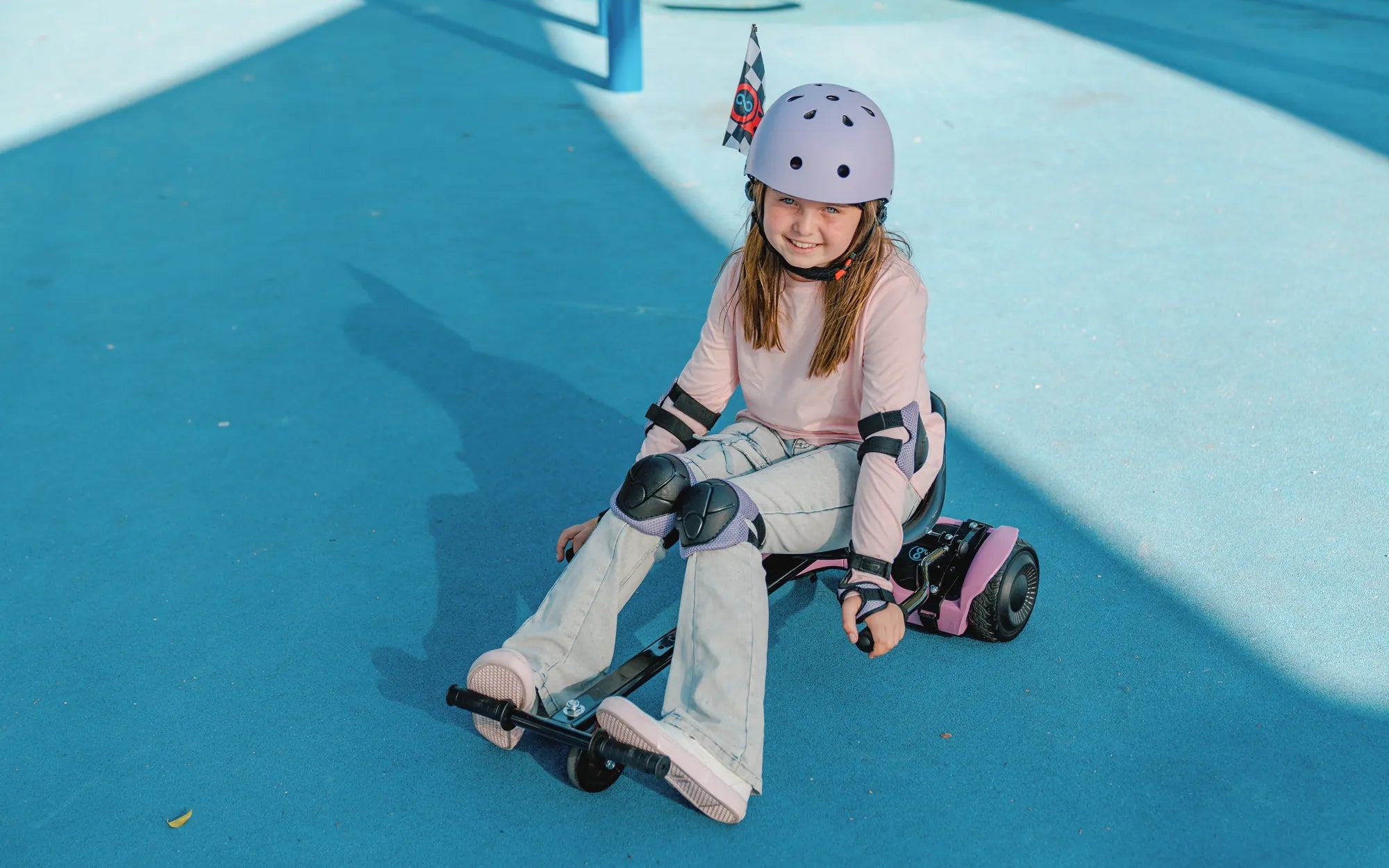
Imagine a world where mobility limitations no longer confine you to a wheelchair or crutches. For those who cant walk but can ride a hoverboard, this futuristic vision is becoming a reality. Hoverboards, once seen as mere recreational gadgets, are now emerging as life-changing tools for individuals with mobility challenges. This article explores how this innovative technology is transforming lives and what it means for the future of accessibility.
The Rise of Hoverboards as Mobility Aids
Hoverboards, also known as self-balancing scooters, have gained popularity over the past decade. Initially marketed as fun toys for tech enthusiasts, their potential for aiding those with mobility impairments has only recently been recognized. Unlike traditional wheelchairs, hoverboards offer a unique combination of agility, speed, and ease of use, making them an attractive alternative for individuals who cant walk but can ride.
The mechanics of a hoverboard are surprisingly simple yet effective. By shifting body weight, riders can control speed and direction effortlessly. For someone with limited lower-body mobility, this intuitive control system can be a game-changer. No longer reliant on manual propulsion or bulky equipment, users can navigate spaces with unprecedented freedom.
Benefits of Hoverboards for Mobility-Impaired Individuals
For those who cant walk but can ride a hoverboard, the benefits are immense. Here are some of the key advantages:
- Independence: Hoverboards empower users to move freely without assistance, fostering a sense of autonomy.
- Portability: Unlike wheelchairs, hoverboards are lightweight and compact, making them easy to transport and store.
- Versatility: They can be used indoors and outdoors, on smooth surfaces and even moderately rough terrain.
- Mental Health Boost: Regaining mobility can significantly improve self-esteem and reduce feelings of isolation.
Challenges and Considerations
While hoverboards offer exciting possibilities, they are not without challenges. Safety is a primary concern, especially for users with balance issues. Falls can result in serious injuries, so proper training and protective gear are essential. Additionally, not all hoverboards are designed with accessibility in mind. Features like sturdy footplates, ergonomic designs, and enhanced stability are critical for mobility-impaired riders.
Another consideration is cost. High-quality hoverboards with advanced safety features can be expensive, and insurance coverage is often limited. However, as demand grows, more affordable and specialized models are likely to emerge.
The Future of Hoverboard Mobility
The potential for hoverboards to revolutionize mobility is vast. Researchers and developers are already working on models tailored specifically for individuals who cant walk but can ride. Innovations such as AI-assisted balance control, customizable speed settings, and adaptive designs are on the horizon. These advancements could make hoverboards a mainstream mobility aid, bridging the gap between disability and independence.
Public spaces are also beginning to adapt. Some cities are exploring hoverboard-friendly infrastructure, such as ramps and charging stations, to accommodate this new form of transportation. As awareness grows, so too will the opportunities for inclusivity.
For those who cant walk but can ride a hoverboard, the future looks brighter than ever. This cutting-edge technology is not just about getting from point A to point B—its about reclaiming freedom, confidence, and the joy of movement. The hoverboard revolution is here, and its changing lives one ride at a time.
Do Hoverboards Pick Up Dust When Indoors? The Surprising Truth
Gold Hoverboards: The Ultimate Guide to Luxury and Performance