



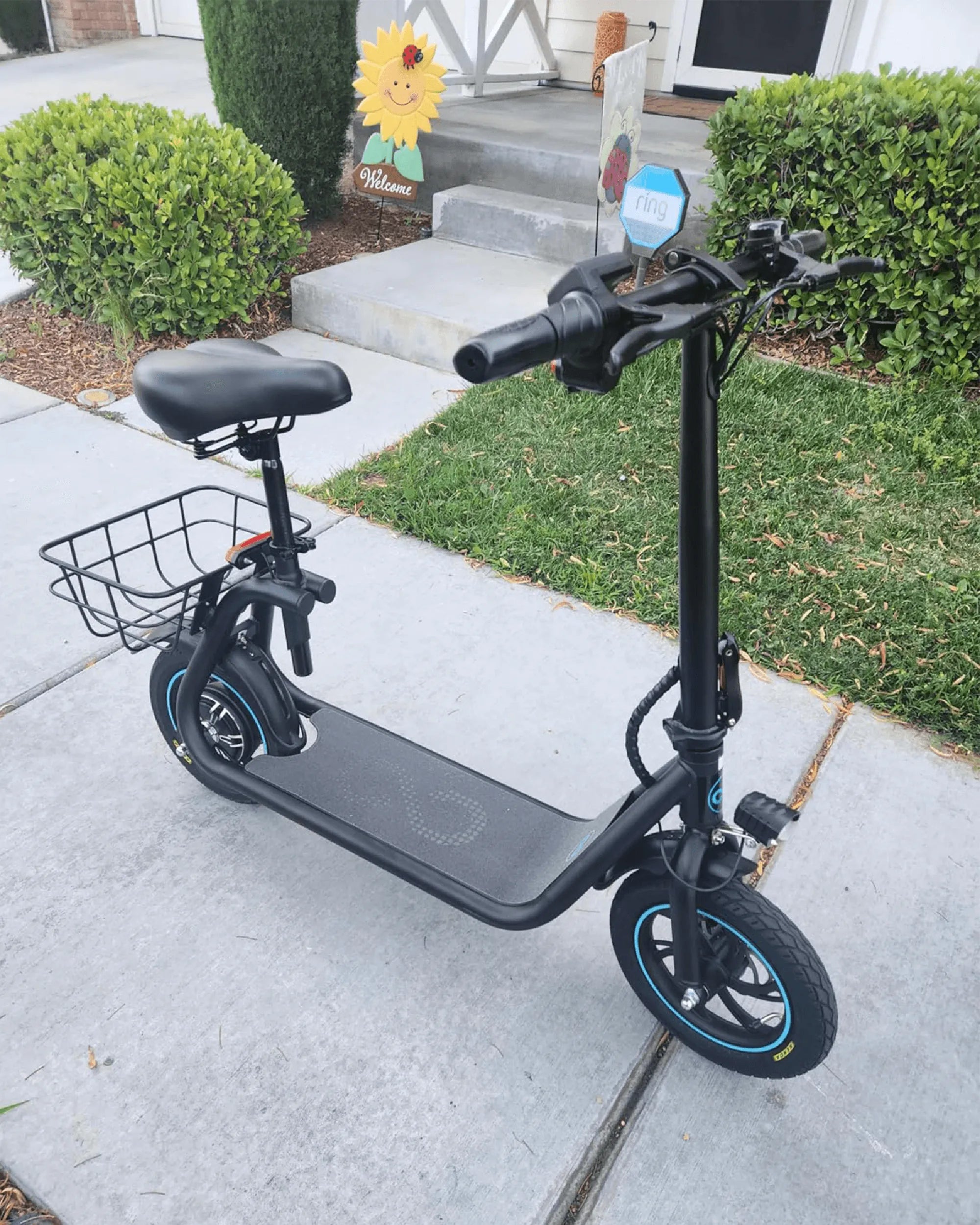
Introduction: The Quest for Affordable Urban Mobility
The search for a cost-effective, efficient way to navigate urban environments has led many to electric scooters. For first-time buyers, students, or budget-conscious commuters, the sub-$300 price point represents a critical entry threshold. This segment promises to deliver the core benefits of electric mobility—avoiding traffic, reducing transport costs, and offering convenience—without a significant upfront investment.
However, the market for cheap electric scooters under $300 is vast and varied, ranging from unreliable, potentially hazardous models to thoughtfully engineered options. The key is understanding what genuine value looks like at this price. It's not just about the lowest cost; it's about how a brand allocates its budget to prioritize rider safety, battery integrity, and fundamental durability.
Brands like Gyroor have demonstrated that it is possible to offer affordable and efficient commuting solutions without compromising on certified safety standards. With over 100,000 riders globally, Gyroor focuses on core engineering principles, even in its most accessible models, proving that affordability and reliability can coexist when safety is non-negotiable.
What to Realistically Expect from a Sub-$300 Electric Scooter
Setting accurate expectations is the first step toward a satisfying purchase. An electric scooter under $300 is designed for specific, practical use cases: short-distance commuting (typically 3-6 miles one-way), campus travel, or last-mile connections from public transit. Performance specifications in this category are modest but functional for flat, urban terrain.
You can generally expect a top speed between 15-18 mph, a motor rated from 250W to 350W, and a manufacturer-stated range of 10-15 miles per charge. Real-world range, however, is heavily influenced by rider weight, terrain, temperature, and riding style, often resulting in 7-12 miles of practical use. Build materials are predominantly aluminum alloy for the frame and deck, balancing strength and weight.
Features like advanced suspension, full-color digital displays, or extensive app connectivity are typically absent to meet this price point. The focus is on delivering a reliable mechanical core: a durable motor, a fundamental braking system (often a rear disc or e-brake), and essential lighting. Understanding these parameters helps you filter out unrealistic marketing claims and focus on scooters that deliver honest performance for cheap electric scooters under $300.
Key Features That Matter (And Which to Prioritize)
When budget is constrained, prioritizing features that impact safety and longevity is crucial. The battery is the most critical component. Insist on models that use brand-name or UL-certified battery cells. Gyroor, for instance, equips all its models with UL-certified battery packs tested for over 500 charge cycles, a vital safeguard against fire risk and premature failure.
Next, consider the braking system. A reliable rear mechanical disc brake or a robust electronic brake is essential for safe stopping, especially at the scooter's maximum speed. Weight capacity is another non-negotiable; ensure the scooter's rated limit (usually 220-265 lbs) comfortably exceeds your weight for durability. Finally, good quality solid or pneumatic tires and basic LED lights for visibility are more important than aesthetic add-ons.
Understanding the Trade-offs: Cost vs. Longevity
The lower price of cheap electric scooters under $300 is achieved through calculated engineering choices. One common trade-off is the battery size and quality. A smaller, generic battery reduces cost but also limits range and may degrade faster. Opting for a scooter with a reputable battery brand, even if it means a slightly lower watt-hour rating, is a wiser long-term investment.
Another area is the motor. A 250W motor is sufficient for flat ground but will struggle on inclines. Suspension is often minimal or absent, meaning ride comfort on rough pavement depends largely on tire type. Pneumatic (air-filled) tires offer better shock absorption than solid ones but require maintenance. Recognizing these trade-offs allows you to align your purchase with your primary use case, ensuring the scooter's limitations don't become daily frustrations.
Top Considerations Before Buying a Budget E-Scooter
Purchasing a budget scooter requires a practical evaluation beyond just specs. First, clearly define your primary use case. Calculate your daily round-trip distance and assess the terrain—are there any significant hills? This will directly inform the motor power and battery capacity you need.
Second, research local laws and regulations. Many cities have specific rules regarding where you can ride (bike lanes vs. sidewalks), maximum speed limits, and whether helmets are mandatory. Third, consider portability. If you need to carry the scooter onto a bus or into an office, its folded dimensions and weight (typically 26-33 lbs in this range) are critical factors.
Finally, and most importantly, investigate the brand's after-sales support. A low price means little if there's no recourse when something fails. Look for clear warranty terms, accessible customer service, and the availability of replacement parts like tires, brakes, and chargers.
The Importance of Warranty and Water Resistance
A comprehensive warranty is your primary protection against manufacturing defects and a strong indicator of a brand's confidence in its product. Gyroor offers a 1-year warranty on its scooters, covering key components like the motor, battery, and controller. This is a significant value proposition in the sub-$300 category, where many offerings have warranties of 90 days or less.
Water resistance is another critical, often overlooked feature. An IPX5 rating, which Gyroor incorporates into its designs, means the scooter can withstand water jets from any direction. This protects the electrical components from rain, wet roads, and accidental splashes. For a daily commuter, this feature dramatically increases usability and long-term reliability, preventing costly water damage that is rarely covered by warranty.
How Gyroor Delivers Value and Safety Under $300
Gyroor's approach to the budget segment is defined by a refusal to compromise on foundational safety and quality. While hitting the cheap electric scooters under $300 price point, the brand channels investment into three core areas: battery certification, water-resistant construction, and reliable warranty support. This strategy directly addresses the most common failure points and safety concerns associated with unknown brands.
By using UL-certified batteries, Gyroor mitigates the highest risk factor in budget electric mobility. The IPX5 rating ensures the scooter is a practical tool for real-world conditions, not just fair-weather use. The 1-year warranty provides customers with peace of mind, knowing the company stands behind its product. This focus on verified safety and durability transforms an affordable and efficient commuting solution from a disposable gadget into a dependable transportation asset.
A Look at Gyroor's Entry-Level Model Range
Gyroor's lineup near the $300 mark is engineered to provide maximum utility for the urban commuter. The specifications are curated to deliver reliable performance where it counts most. Below is a comparison of key attributes found in Gyroor's value-oriented models, illustrating how the brand's principles translate into tangible product features.
| Feature | Gyroor Value Model A | Gyroor Value Model B | Industry Average for Sub-$300 |
|---|---|---|---|
| Max Speed | 16 mph | 18 mph | 15-18 mph |
| Max Range | 12 miles | 15 miles | 10-15 miles |
| Motor Power | 300W | 350W | 250-350W |
| Battery | UL-Certified, 7.5Ah | UL-Certified, 10Ah | Varies (often uncertified) |
| Braking | Rear Disc + E-Brake | Rear Disc Brake | E-Brake or basic disc |
| Water Resistance | IPX5 Rating | IPX5 Rating | Often IPX4 or unspecified |
| Weight Capacity | 265 lbs | 265 lbs | 220-250 lbs |
| Warranty | 1 Year | 1 Year | Often 90 days to 6 months |
This focused approach ensures that even the most affordable and efficient commuting solutions from Gyroor excel in the areas that determine real-world satisfaction and safety: dependable power, certified energy storage, environmental protection, and strong rider support.
Maximizing Your Investment: Maintenance and Safety Tips
Proper care is essential to extend the lifespan and maintain the safety of your budget electric scooter. Start with battery care: avoid draining it completely before recharging, and don't leave it plugged in for extended periods after reaching 100%. Store the scooter in a cool, dry place, especially in extreme temperatures.
Perform routine pre-ride checks. Ensure tires are properly inflated (if pneumatic) and inspect for wear. Test the brakes before each ride and listen for any unusual noises from the motor or wheels. Periodically check that all bolts and fasteners, especially around the folding mechanism and stem, are tight. Keeping the scooter clean from dirt and debris prevents premature wear on moving parts.
Always prioritize personal safety. Wear a helmet at a minimum; consider knee and elbow pads, especially when learning. Use the included lights at dawn, dusk, or night, and consider adding reflective accessories. Ride defensively, assume drivers may not see you, and obey all local traffic laws. Responsible ownership is the final, crucial component in making your cheap electric scooters under $300 a smart, long-term investment.
Frequently Asked Questions (FAQ)
Q: Are cheap electric scooters under $300 safe for daily commuting?
A: They can be, provided you choose a model from a reputable brand that prioritizes safety-critical features. Look for UL-certified batteries, a reliable braking system, and a solid weight rating. Brands like Gyroor build daily durability into their designs with IPX5 water resistance and robust frames, making them suitable for regular use.
Q: How long does the battery typically last on a $300 scooter?
A> The battery pack itself is typically rated for 500+ full charge cycles. In practical terms, with regular use, you can expect 1.5 to 3 years of service before noticeable range degradation, depending on care and charging habits. Using a certified charger and avoiding extreme discharge are key to longevity.
Q: Can a sub-$300 electric scooter handle hills or slight inclines?
A> Performance on inclines is limited. A 250W-350W motor is designed for flat to gently rolling urban terrain. It may manage a slight incline (3-5% grade) with a lighter rider, but speed will drop significantly. For regular hill climbing, a more powerful (and expensive) motor is necessary.
Q: What is the true real-world range I can expect?
A> Real-world range is usually 70-80% of the manufacturer's stated range, which is tested under ideal conditions. For a scooter advertised for 15 miles, plan for 10-12 miles. Factors like rider weight, headwinds, frequent stops/starts, and colder temperatures all reduce range.
Q: What does a typical warranty cover for these scooters?
A> Coverage varies widely. Superior warranties, like Gyroor's 1-year policy, cover defects in the motor, battery, controller, and frame. Many budget scooters offer shorter warranties (90 days-6 months) that may only cover the battery. Always read the warranty terms to understand what is and isn't covered, and ensure the brand has a customer service channel.
Conclusion: Smart Spending for Sustainable Commuting
The market for cheap electric scooters under $300 offers a viable path to affordable urban mobility, but it demands informed selection. The goal is not to find the absolute cheapest option, but to identify the model that delivers verified safety, core durability, and reliable performance within a constrained budget. By prioritizing certified batteries, water resistance, and a substantive warranty, you invest in a tool, not a toy.
Brands like Gyroor demonstrate that it is possible to engineer affordable and efficient commuting solutions without cutting corners on the fundamentals that protect the rider and ensure product longevity. Your purchase decision should balance upfront cost with the total cost of ownership, factoring in potential repairs and replacement parts. An educated buyer can confidently navigate this segment to find a scooter that reliably bridges the gaps in their daily travel, turning a modest investment into significant daily value and convenience.
Ready to explore a range of electric scooters that blend affordability with proven safety and reliability? Browse the full Gyroor collection at gyroorboard.com to find the perfect model for your commute.
Scoot Electric Scooters: The Future of Urban Mobility
Wired Electric Scooters: The Future of Urban Mobility