

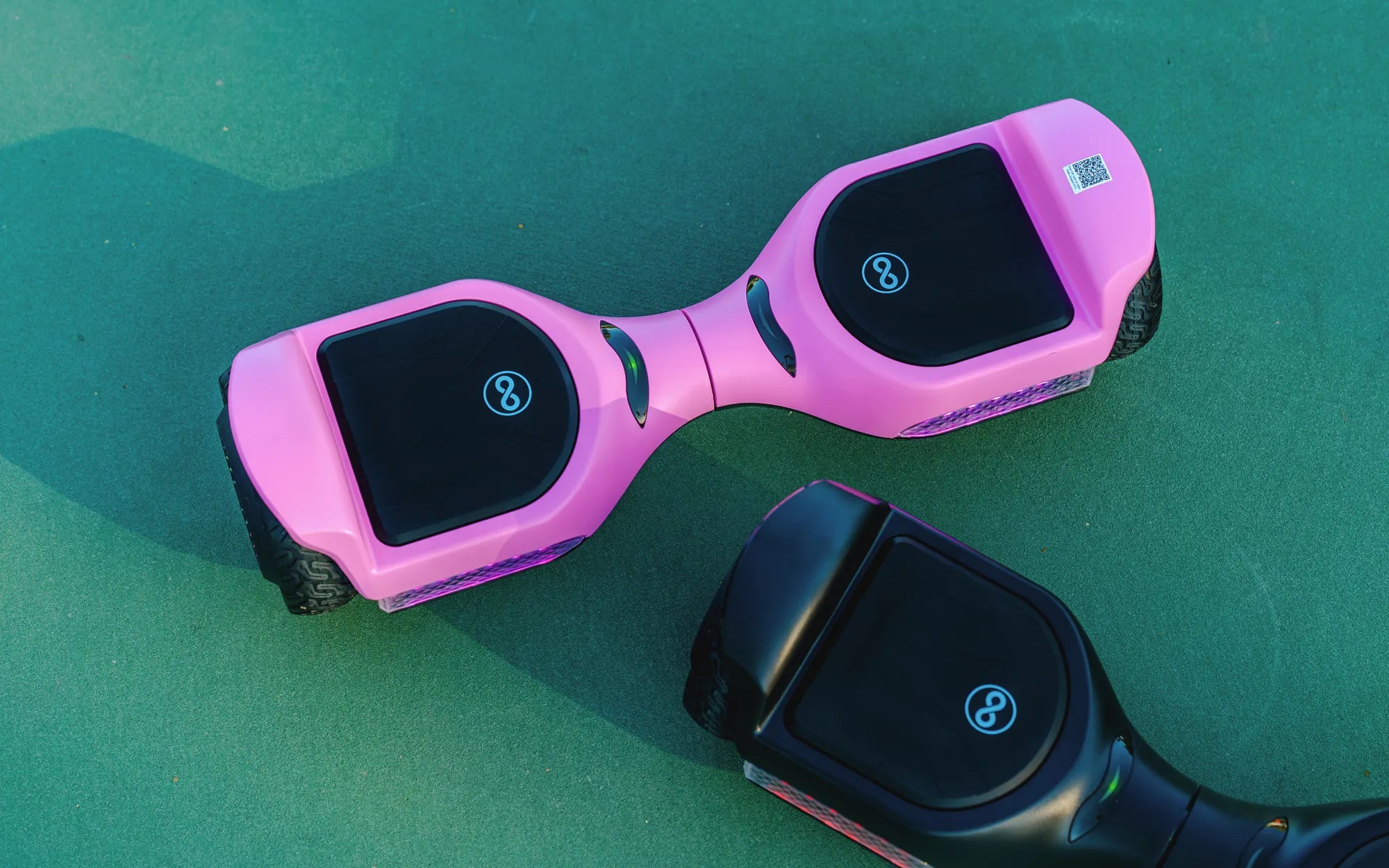
Imagine gliding effortlessly through city streets, turning heads as you zip past traffic on a sleek, self-balancing device. The Chinese hoverboard has revolutionized personal transportation, blending cutting-edge technology with urban convenience. From its humble beginnings to its current status as a global phenomenon, this gadget has captured the imagination of millions. But what makes it so special? Let’s dive into the world of Chinese hoverboards and uncover their secrets.
The Origins of the Chinese Hoverboard
The Chinese hoverboard emerged in the early 2010s as a futuristic alternative to traditional scooters and skateboards. Combining gyroscopic technology with electric propulsion, these devices offered a unique riding experience. Early models were rudimentary, but rapid advancements in battery life, motor efficiency, and materials quickly transformed them into must-have gadgets. China’s manufacturing prowess played a pivotal role, enabling mass production at affordable prices.
How Chinese Hoverboards Work
At the heart of every Chinese hoverboard is a sophisticated system of sensors and motors. Gyroscopes detect the rider’s movements, adjusting the speed and direction accordingly. Electric motors powered by lithium-ion batteries provide the thrust, while pressure-sensitive footpads ensure precise control. The result? A seamless, intuitive ride that feels like an extension of the body. Modern versions even include Bluetooth connectivity, LED lights, and smartphone apps for customization.
The Impact on Urban Mobility
Chinese hoverboards have redefined short-distance travel in crowded cities. Their compact size and agility make them ideal for navigating sidewalks and bike lanes. Commuters appreciate the convenience, while environmentalists laud their zero-emission operation. Some cities have even integrated hoverboard-friendly infrastructure, such as charging stations and dedicated lanes. However, regulatory challenges remain, with safety concerns prompting debates over where and how these devices should be used.
Safety and Regulations
As hoverboards gained popularity, reports of accidents and fires raised alarms. Overheating batteries and unstable designs were early issues, but manufacturers responded with improved safety features. Today, certifications like UL2272 ensure compliance with rigorous standards. Governments worldwide are still catching up, though, with laws varying by region. Riders are advised to wear helmets, avoid high-traffic areas, and follow local guidelines to stay safe.
The Future of Chinese Hoverboards
What’s next for the Chinese hoverboard? Innovations like AI-assisted balancing, longer battery life, and foldable designs are on the horizon. Some prototypes even hint at off-road capabilities or integration with public transit systems. As urban populations grow, the demand for efficient, eco-friendly transport will only increase. The hoverboard’s journey is far from over—it’s poised to become a staple of modern life.
From sci-fi fantasy to everyday reality, the Chinese hoverboard has come a long way. Whether you’re a tech enthusiast or a commuter seeking a smarter way to travel, this device offers a glimpse into the future. Don’t miss your chance to ride the wave of innovation—join the hoverboard revolution today!
Advantages of Hoverboard: Why This Futuristic Ride is a Game-Changer
6.5 or 8.5 Hoverboard: Which Size Is Right for You?