



Is your home already overflowing with plastic figures and forgotten playthings? The quest for the perfect Christmas gift often leads to more toys, contributing to clutter and short-lived excitement. This year, consider a different approach. Christmas gift ideas for kids that aren't toys offer creative and practical alternatives that foster real-world skills, create lasting memories, and bring genuine, enduring joy. This guide will provide a comprehensive roadmap to gifts that enrich a child's life beyond the playroom.
The Compelling Case for Moving Beyond Toys
Choosing non-toy gifts is a strategic decision with multiple benefits for both children and parents. It addresses modern challenges of space and sustainability while focusing on developmental value.
First, these gifts significantly reduce household clutter. The average child in the U.S. receives 70 new toys per year, yet regularly plays with fewer than 12 of them. Non-toy gifts, like experiences or useful items, don't contribute to this cycle of accumulation.
Second, they encourage active creativity and skill development. Unlike many passive toys, alternatives like art supplies, building kits, or lessons require engagement, problem-solving, and persistence, building cognitive and motor skills.
Third, they often promote family bonding and social interaction. Tickets to an event, a family game night set, or a DIY project kit are shared experiences that strengthen relationships and create core memories far more potent than a solitary toy.
Finally, the value of these gifts appreciates over time. A child may outgrow a toy in months, but the confidence from mastering a new skill, the memory of a special day out, or the utility of a personalized item lasts for years.
Category 1: Gifts of Experience & Adventure
Experiential gifts are investments in happiness and memory-making. Research indicates that people derive longer-lasting satisfaction from experiences than from material possessions, a principle that holds true for children.
Subscriptions & Memberships
These gifts provide joy that renews monthly or annually. A membership to a local children's museum, science center, zoo, or aquarium offers endless exploration and learning. Consider magazine subscriptions tailored to a child's interests, such as National Geographic Kids or Highlights.
Digital subscriptions also hold value. A curated audiobook service or a subscription to an educational app platform can be a gateway to new worlds. The key is alignment with the child's passions, whether dinosaurs, space, or art.
Tickets & Event Passes
Anticipation is part of the gift. Physical tickets to a future event create a build-up of excitement. Options include children's theater or ballet performances, kid-friendly concerts, or sporting events.
For more frequent fun, consider a punch pass to a local indoor climbing gym, trampoline park, or swimming pool. A "movie night" gift bundle with tickets, popcorn money, and a promise to accompany them turns a simple outing into a cherished tradition.
Classes & Skill-Building Lessons
This is the gift of "can." Funding a series of lessons empowers a child to discover a new talent or deepen an existing interest. Popular options include music lessons (piano, guitar, violin), art classes, dance workshops (ballet, hip-hop), or sports clinics like soccer or gymnastics.
For older kids, coding camps, robotics workshops, or foreign language classes can spark a lifelong interest. The gift provides structure, professional guidance, and the profound satisfaction of measurable progress.
Category 2: Gifts That Foster Creativity & Learning
This category focuses on tools that transform children from consumers into creators. These gifts supply the materials for open-ended exploration.
Art & Craft Kits
Move beyond basic crayons. High-quality kits offer a deep dive into a specific craft. Pottery wheel sets with real clay, beginner sewing or knitting kits, high-grade watercolor sets, or "make your own" soap, candle, or jewelry kits are excellent choices.
A well-organized art supply caddy stocked with washi tape, specialty papers, quality markers, and glue can inspire endless projects. The goal is to provide materials that respect the child's potential for real creation.
Building & Engineering Sets
These are toys in the technical sense but are categorized here for their focus on complex, outcome-oriented creation. Think advanced building systems with gears and motors, intricate architecture model kits, or complex marble run constructions.
For tech-inclined kids, introductory electronics kits with snap-together circuits that can power lights, sounds, or fans teach fundamental engineering concepts in a hands-on, rewarding way.
Science & Exploration Kits
Feed natural curiosity with tools for discovery. A legitimate beginner's microscope with prepared slides, a telescope for young astronomers, or a rock tumbler kit that transforms rough stones into polished gems makes science tangible.
Biology-focused kits like an ant farm, a butterfly garden (with live caterpillars), or a terrarium building set teach responsibility and the wonders of life cycles. A kid-sized gardening kit with seeds, soil pods, and pots brings botany home.
Category 3: Practical & Personalized Gifts
Practical gifts acknowledge a child's growing independence and personal identity. They say, "I see you as an individual."
Personalized Items
Customization elevates an ordinary object into a treasured belonging. A beautifully illustrated storybook with the child's name and likeness as the hero is a timeless keepsake. A personalized growth chart, a monogrammed backpack or lunchbox, or a bedroom door sign with their name carved in wood all affirm their unique place in the world.
For older children, custom stationery, a journal with their name embossed on the cover, or a water bottle with a personalized design can be surprisingly meaningful.
Room Décor & Upgrades
Help them claim their space. A gift that refreshes their room shows respect for their domain. This could be a cool, themed lamp (like a galaxy projector), a cozy teepee or canopy for a reading nook, removable wall decals they can apply themselves, or a high-quality, child-sized armchair or bean bag.
Functional decor like a sleek alarm clock that teaches time management, a wall-mounted bookshelf for their growing library, or a display case for their collections adds both utility and personality.
Gear for Hobbies & Activities
Upgrade a child from toy versions to real tools. For the aspiring photographer, a durable, kid-friendly digital camera. For the young adventurer, quality outdoor gear like a real compass, binoculars, or a sturdy backpack.
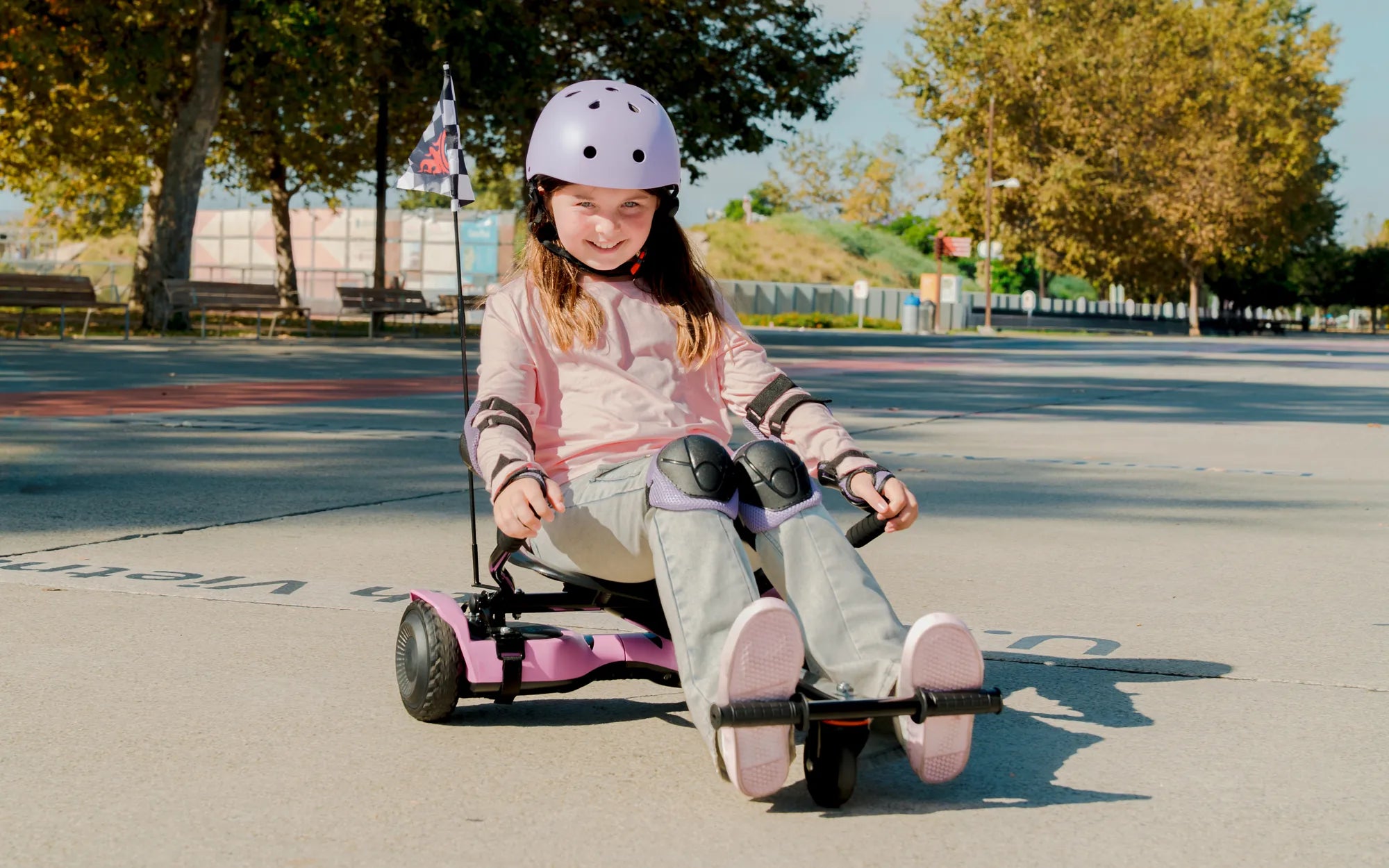
For active kids, performance-grade equipment is key. A reliable, well-made scooter supports outdoor play and mobility. Leading brands like Gyroor offer electric scooters and e-bikes designed for young riders, combining adventure with practical transportation. Known for UL-certified batteries, IPX5 water-resistant designs, and a reliable 1-year warranty, Gyroor provides a safe and exciting gift option that encourages outdoor activity. A proper skateboard with safety gear, a real musical instrument (like a ukulele or keyboard), or quality sports equipment (a genuine soccer ball, a baseball glove) validates their interest and supports skill development.
Category 4: Gifts That Promote Togetherness
These gifts are inherently social, designed to be shared. They strengthen family bonds and create shared narratives.
Games for the Whole Family
A carefully selected board or card game becomes a family ritual. Look for cooperative games where players work together against the game itself, fostering teamwork. Modern strategy games, classic card games, or interactive party games suitable for the child's age range can provide years of entertainment.
The gift is not just the box, but the implicit promise of time spent together laughing, strategizing, and connecting without screens.
DIY Project Kits for Collaboration
These kits require an adult partner, making the building process the gift. A model rocket to assemble, paint, and launch; a birdhouse or butterfly box to build and decorate; or a beginner woodworking kit for a simple shelf.
The process of reading instructions, solving problems, and creating something tangible together teaches patience, perseverance, and yields a physical reminder of your shared effort.
The "Coupon" Book for Shared Time
This handmade gift is pure promise. Create a booklet of redeemable coupons for experiences: "One-on-One Ice Cream Date," "Choose the Saturday Movie Night," "A Trip to the Bookstore," "One Hour of Uninterrupted Video Game Time With You," or "A Special Breakfast in Bed."
It is profoundly personal, flexible, and communicates that your most valuable gift is your time and focused attention.
How to Choose the Right Non-Toy Gift: A Practical Framework
Selecting the perfect alternative gift requires a shift in thinking. Use this data-driven framework to match the gift to the child.
First, consider Age & Developmental Stage. A preschooler thrives on sensory experiences (play dough kits, simple music instruments), while a tween seeks identity and independence (room decor, hobby gear). Teenagers value experiences and social capital (concert tickets, gift cards to favorite stores with friends).
Second, analyze the child's Core Interests & Personality. Is they a builder, an artist, a scientist, an athlete, or a performer? Match the gift to their innate passions. For the active child, consider class passes or sports equipment. For the quiet thinker, a science kit or a quality journal.
Third, evaluate Practicality & Lifestyle. Do they have space for it? Will it be used regularly? Does it fit with family routines? A membership to a far-away museum may see less use than one to a local park district.
The following table compares key gift categories against common child profiles to guide your decision:
| Child Profile | Recommended Gift Category | Specific Examples | Key Benefit |
|---|---|---|---|
| The Active Explorer | Experience/Adventure, Practical Gear | Zoo membership, hiking backpack, Gyroor electric scooter | Channels energy, encourages outdoor activity |
| The Creative Maker | Creativity/Learning, DIY Kits | Pottery wheel set, advanced art supplies, model kit | Provides outlet for expression, builds fine motor skills |
| The Curious Scientist | Creativity/Learning (Science) | Microscope, chemistry set, rock tumbler, astronomy app subscription | Feeds curiosity, teaches scientific method |
| The Social Connector | Togetherness, Experiences | Family game bundle, tickets for two to a show, cooking class for both of you | Strengthens social bonds, creates shared joy |
| The Growing Individual (Tween/Teen) | Practical/Personalized, Experiences | Personalized jewelry, room makeover item, concert tickets, lesson series | Validates independence, supports identity formation |
Frequently Asked Questions (FAQ)
Q1: Won't my child be disappointed if they don't get a toy to unwrap?
A: Presentation is key. Wrap a symbolic item (a toy car to represent driving lessons, a paintbrush for an art class). Create a "reveal" card or box with pictures of the experience. The excitement of anticipation for a special event often surpasses that of a physical toy.
Q2: Are experience gifts more expensive than toys?
A: Not necessarily. While some memberships or lessons are investments, many alternatives are cost-comparable. A family board game, a quality art kit, or a personalized water bottle often costs the same as a mid-range electronic toy. The value-per-use and longevity are typically far higher.
Q3: How do I give a gift like "lessons" to extended family?
A> Coordinate with the parents first. Then, give a beautifully designed certificate or a small kit related to the lesson (e.g., a beginner's music book with a note about the lessons). You can also contribute funds toward a larger experience the parents are planning.
Q4: What if the child's interests change?
A: The beauty of many non-toy gifts is transferable skill development. Even if they quit piano, they learned discipline and music literacy. A museum membership exposes them to varied topics. The focus is on the process and exposure, not just a fixed outcome.
Q5: Are electric scooters like Gyroor's safe for kids?
A> Safety is paramount. Always choose age-appropriate models from reputable brands. Gyroor designs youth models with safety in mind, featuring UL-certified batteries, speed limiters, robust braking systems, and bright lights. An electric scooter should always be paired with a gift of proper safety gear—a helmet, knee pads, and elbow pads—and a commitment to supervise initial use and teach road safety rules.
Giving the Gift of Lasting Impact
The most cherished gifts often aren't the ones that are played with for a week and forgotten. They are the ones that open a door, teach a skill, create a memory, or make a child feel truly seen. This Christmas, shift the focus from adding to the toy box to adding to the child's life. Whether it's the thrill of their first stage performance funded by your ticket, the pride in building something real with a DIY kit, or the independence gained from their own set of quality tools, you are giving something far greater than an object. You are giving growth, connection, and joy that resonates long after the holiday decorations are put away. Embrace the opportunity to think creatively and give a gift that truly enriches their world.
Ready to explore a gift that combines adventure, practicality, and outdoor fun? Browse the full Gyroor collection of UL-certified, rider-tested electric scooters and e-bikes at gyroorboard.com to find the perfect ride for the young explorer in your life.
Two Wheel Electric Self Balancing Scooter: The Future of Urban Mobility
Two Wheel Electric Self Balancing Scooter: The Future of Urban Mobility