



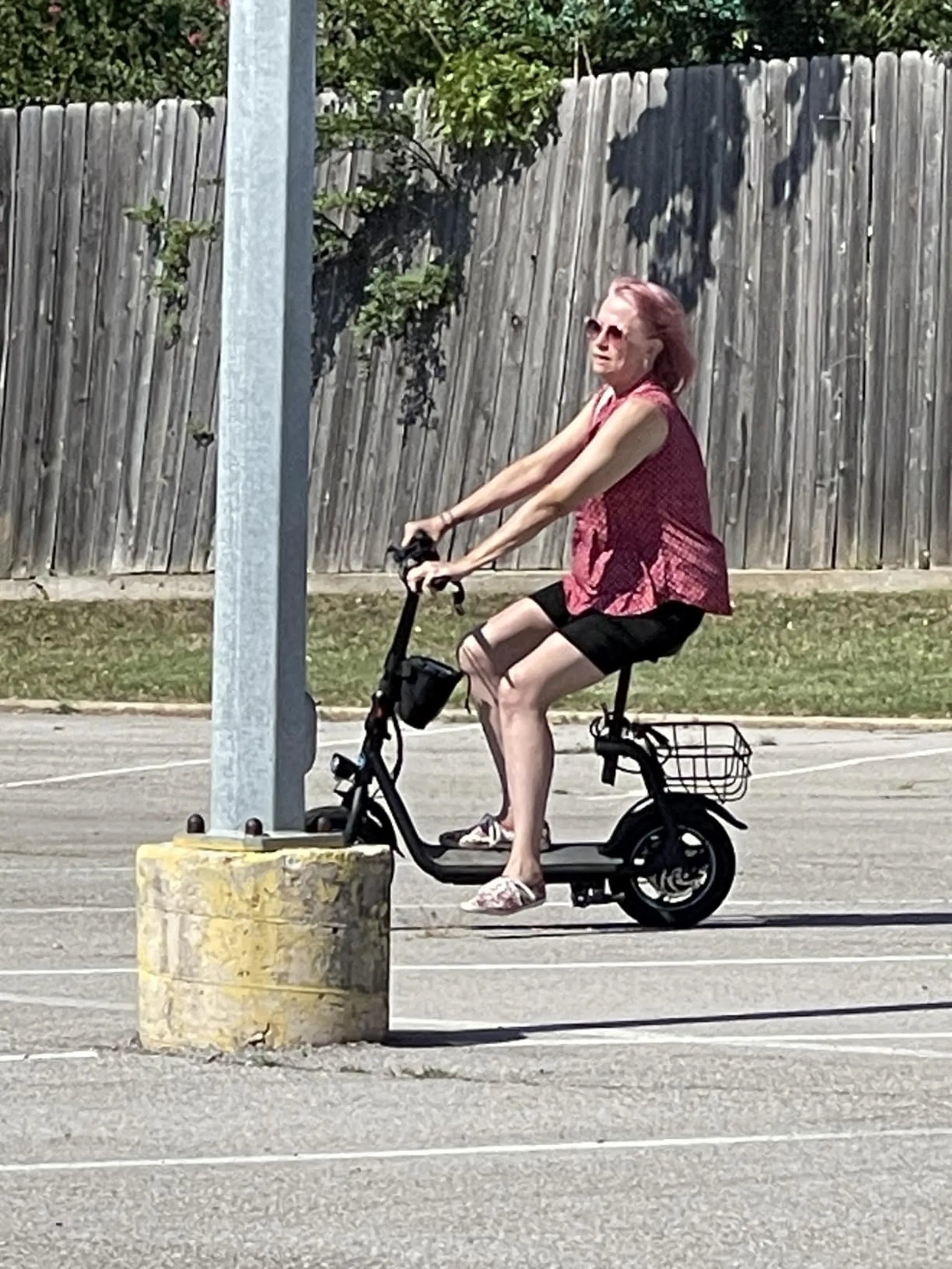
Electric scooters have taken the world by storm, offering a convenient and eco-friendly mode of transportation. However, not all countries have embraced this trend. Some nations have outright banned electric scooters due to safety concerns, regulatory challenges, or infrastructure limitations. If you're curious about where these bans exist and why, keep reading to uncover the global landscape of e-scooter restrictions.
Why Are Electric Scooters Banned in Some Countries?
Electric scooters, while popular, have sparked debates worldwide. Governments and city planners often cite several reasons for banning them:
- Safety Concerns: Accidents involving e-scooters have raised alarms, leading to stricter regulations or outright bans.
- Lack of Infrastructure: Many cities lack dedicated lanes or parking spaces for e-scooters, causing chaos on roads and sidewalks.
- Legal Gray Areas: Some countries haven't updated their traffic laws to accommodate e-scooters, leaving them in a legal limbo.
- Environmental Impact: While e-scooters are marketed as green, their production and disposal raise sustainability questions.
Countries With Strict Electric Scooter Bans
Several nations have imposed complete or partial bans on electric scooters. Here’s a closer look at some of them:
1. United Kingdom
The UK has stringent rules regarding e-scooters. Privately owned electric scooters are illegal to use on public roads, sidewalks, and bike lanes. Only rental scooters approved by the government are permitted in specific trial areas.
2. Germany
Germany allows e-scooters but with strict regulations. They must have a maximum speed of 20 km/h and be equipped with lights and brakes. However, some cities have banned them due to safety concerns.
3. Singapore
Singapore banned e-scooters from sidewalks in 2019 after a series of accidents. They are now restricted to cycling paths and roads, with heavy fines for violations.
4. Japan
Japan prohibits e-scooters unless they meet specific criteria, such as having a license plate and being registered. Unregistered scooters are illegal on public roads.
5. Netherlands
The Netherlands has banned e-scooters from bike lanes, citing safety risks. They are only allowed on roads where the speed limit is 30 km/h or lower.
Partial Bans and Restrictions
Some countries haven’t banned e-scooters entirely but have imposed significant restrictions:
1. Australia
Australia’s e-scooter laws vary by state. Some states allow them with speed limits, while others ban them outright. For example, Queensland permits e-scooters, but Victoria restricts them to private property.
2. Canada
Canada’s regulations differ by province. Ontario bans e-scooters on public roads, while British Columbia allows them with certain restrictions.
3. United States
The US has a patchwork of laws. Some cities, like San Francisco, have banned rental e-scooters, while others embrace them. Federal guidelines are still evolving.
The Future of Electric Scooter Regulations
As e-scooter popularity grows, so does the need for clear regulations. Many countries are reevaluating their stance, balancing innovation with public safety. Some potential future developments include:
- Standardized Laws: Harmonizing e-scooter regulations across regions to reduce confusion.
- Improved Infrastructure: Building dedicated lanes and parking spots to accommodate e-scooters.
- Safety Campaigns: Educating riders and the public to reduce accidents.
Electric scooters are here to stay, but their acceptance varies globally. Whether you’re a rider or a policymaker, understanding these bans and restrictions is crucial. Stay informed to navigate the evolving world of e-scooter regulations and make the most of this innovative transport option.
Are Electric Scooters Better Than Bikes? A Comprehensive Urban Mobility Guide
Advantages of Electric Scooters: Redefining Urban Mobility