



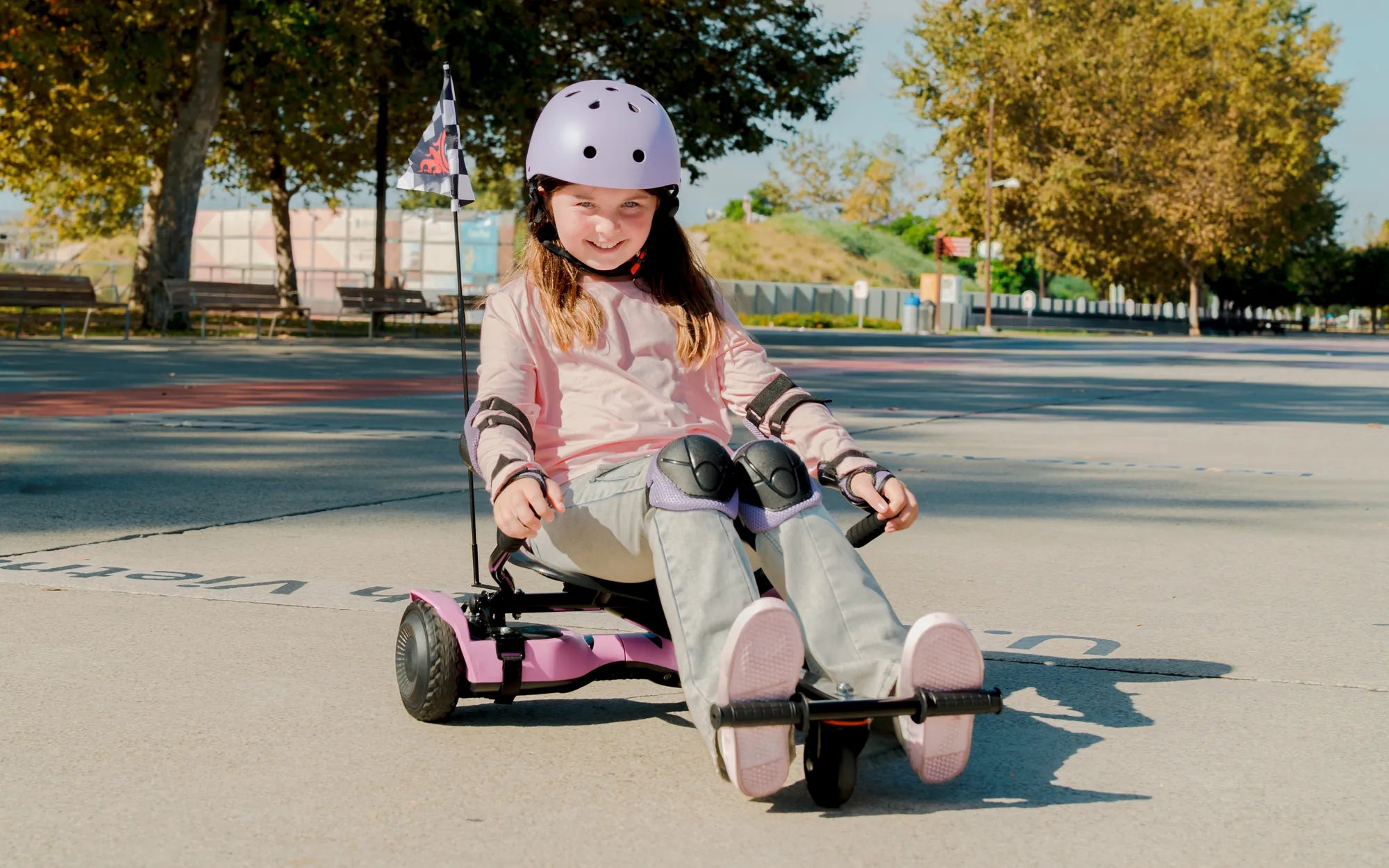
Hoverboards burst onto the scene as a futuristic mode of transportation, but their early days were marred by safety scandals. From overheating batteries to sudden stops causing injuries, these self-balancing scooters quickly earned a reputation for danger. Fast forward to today, and the hoverboard industry has undergone significant changes. But how safe are hoverboards now? Let’s dive into the current safety landscape.
The Evolution of Hoverboard Safety Standards
When hoverboards first hit the market, they were largely unregulated. This led to widespread issues, including battery fires and mechanical failures. In response, organizations like UL (Underwriters Laboratories) introduced rigorous safety certifications. Today, reputable manufacturers adhere to these standards, ensuring that hoverboards meet strict electrical, thermal, and mechanical safety requirements.
Key safety improvements include:
- Battery Safety: Modern hoverboards use lithium-ion batteries with built-in protection circuits to prevent overheating and explosions.
- Build Quality: Sturdy materials and better engineering reduce the risk of structural failures.
- Software Updates: Advanced firmware helps prevent sudden shutdowns and improves balance control.
Common Safety Risks and How to Avoid Them
Despite advancements, hoverboards still pose risks if not used properly. Here are the most common hazards and how to mitigate them:
1. Battery Fires
While rare, battery-related incidents can still occur. To minimize risk:
- Only charge the hoverboard with the provided charger.
- Avoid leaving it plugged in overnight.
- Store the hoverboard in a cool, dry place.
2. Falls and Collisions
Hoverboards require balance and coordination. To stay safe:
- Wear protective gear, including a helmet, knee pads, and wrist guards.
- Practice in an open, flat area before riding in crowded spaces.
- Avoid high speeds and uneven terrain.
3. Malfunctions
Even certified hoverboards can experience glitches. Regular maintenance, such as checking for loose screws or worn-out tires, can prevent accidents.
Who Should (and Shouldn’t) Use Hoverboards?
Hoverboards are fun, but they’re not for everyone. Children under 12 should avoid them unless supervised, as their balance and reaction times may not be fully developed. Similarly, individuals with mobility issues or poor coordination should exercise caution.
The Future of Hoverboard Safety
As technology advances, hoverboards are becoming smarter and safer. Features like AI-powered stability control and collision detection are on the horizon, promising an even safer riding experience.
Hoverboards have come a long way from their risky beginnings, but safety still depends on responsible use. By following guidelines and staying informed, riders can enjoy this innovative gadget without unnecessary risks. Ready to glide into the future with confidence? Stay updated on the latest safety tips and ride smart!
Best Hoverboard for 8 Year Old Cheap: Top Picks and Buying Guide
Chic Smart Hoverboard Weight Limit: What You Need to Know Before Riding