

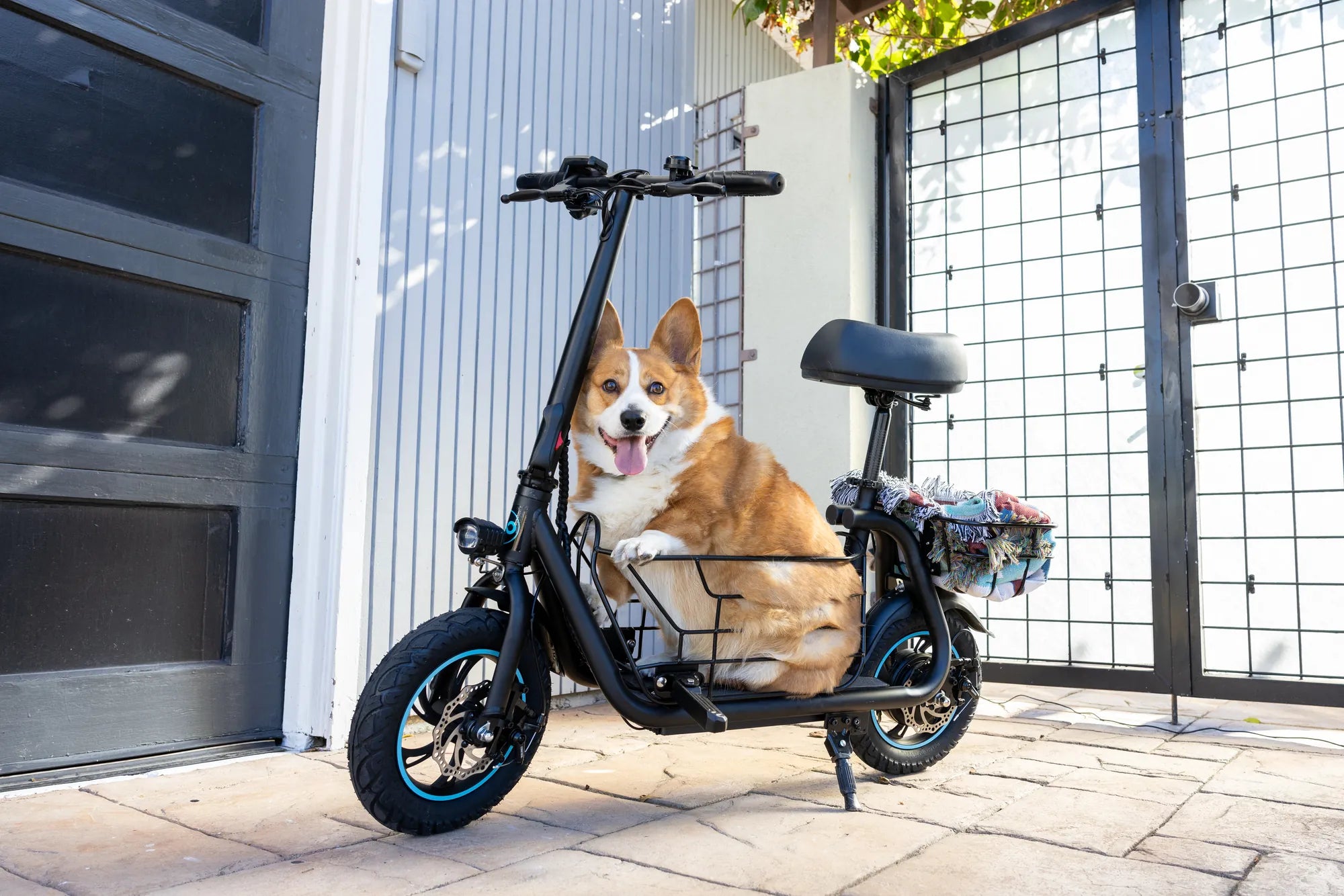
There's nothing worse than gearing up for an epic dirt bike adventure only to find your battery dead. A reliable dirt bike charger is the unsung hero that keeps your ride powered and ready for action. Whether you're a weekend warrior or a competitive racer, understanding how to choose, use, and maintain your charger can make all the difference in your riding experience.
How Dirt Bike Chargers Work
Dirt bike chargers are designed to replenish the power in your bike's battery efficiently and safely. Unlike standard car battery chargers, they're specifically engineered for the smaller batteries found in off-road motorcycles. These chargers typically operate on a multi-stage charging process:
- Bulk Stage: Delivers maximum current to quickly charge the battery
- Absorption Stage: Maintains voltage while reducing current
- Float Stage: Provides a trickle charge to maintain battery health
Modern smart chargers automatically adjust these stages based on your battery's condition, preventing overcharging that can damage battery cells.
Choosing the Right Dirt Bike Charger
Selecting the perfect charger for your dirt bike involves considering several key factors:
Battery Compatibility
Different battery types require different charging approaches. The three main types you'll encounter are:
| Battery Type | Charging Requirements |
|---|---|
| Lead-Acid | Standard charging profile, most common for older bikes |
| AGM (Absorbed Glass Mat) | Requires precise voltage control |
| Lithium-Ion | Needs specialized charger with different voltage parameters |
Charger Features to Consider
Look for these essential features when shopping for a dirt bike charger:
- Automatic shutoff when battery reaches full charge
- Desulfation mode for reviving old batteries
- Weather-resistant construction for garage or track use
- Compact size for easy transport to races or trails
- LED indicators showing charging status
Proper Charging Techniques
Using your dirt bike charger correctly extends battery life and ensures optimal performance:
- Always connect the charger to the battery before plugging it into power
- Charge in a well-ventilated area away from flammable materials
- Follow manufacturer recommendations for charging duration
- Check battery terminals for corrosion before connecting
- Store your charger in a dry, temperature-controlled environment
Maintenance and Troubleshooting
Keep your dirt bike charging system in top shape with these maintenance tips:
Regular Maintenance
Perform these simple tasks to prevent charging issues:
- Clean battery terminals monthly with a wire brush
- Check electrolyte levels in conventional batteries (if applicable)
- Test battery voltage regularly with a multimeter
- Inspect charger cables for fraying or damage
Common Charging Problems
Here's how to diagnose and fix frequent charging issues:
| Problem | Possible Cause | Solution |
|---|---|---|
| Charger won't turn on | Blown fuse or faulty power connection | Check fuse and power source |
| Battery not holding charge | Old battery or parasitic drain | Test battery and check for electrical drains |
| Charger overheating | Ventilation blocked or faulty components | Clean vents or service charger |
Advanced Charging Tips
Take your charging game to the next level with these pro techniques:
Winter Storage Charging
Proper off-season charging prevents battery sulfation and extends life:
- Use a maintenance charger with float mode
- Charge battery to 100% before storage
- Disconnect battery if storing more than 30 days
- Store in a cool, dry place (not on concrete floor)
Race Day Preparation
Ensure maximum power when it counts most:
- Charge battery fully the night before
- Bring portable charger to the track
- Consider a quick-charge system for pit stops
- Monitor battery voltage between motos
Your dirt bike charger is more than just a power source - it's your ticket to uninterrupted riding adventures. By choosing the right charger and following these best practices, you'll never face the frustration of a dead battery again. Whether you're hitting the trails tomorrow or prepping for next season, proper charging means your bike will always be ready when you are.
Are E-Bikes Allowed on Bike Trails? Exploring the Rules and Regulations
What Size Dirt Bike for 8 Year Old: The Ultimate Guide for Parents