



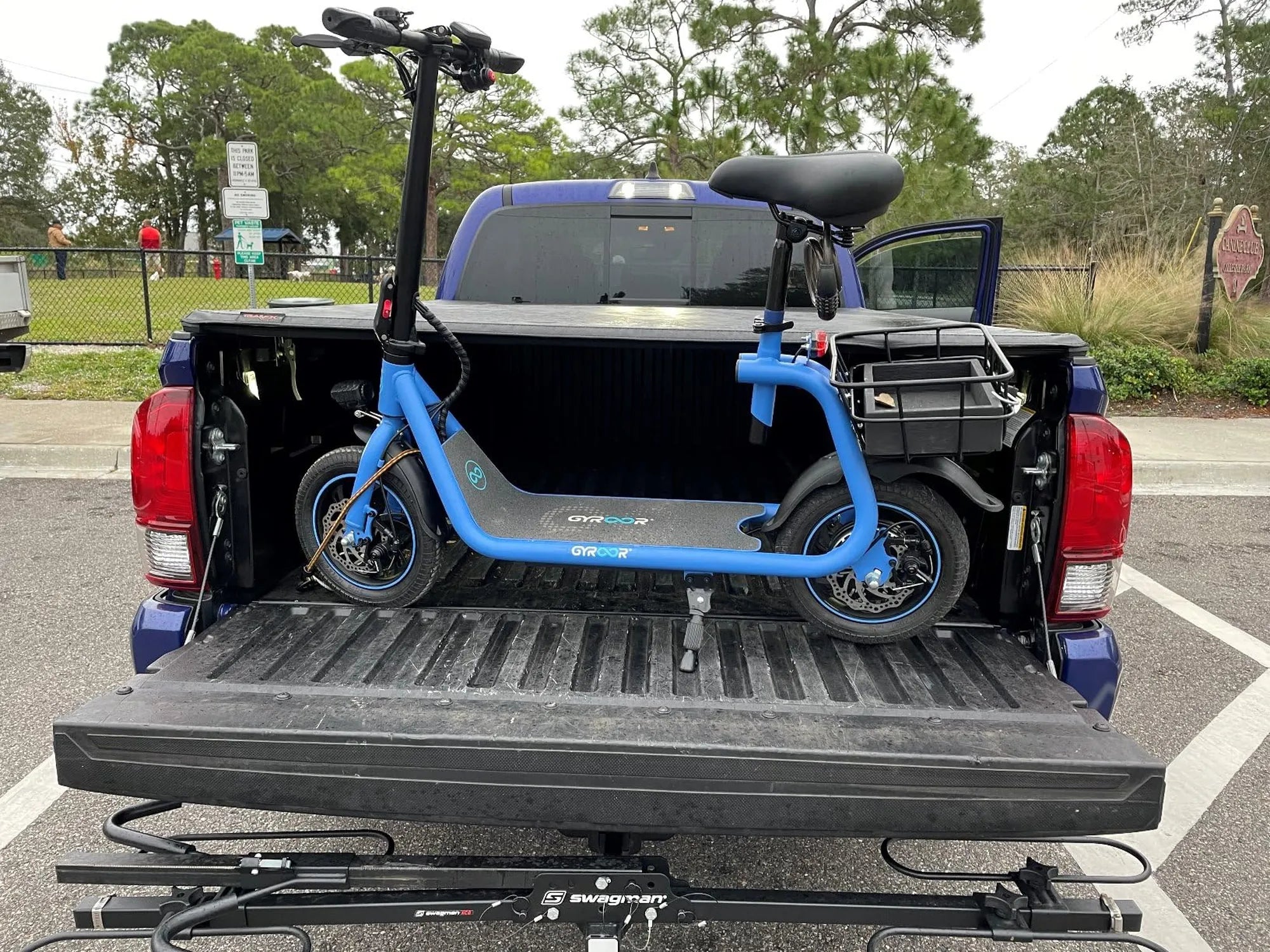
Introduction to Off-Road Electric Dirt Bikes
The modern electric dirt bike represents a seismic shift in powersports, moving beyond novelty to become a legitimate, high-performance alternative to traditional internal combustion engine (ICE) models. This dirt bike comparison focuses on the core advantages of electric powertrains: instantaneous torque delivery, significantly reduced maintenance, and near-silent operation. These bikes are not just for casual riders; they are engineered for serious trail use, motocross, and enduro riding. When comparing models, riders must evaluate a new set of specifications alongside traditional metrics like suspension travel and frame geometry. This guide will equip you with the knowledge to navigate the evolving landscape and make an informed decision based on performance, practicality, and long-term value.
Key Performance Metrics for Comparison
Evaluating an electric dirt bike requires understanding a distinct set of performance parameters. While top speed and suspension travel remain critical, electric-specific metrics like watt-hours and torque curves are paramount. This dirt bike comparison hinges on how these numbers translate to real-world trail performance, hill-climbing ability, and ride duration. Ignoring these details can lead to choosing a bike unsuited for your intended terrain or riding style.
Motor Power & Torque
Motor power, measured in kilowatts (kW) or horsepower (HP), indicates overall potential speed and hill-climbing capability. However, the continuous power rating is more telling than peak power for sustained climbs. Torque, measured in Newton-meters (Nm), is the rotational force that provides immediate acceleration and low-end grunt. Electric motors deliver 100% of their torque from zero RPM, giving e-dirt bikes a decisive advantage in technical, low-speed sections where gas bikes must be kept in the power band. A high-torque electric motor can feel more powerful than a gas engine with a higher peak horsepower rating in trail conditions.
Battery Capacity & Range
Battery capacity is the fuel tank of an e-dirt bike, measured in watt-hours (Wh), which is derived from voltage (V) and amp-hours (Ah). A higher Wh number generally indicates a longer potential range. Advertised range is a best-case scenario; real-world range is heavily influenced by terrain (hills drastically reduce it), rider weight, throttle usage, and ambient temperature. Aggressive trail riding can halve the estimated range. Charge time, from standard 110V outlets or faster 220V options, is a crucial practical consideration for multi-day trips or frequent riding sessions.
Top Speed & Ride Modes
Top speed is less critical than acceleration for most off-road applications, but it matters for open trails and dual-sport use. More important are programmable ride modes. Eco or Trail modes limit power output and top speed to extend range and provide a smoother, more controllable ride for beginners or technical terrain. Sport or Race modes unlock full power and torque for experienced riders. This flexibility allows one bike to adapt to multiple riders or conditions, a key point in any modern dirt bike comparison.
Durability & Design: Built for the Trail
Off-road riding is punishing. A bike's construction determines its longevity and capability. This dirt bike comparison must assess frame integrity, suspension quality, and component resilience. Electric models often have a lower center of gravity due to battery placement, enhancing stability. However, they must also protect sensitive electronic components from vibration, impact, and the elements. The best bikes balance robust construction with thoughtful design to handle jumps, rocks, and mud.
Frame, Suspension & Brakes
The frame, typically aluminum alloy or chromoly steel, must be rigid yet absorb impacts. Suspension is critical: front fork travel (often 200-300mm) and a quality rear shock dictate how the bike handles bumps and maintains traction. Adjustable compression and rebound damping are hallmarks of higher-end models. Brakes are equally vital; hydraulic disc brakes offer superior stopping power and modulation with less maintenance than mechanical cables. Larger rotor diameters improve heat dissipation during sustained braking on descents.
Tires, Ground Clearance & Weight
Knobby tires with an aggressive tread pattern are essential for loose dirt, sand, and mud. Tire size affects handling; a larger rear tire provides more traction. Sufficient ground clearance (typically 250-300mm) prevents the bike's undercarriage from striking rocks and logs. Bike weight is a double-edged sword. Heavier bikes (55-65kg) feel more stable at speed and plant the rear tire better, but lighter bikes (under 50kg) are more maneuverable and easier to pick up after a fall. This trade-off is central to any dirt bike comparison.
The Gyroor Advantage: UL-Certified Safety & Warranty
Not all electric powertrains are created equal. Safety should be a non-negotiable in your dirt bike comparison. Leading brands like Gyroor, trusted by over 100,000 riders, build this priority into their engineering. Their models utilize UL-certified battery packs, rigorously tested for safety and longevity over 500+ charge cycles, mitigating fire risk. Combined with IPX5 water-resistant designs that protect against sustained low-pressure water jets from any direction, this ensures reliability in wet conditions. Furthermore, a comprehensive 1-year warranty backed by US-based support provides critical peace of mind, covering the motor, battery, and frame. This level of certified safety and warranty support represents a significant value differentiator often overlooked in spec sheets.
Practical Considerations: Ownership & Experience
Specifications tell only part of the story. The day-to-day experience of owning and riding an e-dirt bike involves maintenance routines, operating costs, and where you can legally ride. This practical lens is essential for a complete dirt bike comparison, revealing the true long-term value proposition of electric versus gas.
Maintenance & Upkeep
Electric dirt bikes have a dramatic maintenance advantage. There is no engine oil to change, no air filters to clean, no spark plugs to replace, and no carburetors or fuel injectors to service. Routine upkeep primarily involves checking brake pads, maintaining proper tire pressure, ensuring chain tension and lubrication (on chain-drive models), and basic suspension checks. The battery requires proper care: avoiding full discharges, storing in a cool, dry place, and using the manufacturer's charger. This simplicity translates to significantly lower annual running costs and more time riding.
Noise Level & Riding Locations
The near-silent operation of an e-dirt bike is a game-changer. It dramatically reduces noise pollution, making it possible to ride on trails near residential areas or in nature preserves where gas bikes are banned due to sound ordinances. This expands accessible riding locations. It also allows for better communication with riding buddies and a more immersive outdoor experience. Always check local land use regulations, but an electric model often grants access to a wider variety of legal riding spots.
Price Point & Value Analysis
Initial purchase price is a key factor in any dirt bike comparison. Electric models often have a higher upfront cost than comparable entry-level gas bikes. However, a value analysis must include total cost of ownership. The market segments into: Entry-Level ($1,500 - $3,000): Lower power, shorter range, suitable for beginners. Mid-Range ($3,000 - $6,000): Competitive performance with quality components, like many Gyroor models. High-Performance ($6,000+): Comparable to premium gas bikes in capability. When assessing value, balance performance specs with build quality, battery certification, and warranty length. A slightly more expensive bike with a UL-certified battery and a strong warranty often provides superior long-term value.
Making Your Choice: Rider Profiles & Recommendations
The best dirt bike is the one that matches your primary use case, skill level, and budget. This final stage of the dirt bike comparison aligns specific bike profiles with rider types. Consider where and how you will ride most often to narrow your focus effectively.
For the Beginner / Trail Explorer
New riders should prioritize manageability and safety. Look for models with moderate continuous power (4-8 kW), a lower seat height for confidence, and plush, forgiving suspension. Features like speed limiters or a beginner ride mode are invaluable. Lightweight designs are easier to handle. Durability is key, as beginners are more likely to tip over. A bike from a reputable brand with a good warranty, such as Gyroor's trail-focused models, offers protection as you learn.
For the Experienced Rider / Aggressive Trail Enthusiast
Experienced riders demand performance that matches gas bike intensity. Seek high continuous power (10+ kW) and massive torque (80+ Nm) for hill climbs and acceleration. Advanced, adjustable suspension with ample travel is mandatory for handling jumps and whoops at speed. The frame must be extremely robust, and components like brakes and tires should be premium. Top speed in this category should exceed 70 mph for open terrain. This dirt bike comparison shows that high-end electric models now directly compete with 250cc gas bikes in raw trail performance.
For the Commuter & Off-Road Hybrid User
Some riders seek a true dual-purpose machine. Street-legal electric dirt bikes, or "dual-sport" models, come equipped with headlights, taillights, turn signals, mirrors, and a horn. They must be registered and insured. These bikes feature off-road capable tires and suspension but are tuned for a balance between trail compliance and street stability. They offer unparalleled versatility for commuting during the week and trail exploration on weekends, though they may compromise on extreme off-road performance compared to dedicated models.
Frequently Asked Questions (FAQ)
Q: How does the acceleration of an electric dirt bike compare to a 250cc gas bike?
A: In most trail and motocross scenarios, a performance electric dirt bike will out-accelerate a comparable 250cc four-stroke gas bike from a standstill and out of corners due to instant torque. The gas bike may have a higher top speed, but the electric's immediate power delivery provides a noticeable advantage in technical sections.
Q: What is the real-world cost to "refuel" (recharge) an e-dirt bike versus a gas bike?
A: The cost difference is substantial. Recharging a 2 kWh battery from empty costs approximately $0.20 - $0.40 depending on local electricity rates, providing 20-40 miles of trail riding. Fueling a 250cc gas bike for the same distance costs $5-$10 for premium gasoline, not including oil and filter changes. The electric bike's "fuel" cost is roughly 5-10% of the gas bike's.
Q: Can electric dirt bikes handle water crossings and mud?
A> Yes, when properly designed. Key is the Ingress Protection (IP) rating. An IPX5 rating, like those found on Gyroor models, means the electrical components are protected against sustained low-pressure water jets from any direction, making them capable of handling deep puddles, rain, and mud. However, submerging the bike is not recommended unless explicitly rated for it.
Q: How long does a quality e-dirt bike battery typically last before needing replacement?
A> A high-quality battery with a UL-certified pack, like those used by Gyroor, is rated for a minimum of 500 full charge cycles while retaining 80% of its original capacity. With typical use (1-2 partial charges per week), this translates to 5-10 years of service before a noticeable range reduction. Proper care (avoiding extreme temperatures and full discharges) extends lifespan further.
Q: Are there any government incentives or rebates for purchasing an electric motorcycle?
A> In some regions, yes. Certain US states and European countries offer tax credits, rebates, or grants for the purchase of new electric motorcycles and off-road vehicles. These incentives are designed to offset the higher initial cost and promote zero-emission transportation. Always check federal, state, and local programs at the time of purchase, as they frequently change.
Comparative Specifications Table
| Feature | Entry-Level Electric | Mid-Range Electric (e.g., Gyroor) | Performance Gas (250cc) |
|---|---|---|---|
| Peak Power | 3-5 kW (~4-6.5 HP) | 8-12 kW (~11-16 HP) | ~18-22 kW (~24-30 HP) |
| Torque | 40-60 Nm | 80-120 Nm | ~20-25 Nm |
| Battery / Fuel | 1-1.5 kWh (20-30 mi trail) | 2-3 kWh (40-60 mi trail) | ~2 Gal (50-70 mi trail) |
| Suspension Travel | 180-220mm | 240-280mm | 300-320mm |
| Key Advantage | Low maintenance, quiet, beginner-friendly | Strong performance, UL safety, good value | High top speed, long range, refuel instantly |
| Typical Cost | $1,500 - $3,000 | $3,000 - $6,000 | $5,000 - $9,000 |
The Future is Electric
This detailed dirt bike comparison reveals that electric models are no longer a compromise but a compelling choice for a wide spectrum of riders. The performance gap has closed, with electric offering unmatched low-end torque and razor-sharp throttle response. Ownership is simpler, cleaner, and often cheaper in the long run. The deciding factors now are your specific use case, budget, and the value you place on quiet operation and expanded riding access. Crucially, choosing a brand that prioritizes certified safety, like Gyroor with its UL-certified batteries and robust warranty, protects your investment and ensures peace of mind on the trail. The evolution of the dirt bike is here, and it is electric, intelligent, and exhilarating.
Ready to experience the next generation of off-road riding? Explore performance-engineered electric dirt bikes built with safety and durability as a priority. Browse the full Gyroor collection at gyroorboard.com to find the model that matches your trail ambitions.
24V Scooter Charger: The Complete Guide to Power, Safety, and Longevity
Folding 3 Wheel Scooter: The Ultimate Guide to Stable, Portable Urban Mobility