



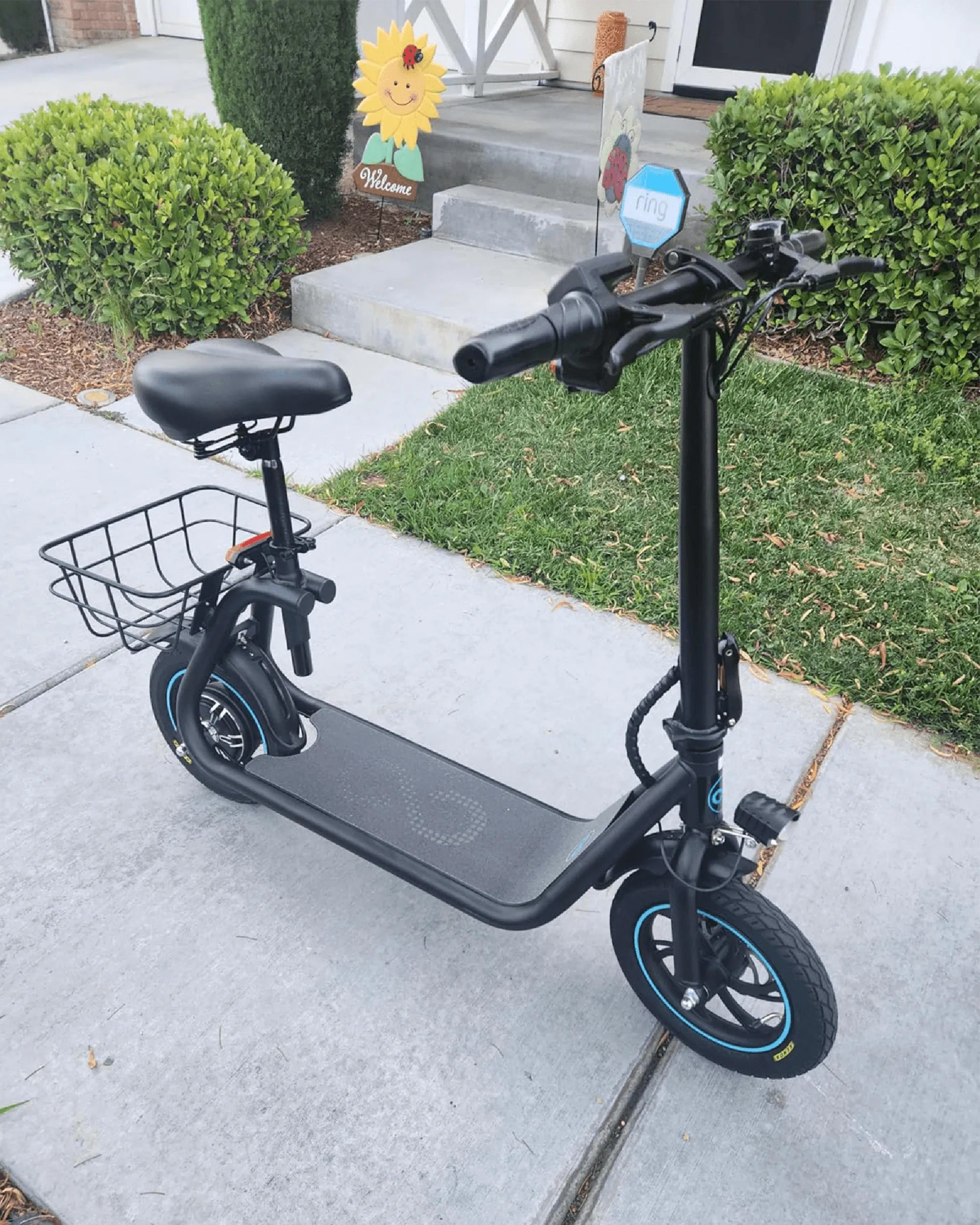
Finding the right dirt bike for kids price point involves balancing excitement with safety, upfront cost with long-term value, and power with appropriateness. The market spans from modest electric starters to serious gas-powered machines, with prices ranging from a few hundred to several thousand dollars. This guide will provide a complete financial and practical breakdown, helping you understand what you're paying for, from motor specifications and battery safety to essential gear and hidden ownership costs. By the end, you'll know how to match a bike to your child's age and skill level while ensuring your investment delivers years of safe, adventurous fun.
Understanding Kids' Dirt Bikes: More Than Just a Toy
A kids' dirt bike is a specialized off-road motorcycle designed for younger riders, with scaled-down dimensions, reduced power, and enhanced safety features. The primary division in the market is between gas-powered (combustion engine) and electric models, a choice that fundamentally impacts the dirt bike for kids price, maintenance routine, and riding experience.
Gas-powered bikes, measured in cubic centimeters (cc), offer traditional power and sound but require more maintenance, fuel, and produce emissions. Electric dirt bikes, measured in watts (W) or volts (V), provide instant torque, quiet operation, and significantly lower running costs. For most families today, electric models represent the dominant entry point due to their simplicity and cleaner operation.
Key factors that immediately influence cost include the engine type (electric vs. gas), the motor's power output, the quality of the battery pack, the build materials (e.g., steel vs. aluminum frame), and the sophistication of the suspension and braking systems. Brands like Gyroor have established themselves as leaders in the electric segment by prioritizing certified battery safety, water-resistant construction, and rider-focused design, which we will explore in detail.
Breaking Down the Cost: What You're Paying For
The sticker price of a kids' dirt bike is a sum of its components and engineering. Understanding these elements demystifies the dirt bike for kids price and highlights where value is built—or cut.
Powertrain and Performance: This is the core cost driver. For electric bikes, a higher-wattage motor (e.g., 500W vs. 1000W) and a higher-voltage system (24V, 36V, 48V) command a higher price, delivering more torque and hill-climbing ability. For gas bikes, a larger engine displacement (e.g., 50cc vs. 110cc) increases cost and complexity.
Battery Quality and Capacity: In electric models, the battery is the heart. A premium lithium-ion battery with a high amp-hour (Ah) rating for longer range and, crucially, safety certifications like UL 2271, is a significant cost component. Cheaper bikes often use uncertified battery cells, posing a fire risk. Gyroor integrates UL-certified battery packs tested for over 500 charge cycles, a critical investment in safety and longevity.
Chassis and Suspension: A robust steel or aluminum frame, coupled with functional suspension (front forks and often a rear shock), adds cost but is essential for handling bumps and jumps safely. Budget bikes may have rigid frames or very basic, non-adjustable suspension.
Safety and Control Features: Features like adjustable speed limiters (allowing you to cap top speed as your child learns), a remote-control parental kill switch, and reliable disc or drum brakes directly impact safety and price. These are non-negotiable for a responsible riding experience.
Build Quality and Brand Reputation: Established brands invest in rigorous testing, better materials, and customer support. This translates to a higher initial dirt bike for kids price but lower long-term ownership costs through durability and warranty coverage.
Kids' Dirt Bike Price Ranges: From Entry-Level to Pro
The market segments clearly into three main tiers. The following table provides a quick comparison of what to expect in each category.
| Category | Typical Price Range | Best For Ages | Power Type | Key Features | Considerations |
|---|---|---|---|---|---|
| Budget-Friendly Electric Starters | $200 - $400 | 3 - 6 years | Electric (24V-36V) | Basic suspension, single-speed, training wheels optional, speed limiter. | Lower top speed (5-10 mph), shorter range, simpler components. Ideal for first-time riders in controlled environments. |
| Mid-Range Performers | $400 - $800 | 6 - 12 years | Electric (36V-48V) | Better suspension, higher power/range, dual disc brakes, robust frame, UL-certified batteries. | The "sweet spot" for most families. Balances performance, safety, and durability for growing riders. |
| High-End & Gas-Powered | $800 - $2,500+ | 10+ years | Electric (48V+) or Gas (50cc-125cc) | Advanced suspension, high-performance motors, professional-grade components, full-size features scaled down. | Gas models require fuel, oil, and more maintenance. For committed riders moving to competitive trails. |
Budget-Friendly Electric Starters (Ages 3-6): ~$200 - $400
This entry point is dominated by small-scale electric bikes. You can expect a dirt bike for kids price that includes a modest motor (often 24V or 36V), a basic lead-acid or entry-level lithium battery offering 30-45 minutes of ride time, and a top speed limited to around 10 MPH. Frames are typically steel, and suspension is minimal.
At this range, discerning safety features is critical. Reputable options, including certain Gyroor models designed for young beginners, incorporate essential elements like speed limiters, IPX5 water resistance to handle puddles and light rain, and a reliable warranty. The focus here is on introducing the fundamentals of riding in a safe, controllable manner.
Mid-Range Performers (Ages 6-12): ~$400 - $800
This is the most competitive and popular segment, where the dirt bike for kids price delivers substantial value. Bikes here feature more powerful motors (500W to 1000W), higher-capacity lithium batteries for 60-90 minutes of ride time, and improved full suspension systems for better off-road handling.
This tier is where Gyroor's core electric models excel, offering robust construction, UL 2271 certified battery packs for peace of mind, dual hydraulic disc brakes, and adjustable speed settings up to 15-20 MPH. The investment here pays for durability that can last through several growth spurts and the performance needed for varied terrain, making it the definitive best value for most families.
High-End & Gas-Powered Models (Ages 10+): ~$800 - $2,500+
This bracket includes premium electric bikes with features rivaling adult models and the entry into authentic gas-powered mini dirt bikes. Premium electric bikes may offer advanced features like programmable speed controllers, LED displays, and superior suspension components.
Gas-powered models (starting around 50cc) introduce a different cost paradigm. While the initial dirt bike for kids price is higher, the ongoing costs of gasoline, 2-stroke or 4-stroke oil, air filters, spark plugs, and more frequent mechanical maintenance add significantly to the total cost of ownership. They are louder, require more skill to operate, and are best suited for older kids with prior experience and access to appropriate riding areas.
The Hidden Costs of Owning a Kids' Dirt Bike
The purchase price is just the beginning. Responsible ownership requires budgeting for essential safety gear, maintenance, and accessories.
Mandatory Safety Gear ($100 - $300+): This is non-negotiable. A DOT-certified youth motorcycle helmet ($50-$150), goggles ($20-$50), durable gloves ($20-$40), knee and elbow pads ($30-$60), and sturdy over-the-ankle boots ($50-$150) are absolute necessities. This investment protects your child more than any feature on the bike itself.
Maintenance and Consumables: For electric bikes, this is minimal: primarily electricity for charging (negligible cost) and occasional tire inflation. Brake pad wear is possible. For gas bikes, budget for gasoline, 2-stroke oil (if applicable), air filters, spark plugs, and regular engine oil changes.
Transport and Storage: You'll likely need a way to transport the bike. A simple ramp ($50-$100) and a truck or trailer are common. A quality bike stand and a cover for outdoor storage are also wise investments.
Potential Repairs: Even durable bikes can need repairs. Factor in costs for replacing tires/tubes, chains, or brake components. A strong warranty, like Gyroor's 1-year comprehensive coverage, can mitigate unexpected repair costs for manufacturing defects.
Gyroor's Value Proposition: Safety and Reliability Priced In
When evaluating the dirt bike for kids price, Gyroor's models are positioned to offer exceptional long-term value by engineering out hidden costs and risks. The brand's philosophy centers on certified safety and durable performance, which justifies its place in the mid-range to upper-mid market.
The cornerstone is the UL 2271 certified battery system. This independent certification means the battery pack has passed rigorous electrical, mechanical, and environmental stress tests to mitigate fire risk. This is a critical differentiator from uncertified, budget options where battery safety is a major concern. Coupled with an IPX5 water-resistant rating, the bike is built to withstand the wet, muddy conditions inherent to dirt biking.
Furthermore, Gyroor backs its products with a reliable 1-year warranty and U.S.-based customer support. This protects your investment from manufacturing flaws. The robust construction using quality materials means the bike withstands the rigors of off-road use, reducing the likelihood of premature failure. When you pay a Gyroor dirt bike for kids price, you are purchasing peace of mind, reduced long-term ownership costs, and a tool designed for progressive skill development.
Smart Shopping Guide: How to Get the Best Value
Navigating the market strategically ensures you find a bike that fits your budget and your child's needs without compromising on critical elements.
Match the Bike to the Rider: Use the manufacturer's recommended age and weight guidelines as a starting point, but prioritize your child's maturity and coordination. It's better to buy a bike they can grow into skill-wise than one that intimidates them. The adjustable speed limiter is a crucial feature for learning.
Decode the Specifications: Look beyond marketing claims. Focus on motor wattage/voltage (for electric) or engine cc (for gas), battery voltage and Ah (for range), frame material, brake type (disc is superior), and suspension travel. Verify safety certifications like UL for the battery.
Research the Brand and Support: Read independent reviews and check the warranty terms. A 1-year warranty on the frame, motor, and battery is standard for quality brands. Understand who handles support—a company with U.S.-based service is a significant advantage.
Consider Total Cost of Ownership: Factor in the mandatory gear and any likely accessories from the start. A slightly higher initial dirt bike for kids price for a bike with a certified battery and good suspension may save you money on repairs and replacements down the line.
Purchase from Authorized Retailers: Buy from the brand's official website or authorized partners to guarantee you receive a genuine product with a valid warranty. This avoids the risks associated with gray-market imports or counterfeit goods.
Frequently Asked Questions (FAQ)
Q: Is an electric or gas dirt bike better for my child?
A: For most children, especially beginners, electric is the superior choice. They are quieter (allowing use in more areas), have zero emissions, require almost no maintenance, and offer instant, controllable power with speed limiters. Gas bikes are for older, more experienced riders ready for the complexity and maintenance of a combustion engine.
Q: What size dirt bike does my child need?
A> Size is determined by the child's inseam and weight, not just age. A proper fit allows the rider to touch the ground flat-footed or with the balls of their feet while seated. This is crucial for control and confidence. Always refer to the manufacturer's specific size chart.
Q: Are Gyroor electric dirt bikes safe?
A> Gyroor designs safety into its core. Key features include UL 2271 certified battery packs (the gold standard for fire safety), IPX5 water resistance, adjustable speed limiters to control top speed, reliable braking systems, and robust frames. Parental supervision and proper safety gear remain essential.
Q: What is the typical maintenance cost for an electric kids' dirt bike?
A> Annual maintenance costs are very low, often under $50. This covers checking and inflating tires, inspecting and occasionally tightening bolts, checking brake pad wear, and ensuring electrical connections are clean. The primary "consumable" is electricity for charging, which costs pennies per ride.
Q: Can the speed be limited as my child learns?
A> Yes, and this is a critical feature to look for. Most quality electric dirt bikes, including all Gyroor models, come with an adjustable speed limiter. This allows you to set a low maximum speed (e.g., 5 MPH) for a complete beginner and gradually increase it as their skill and confidence grow.
Conclusion: Investing in Adventure and Responsibility
Choosing a kids' dirt bike is an investment in outdoor activity, motor skill development, and responsible recreation. The right dirt bike for kids price reflects a balance between immediate excitement and long-term value, where safety features and durable construction are paramount. By prioritizing certified components like UL-approved batteries, robust engineering, and a supportive warranty, you secure years of reliable adventure. This approach transforms a simple purchase into a foundation for skill-building and family fun, with the confidence that comes from a well-made product.
Ready to explore models that blend performance with certified safety? Browse the full collection of durable, family-tested electric ride-ons at Gyroor, where adventure meets peace of mind.
1000W Scooter Ultimate Guide: Power, Performance & Practicality
How Many Miles Does a Scooter Last: The Complete Lifespan Guide