



Understanding the Right Dirt Bike Size for a 12-Year-Old
Selecting the correct dirt bike size for a 12-year-old is the single most important decision you will make for their riding journey. An ill-fitting motorcycle compromises safety, hinders skill development, and can quickly extinguish a young rider's enthusiasm. This guide provides the data-driven framework you need to move beyond guesswork and make a confident, informed choice.
The consequences of an incorrect size are significant. A bike that is too tall forces the rider to tiptoe, leading to instability during stops and a higher risk of drops and injuries. A bike that is too small cramps the rider's posture, reduces control, and becomes outgrown in a single season. The goal is to find the machine where the rider's physical dimensions, experience level, and intended use intersect perfectly.
For parents and guardians, the process can seem daunting with terms like wheel sizes, seat heights, and engine displacement. We will demystify these elements, translating them into clear, actionable steps. The right fit empowers a 12-year-old, giving them the physical leverage and confidence to learn proper techniques for braking, cornering, and navigating obstacles.
Ultimately, this is an investment in both safety and passion. A properly sized dirt bike transforms a challenging activity into an accessible, enjoyable, and progressive sport. Let's begin by breaking down the core factors that determine the ideal dirt bike size for a 12 year old.
Key Factors in Determining the Correct Fit
Age is a starting point, but it is a poor standalone metric for sizing a dirt bike. Two 12-year-olds can differ in height by half a foot and in experience by years. Effective sizing requires a holistic assessment of three primary pillars: the rider's physical dimensions, their current skill level, and the type of terrain they will ride most often. Ignoring any one of these can lead to a suboptimal and potentially unsafe choice.
Physical dimensions provide the non-negotiable framework. The rider must be able to physically manage the motorcycle's weight and geometry. Skill level dictates how much power and performance they can handle responsibly. A beginner on an advanced bike is a danger, while an experienced rider on an underpowered bike will quickly become frustrated and develop bad habits.
The riding environment also influences the choice. Tight, technical woods trails often favor a lighter, more nimble bike with lower seat height. Open motocross tracks demand more suspension travel and power to handle jumps and whoops. A bike perfect for one setting may be a poor fit for another, even for the same rider.
By systematically evaluating these factors, you create a personalized profile. This profile will point you to a specific category of motorcycles designed for your child's unique combination of size, ability, and ambition. The following sections will delve into the specifics of measurements and engine power.
Rider Height and Inseam: The Most Critical Measurements
Your child's height and, more importantly, their inseam length are the foundational data points. The inseam—measured from the crotch to the floor while standing barefoot—directly correlates to the bike's seat height. This measurement determines if the rider can achieve a stable, flat-footed stance when stopped, which is crucial for control and confidence.
The gold standard test is the "stand-over height" check. When standing over the bike (not on the pegs), both feet should be flat on the ground with a slight, comfortable bend in the knees. If the rider is on their toes or leaning the bike significantly, the seat height is too tall. This position is vital for managing the bike at low speeds, during unexpected stalls, or on uneven ground.
For a typical 12-year-old, heights can range from approximately 4 feet 5 inches to 5 feet 4 inches. Inseam lengths typically range from 26 inches to 32 inches. This wide variance is why a one-size-fits-all recommendation fails. You must measure your child accurately before looking at any motorcycle specifications.
Use these measurements to filter bike options. Manufacturer websites and specifications sheets always list seat height. Target bikes where the listed seat height is within 1-2 inches of your child's inseam. This allows for the compression of the suspension when the rider sits and for the wearing of riding boots, which add about an inch of height.
Engine Displacement (cc): Matching Power to Experience
Engine displacement, measured in cubic centimeters (cc), indicates engine size and is a rough proxy for power output. For 12-year-olds, common displacements range from 50cc to 125cc for four-stroke engines, and 65cc to 85cc for two-stroke engines. The key is to match the engine's character to the rider's maturity and experience, not just their age or size.
For true beginners, a 50cc or 110cc four-stroke is the ideal starting point. These engines deliver smooth, predictable power that is easy to manage. They focus the rider on learning clutch control, balance, and basic maneuvers without intimidating surges of speed. Models in this category are often built with lower seat heights and softer suspension, aligning with a newer rider's needs.
An intermediate rider with a season or two of experience may be ready for a 125cc four-stroke or an 85cc two-stroke. These bikes offer more power and performance for trail riding or track use. The 125cc four-stroke provides linear torque, while the 85cc two-stroke delivers power in a sharper, "hit" that requires more throttle control. This step up should coincide with demonstrable skill, not just a growth spurt.
Choosing an engine that is too powerful is a common and serious error. It undermines the learning process and exponentially increases risk. It is always safer to start with a slightly underpowered bike that the rider can master quickly, fostering confidence, than to overwhelm them with a machine they fear and cannot control.
Popular Dirt Bike Sizes & Models for 12-Year-Olds
The market categorizes youth dirt bikes primarily by wheel size, which closely correlates with the bike's overall scale and seat height. Understanding these categories is essential for narrowing your search. The following table provides a clear overview of the common size brackets for a 12-year-old rider.
| Category | Front/Rear Wheel Size | Typical Engine Range | Ideal Rider Height | Example Models |
|---|---|---|---|---|
| Small Wheel | 14" / 17" | 50cc - 110cc 4-Stroke | 4'5" - 4'10" | Honda CRF110F, Yamaha TT-R110E |
| Medium Wheel | 16" / 19" | 110cc - 125cc 4-Stroke | 4'10" - 5'2" | Kawasaki KLX110R, Honda CRF125F |
| Full-Size Mini | 19" / 16" | 85cc 2-Stroke, 125cc 4-Stroke | 5'0" - 5'5" | KTM 85 SX, Husqvarna TC 85 |
| Large Wheel (Mini) | 21" / 18" | 100cc - 125cc 4-Stroke | 5'2" and above | Kawasaki KLX140R, Yamaha YZ125 (for very experienced) |
This table serves as a general guide. Always verify the specific seat height of any model against your child's inseam measurement. The "Example Models" are industry benchmarks; many other brands offer comparable options in these categories.
Small Wheel (14"/17") & Medium Wheel (16"/19") Bikes
Small-wheel bikes, like the Honda CRF110F, are the quintessential starter machines. With seat heights around 26 inches, they are designed for shorter or younger riders who are new to the sport. The 110cc four-stroke engine is exceptionally tame and reliable, perfect for mastering the fundamentals in a backyard or on easy trails. These bikes often feature automatic clutches or semi-automatic transmissions, simplifying operation for a first-timer.
The medium-wheel category, exemplified by the Kawasaki KLX110R or Honda CRF125F, represents a significant step up in scale and capability. Seat heights climb to around 29-31 inches, catering to riders who have outgrown the small-wheel class but may not be ready for the aggressive power of a race-oriented mini. These are often called "play bikes" and are renowned for their durability, electric start, and user-friendly power delivery.
These bikes are ideal for the 12-year-old who is either on the shorter side or is progressing from a 50cc machine. They offer a more substantial feel and longer suspension travel than the smallest bikes, allowing for slightly more challenging terrain. The medium-wheel class is often where riders spend 2-3 seasons developing core skills before considering a move to a performance-oriented mini.
For parents, these categories offer peace of mind through manageable power and lower seat heights. They are the workhorses of the learning phase, where the focus is on fun and skill acquisition rather than outright speed or competition.
Full-Size Mini (19"/16") and Large Wheel (21"/18") Bikes
The full-size mini, typified by the KTM 85 SX or Husqvarna TC 85, is a purpose-built race machine for taller or highly experienced 12-year-olds. The distinctive 19-inch front and 16-inch rear wheel combination provides superior traction and handling for motocross. These are almost exclusively two-stroke bikes, delivering a powerful, high-revving performance that demands respect and refined riding technique.
This category is not for beginners. The power band is peaky, the suspension is stiff for jumping, and the seat height (often 33-35 inches) requires a taller inseam. These bikes are for the rider who has graduated from play bikes and is committed to track riding or aggressive trail riding. They represent the pinnacle of youth motocross before moving to full-size adult bikes.
The large-wheel mini category, like the Kawasaki KLX140R, offers a middle ground. It uses near-full-size wheels (21"/18") but pairs them with a mild-mannered 140cc four-stroke engine. This creates a bike with the physical presence and ground clearance of a larger machine but the controllable power of a play bike. It's an excellent choice for a tall 12-year-old who is still building confidence and needs a bike that won't be outgrown physically in a year.
Choosing a bike from these advanced categories requires an honest assessment of your child's skill and maturity. The investment is higher, and the maintenance demands are greater. However, for the right rider, they unlock a new level of performance and racing potential that smaller bikes cannot provide.
Safety and Control: Beyond Just Size
The correct dirt bike size for a 12 year old is the foundational element of safety, but it is not the only one. Proper fit directly enables effective control—allowing the rider to weight the pegs correctly, shift their body for turns, and reach the controls comfortably. A well-sized bike makes proper riding technique possible, which is the rider's primary safety system.
When a bike fits, the rider can instinctively plant a foot when needed, absorb bumps with their legs, and maneuver through technical sections without fighting the motorcycle's weight. This reduces fatigue, which is a major contributor to crashes, especially in young riders. Control is not just about handling the throttle; it's about managing the entire machine's interaction with the terrain.
Absolute non-negotiables that complement the right-sized bike are high-quality safety gear. This includes a DOT/SNELL certified helmet, motocross-specific goggles, durable gloves, chest protector, knee/shin guards, and above all, proper motocross boots. Boots protect ankles and provide critical support; street shoes or hiking boots are completely inadequate and dangerous.
Think of the bike and gear as an integrated safety system. The right-sized bike provides the platform for control, and the gear provides the protection for the inevitable mistakes or falls that are part of learning. Investing in both is not optional; it is the responsible way to foster a lifelong, safe enjoyment of the sport.
FAQs: Dirt Bike Sizing for Young Riders
Q: What if my 12-year-old is right on the border between two bike sizes?
A: Always err on the side of the smaller, more manageable bike. It is far safer and more beneficial for a rider to master a slightly smaller machine with confidence than to struggle with a bike that is marginally too tall or powerful. A season of growth and skill development on a perfectly fitting bike is better than a season of fear and frustration on a bike that's a stretch.
Q: Can we adjust or modify a bike to make it fit better?
A: Yes, within limits. Common and safe adjustments include lowering the fork tubes in the triple clamps, adjusting rear shock preload to sag properly, and shaving the seat foam. These can lower seat height by up to 1-2 inches. Avoid drastic measures like cutting suspension springs or using lowering links that radically alter the bike's geometry and handling, as this can create dangerous instability.
Q: How often will a 12-year-old outgrow their dirt bike?
A: With growth spurts common at this age, a rider may outgrow a bike in 1-2 riding seasons. This is why the used market for youth dirt bikes is so active. Buying a quality used bike and selling it when your child outgrows it is a financially smart strategy. It allows you to size the bike correctly for their current stage without worrying about long-term fit.
Q: Is a two-stroke or four-stroke engine better for a 12-year-old?
A: For most 12-year-olds, especially beginners and intermediates, a four-stroke is the better choice. It provides linear, predictable power that is easier to learn on and more forgiving. Two-strokes (like 85cc models) are lighter and have a power "hit" that appeals to advanced riders on tracks. They require more aggressive maintenance and refined throttle control. Start with a four-stroke.
Q: Should I buy new or used for a first dirt bike?
A: A used bike from a reputable brand is often the best choice for a first motorcycle. It is more affordable, and depreciation is less of a concern since you will likely sell it in a few years. Inspect it thoroughly or bring a knowledgeable mechanic. Ensure it has been well-maintained. A new bike offers warranty and peace of mind but is a larger initial investment for a machine with a short useful life for that specific rider.
Making the Final Decision: A Practical Checklist
Use this step-by-step checklist to navigate the selection process methodically and avoid common pitfalls. This consolidates all the guidance into actionable tasks that lead to a confident purchase.
Step 1: Gather Accurate Data. Measure your child's height and inseam in inches. Have an honest conversation about their riding experience (none, some, experienced). Determine the primary riding environment (trails, fields, motocross track).
Step 2: Establish Your Size Category. Use your child's inseam and the wheel size/seat height table to identify 2-3 potential bike categories (e.g., Medium Wheel or Full-Size Mini). This immediately narrows the field of hundreds of models to a manageable dozen.
Step 3: Match Engine to Experience. Within your size category, filter further by engine displacement. Beginners: 50cc-110cc. Intermediates: 110cc-125cc four-stroke or 65cc-85cc two-stroke (only if highly skilled). Let maturity, not just size, guide this choice.
Step 4: Research Specific Models. Investigate the example models in your chosen categories. Read owner reviews, watch video reviews, and note common praises or complaints. Create a shortlist of 3-5 specific bikes that fit your criteria and budget.
Step 5: Arrange a Hands-On Test. If possible, visit a dealership or a friend with a similar bike. Have your child (in their boots) stand over the bike. Can they flat-foot it? Do they feel balanced? Sit on it. Can they comfortably reach the handlebars and controls? This real-world test is invaluable.
Step 6: Budget for Safety Gear First. Before finalizing the bike purchase, ensure your budget includes a full kit of high-quality safety gear. The gear is as important as the bike itself. Never compromise on helmet or boot quality to afford a more expensive motorcycle.
Following this process removes emotion and guesswork. It ensures the selected motorcycle is a tool for growth and enjoyment, not a source of anxiety. The right bike becomes an extension of the rider, paving the way for countless adventures and the development of a rewarding, lifelong skill.
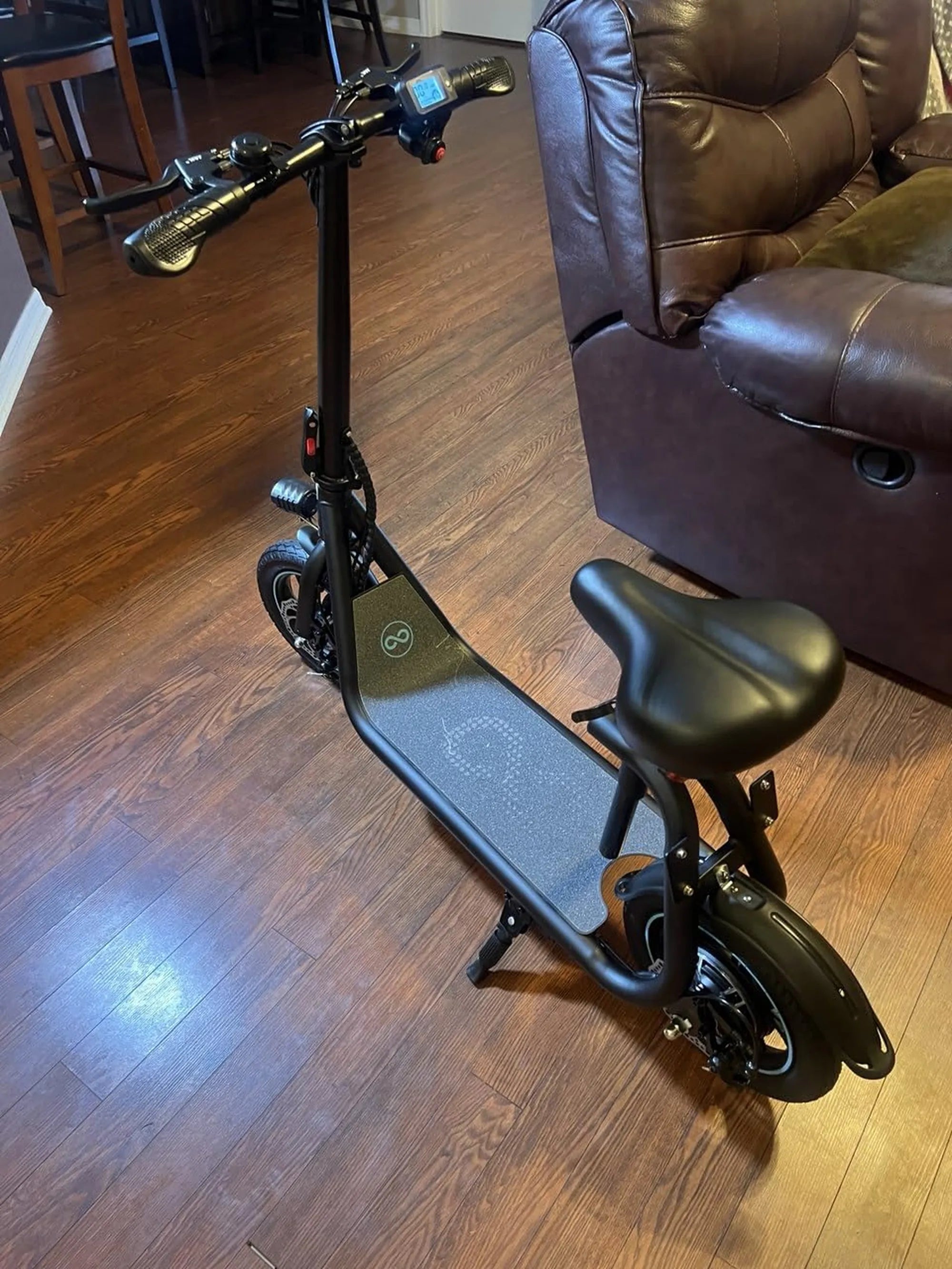
Ready to explore more powered riding options for your family? Just as precise sizing is key for dirt bikes, choosing the right electric scooter or e-bike depends on the rider's age, size, and intended use. Gyroor, a leading electric scooter and e-bike brand trusted by over 100,000 riders across North America and Europe, offers a range of UL-certified, reliable models perfect for teens and adults alike. For your next adventure on paved paths, consider their lineup known for IPX5 water-resistant designs and robust 1-year warranties. Browse the full Gyroor collection at gyroorboard.com to find the perfect electric ride for your family.
E-Bike Battery Maintenance Tips: The Ultimate Guide to Longevity & Performance
How Can I Make My Ebike Go Faster: Safe Upgrades & Technical Insights