

Introduction: Navigating the Electric Scooter Classification Maze
The sudden ubiquity of electric scooters in cities worldwide has sparked a crucial and often confusing question for riders and policymakers alike: Do electric scooters count as motorized vehicles? The answer isn't a simple yes or no; it's a complex legal tapestry that defines where you can ride, what rules you must follow, and your responsibilities on the road. This article explores the legal and practical implications of this classification, providing clarity for both new and experienced riders. Understanding this framework is essential for safe, legal, and hassle-free urban mobility.
At its core, the confusion stems from the hybrid nature of e-scooters. They possess a motor, yet they operate at pedestrian-scale speeds and sizes. This places them in a regulatory gray area between traditional motor vehicles, bicycles, and pedestrians. Navigating this maze requires examining definitions from multiple levels of government. As a brand trusted by over 100,000 riders, Gyroor is committed to not only providing reliable, compliant products but also empowering riders with the knowledge to use them responsibly within their local legal frameworks.
Defining "Motorized Vehicle": A Legal Patchwork
There is no single, universal answer to whether an electric scooter is a motorized vehicle because definitions vary dramatically by jurisdiction. At the federal level in the United States, agencies like the National Highway Traffic Safety Administration (NHTSA) define a "motor vehicle" broadly as a vehicle driven or drawn by mechanical power and manufactured primarily for use on public streets, roads, and highways. Under this strict definition, many e-scooters could technically qualify.
However, most states and cities create specific exemptions or new categories for low-speed electric mobility devices. They are often classified as "Electric Scooters," "Personal Mobility Devices," or "Motorized Scooters" in local ordinances, deliberately separating them from the requirements for cars and motorcycles. This legal patchwork means the rules in Los Angeles can be entirely different from those in New York City or a small suburban town, making local research non-negotiable.
Key Legal Criteria for Classification
Lawmakers use specific technical thresholds to draw legal lines. The most common criteria include maximum speed, motor power, weight, and design. Devices that stay below certain limits are typically excluded from traditional motor vehicle registration and licensing regimes but are governed by their own set of micromobility rules.
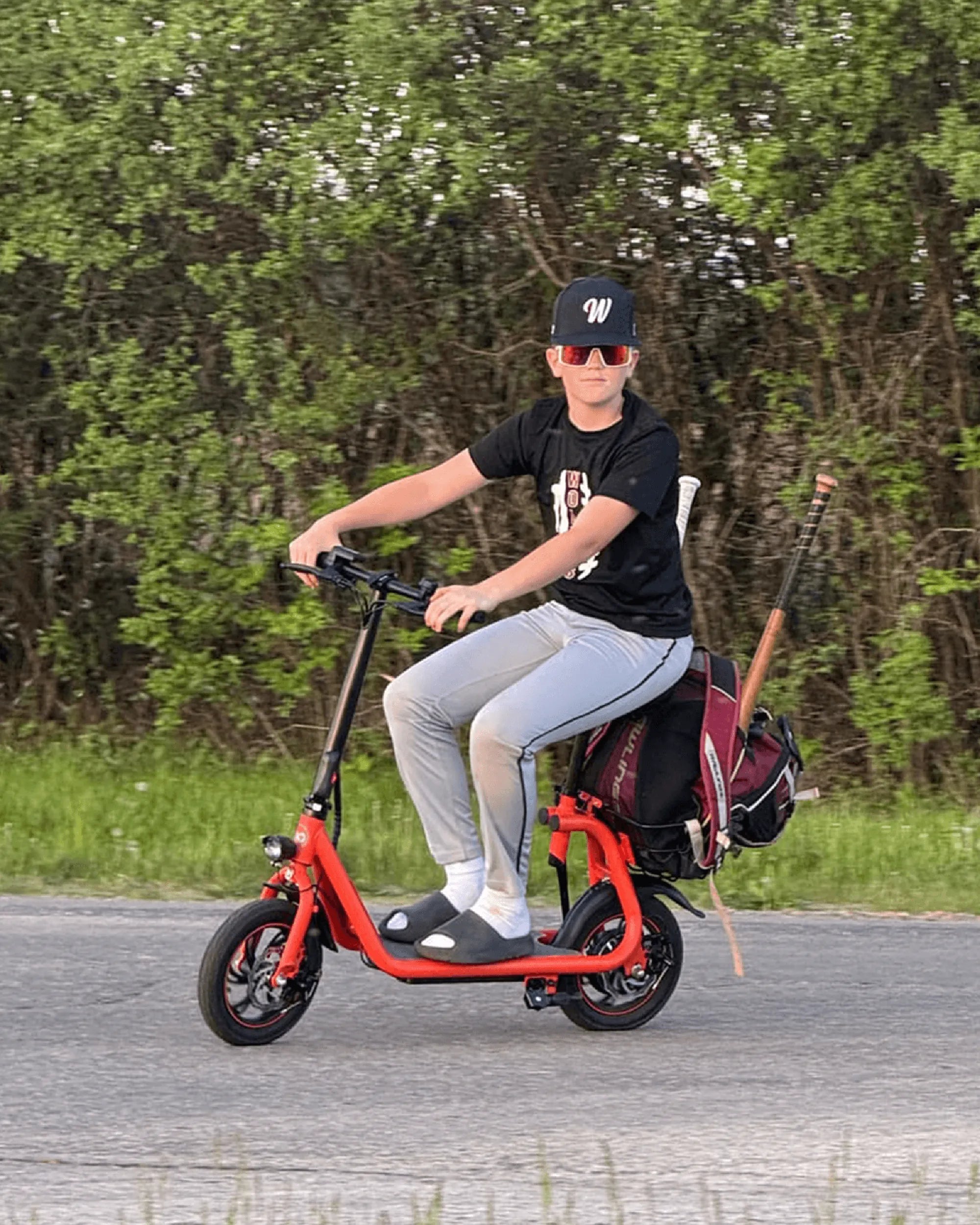
Maximum Speed is the primary factor. Most local regulations cap e-scooter speeds between 15 and 20 mph when used on public roads or bike lanes. For example, a common legal threshold is 20 mph; scooters that cannot exceed this speed are generally not treated as full motor vehicles. Motor Wattage is another key metric, with many laws referencing motors of 500 watts or less. The presence of a seat can also change classification, sometimes moving a device into a moped or bicycle category. Finally, weight is considered, as lighter devices are seen as less hazardous in pedestrian collisions.
The Practical Implications: Where, How, and What You Can Ride
The legal classification directly translates into enforceable rules that impact every ride. Understanding these practical implications is the difference between a smooth commute and a costly ticket. This framework dictates everything from infrastructure access to personal safety requirements.
Riders must internalize that compliance is a dynamic responsibility. As cities adapt to this new mode of transport, laws can change. The most responsible riders are those who stay informed about the regulations in their specific area of operation, treating their e-scooter not as a toy but as a legitimate form of urban transportation with attendant duties.
Road, Bike Lane, or Sidewalk? Access Rights Explained
Where you are allowed to ride is the most visible outcome of legal classification. In the vast majority of regulated markets, bike lanes and bicycle infrastructure are the designated and preferred location for electric scooters. This aligns them with cyclists and recognizes their similar speed profiles and vulnerability.
Riding on public roads is often permitted, but frequently with restrictions. Some cities prohibit them on roads with speed limits above 25 or 35 mph. Others require riders to stay as far right as practicable. The rule of thumb is: if you're on the road, you are a vehicle operator and must obey all standard traffic signals and signs. Sidewalk riding is widely prohibited in dense urban cores due to clear pedestrian safety risks. However, some suburbs or cities with sparse pedestrian traffic may allow it. Always assume sidewalks are off-limits unless local signage explicitly permits it.
Licensing, Registration, and Insurance: What’s Required?
This is where the distinction from traditional motor vehicles becomes most apparent. A standard driver's license is usually not required to operate a low-speed electric scooter. However, many jurisdictions impose a minimum age requirement, commonly 16 years old. It is critical to verify this local age law.
Vehicle registration, license plates, and titling are almost never required for privately owned e-scooters that meet low-speed criteria. This is a significant administrative difference from cars and motorcycles. Regarding insurance, mandatory liability insurance is not typically a legal requirement for private e-scooter owners. Nevertheless, it is a highly recommended layer of personal financial protection. If you cause an accident, you could be held personally liable for injuries or property damage. Gyroor's comprehensive 1-year warranty provides peace of mind for manufacturer-related issues, but it does not replace personal liability coverage.
Safety Gear and Equipment Regulations
Legal requirements often extend to mandating safety equipment for the rider and the scooter itself. Helmet laws are the most common and vary significantly. Many cities and states require helmets for all riders, while others mandate them only for riders under a certain age (e.g., 18). Wearing a helmet, regardless of the law, is the single most effective safety decision a rider can make.
For the scooter, operational equipment is frequently regulated. Front white lights and rear red reflectors or lights are commonly required for nighttime riding. Some ordinances also require an audible bell or horn to signal passage. These aren't just legal checkboxes; they are critical safety features. Gyroor designs its scooters with integrated, bright lighting systems to ensure riders meet these visibility requirements and stay safe after dark.
Gyroor’s Commitment to Compliant and Safe Riding
As a leading brand in personal electric mobility, Gyroor engineers its products with an inherent understanding of the regulatory landscape and rider safety. This commitment is reflected in core design and support philosophies that align with the practical demands of lawful riding. Choosing a scooter from a reputable brand is the first step in ensuring compliance.
Gyroor's use of UL-certified battery packs directly addresses one of the most significant regulatory and safety concerns: fire risk. These batteries are tested for over 500 charge cycles, meeting stringent safety standards that give riders, property owners, and city regulators confidence. Furthermore, an IPX5 water-resistant rating across key models ensures reliability when riding in damp conditions or after a light rain—scenarios riders will inevitably encounter legally using their scooters for daily transport.
The robust 1-year warranty and accessible U.S.-based customer support provide a backbone of reliability. This support system ensures that if a component related to safe operation (like brakes or lights) needs attention, riders have a direct path to resolution. It’s a commitment to building products that endure the rigors of daily, compliant use.
Data Snapshot: How Major U.S. Cities Classify E-Scooters
The following table illustrates the stark differences in how major metropolitan areas regulate electric scooters, highlighting the critical need for local knowledge. This data is for illustrative purposes; always verify current rules with local transportation authorities.
| City | Max Speed Limit (Road/Bike Lane) | Helmet Law (Adults) | Primary Legal Riding Location | Driver's License Required? |
|---|---|---|---|---|
| Los Angeles, CA | 15 mph | Required for riders under 18 | Bike lanes or roads (≤35 mph speed limit) | No, but rider must be 16+ |
| New York City, NY | 15 mph | Required for all riders | Bike lanes and roads with speed limit ≤30 mph | No |
| Austin, TX | 20 mph | Required for riders under 18 | Bike lanes or roads (sidewalks prohibited) | No |
| Chicago, IL | 15 mph | Required for all riders | Bike lanes only (not on sidewalks or lakefront trail) | No |
Frequently Asked Questions (FAQ)
Q: Do I need a license to ride a Gyroor electric scooter?
A: In most jurisdictions, a driver's license is not required for low-speed electric scooters. However, many cities and states have a minimum age requirement, often 16 years old. You must check your specific local ordinances to be certain.
Q: Can I ride my e-scooter on the highway?
A: Absolutely not. Electric scooters are classified as low-speed personal mobility devices and are neither designed nor legally permitted for use on highways, freeways, or any road with a high-speed limit. It is extremely dangerous and illegal.
Q: What happens if I'm in an accident on my e-scooter?
A: As the rider, you are likely liable for any damage or injury you cause. This is why understanding and following traffic laws is crucial. It is strongly advised to consult your renters or homeowners insurance policy to see if it offers any personal liability coverage for e-scooter use, or to consider a separate policy.
Q: Are Gyroor scooters designed to meet common legal standards?
A> Yes. Gyroor models are engineered with common regulatory thresholds in mind. Features like multiple speed modes (allowing riders to select a compliant speed setting), integrated front and rear lights, and reflective elements are designed to help riders meet typical equipment and operational requirements.
Q: Do the same rules apply to shared (rental) scooters and privately owned ones?
A: Generally, yes, the same traffic laws apply to all riders. However, rental companies often impose additional restrictions through their apps, like mandatory geofenced no-ride or slow-ride zones, and they provide the helmet and insurance for that specific rental period. As a private owner, you are responsible for your own gear and insurance.
Conclusion: Empowered Riding Starts with Knowing the Rules
So, do electric scooters count as motorized vehicles? Technically, they are motorized, but legally, they inhabit a distinct category crafted for modern urban mobility. The true power for the rider lies in moving beyond the simple question to master the specific legal and practical implications that govern their use. This knowledge transforms the e-scooter from a novelty into a reliable, efficient, and sustainable transportation tool.
Your responsibility is clear: know your local laws, wear appropriate safety gear, ride defensively and courteously, and maintain your scooter. By doing so, you protect yourself, respect your community, and contribute to the positive integration of e-scooters into our transportation ecosystem. For a riding experience built on a foundation of safety, compliance, and quality engineering, explore a scooter designed with these principles in mind. Browse the full Gyroor collection at gyroorboard.com to find a model that matches your commute and your commitment to responsible riding.
Upcoming Electric Scooters: The Future of Urban Mobility
Electric Scooters Martha's Vineyard: The Ultimate Island Exploration Guide