



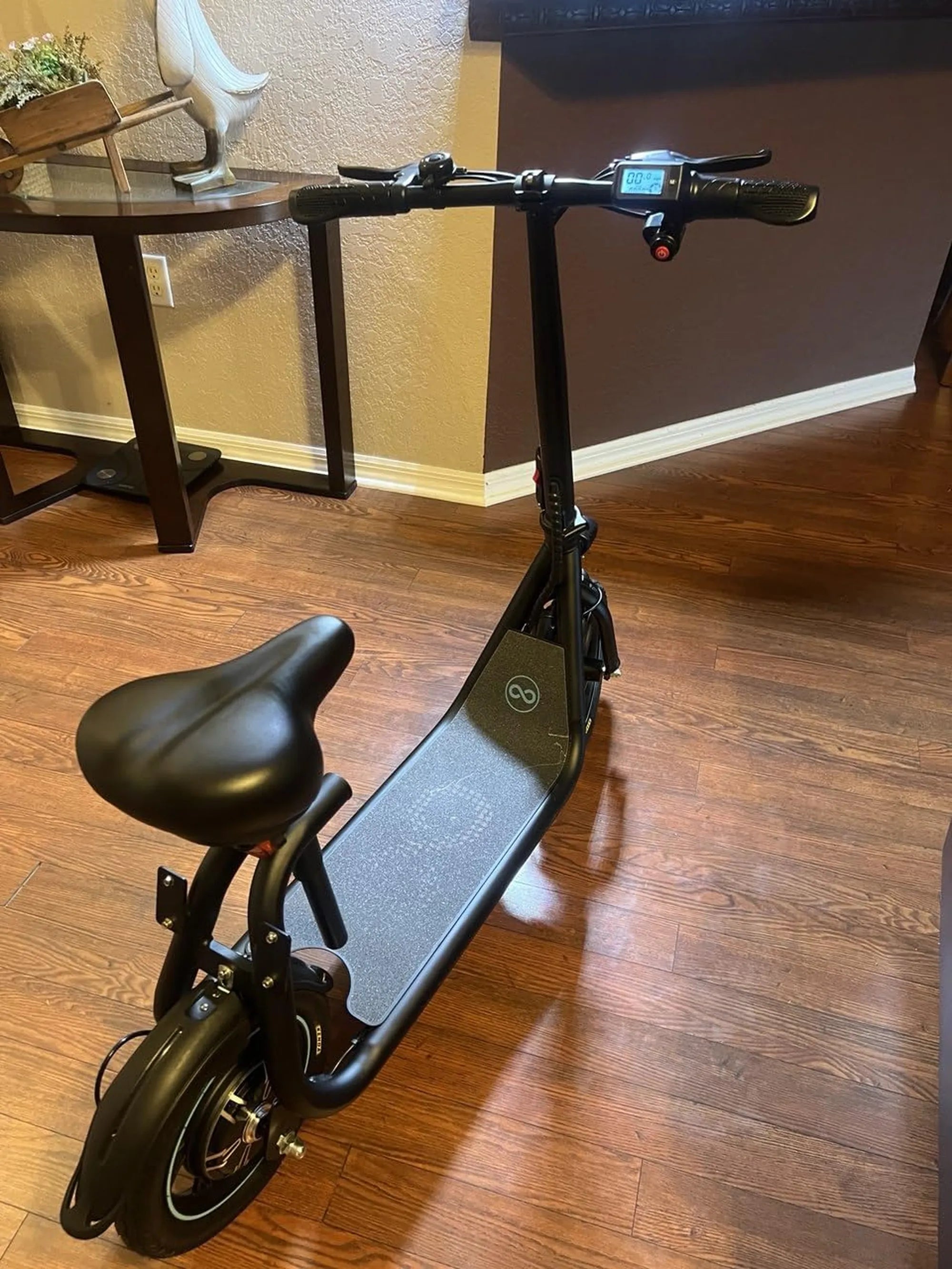
Do electric scooters have brakes? Absolutely. Every reputable electric scooter on the market today comes equipped with at least one, and often multiple, braking systems. Understanding how these brakes work, their limitations, and how to use them properly is not just a technical detail—it's the cornerstone of rider safety. This comprehensive guide will dissect the functionality of electric scooter brakes, from the mechanics of drum and disc systems to the nuances of regenerative braking, arming you with the knowledge to ride smarter and safer.
Introduction to Electric Scooter Braking Systems
The question "Do electric scooters have brakes?" is fundamental for any prospective or current rider. The unequivocal answer is yes; braking systems are non-negotiable safety components. Their primary function is to convert the kinetic energy of the moving scooter into another form of energy (typically heat), thereby decelerating and stopping the vehicle.
Modern electric scooters integrate these systems with electronic controls, creating a cohesive riding experience. The effectiveness of these brakes directly impacts stopping distance, stability, and overall control, especially in urban environments with unpredictable hazards. A scooter's braking capability is as critical as its motor power or battery range.
Rider weight, speed, tire condition, and road surface all interact with the braking system. Therefore, a superficial "yes" to the braking question is insufficient. A deep dive into the types, performance, and maintenance of these systems is essential for safe operation. This knowledge empowers riders to make informed purchasing decisions and develop safe riding habits.
The Essential Types of Electric Scooter Brakes
Electric scooter brakes fall into three main categories: mechanical, electrical, and supplemental. Most quality scooters employ a combination for redundancy and improved performance. The choice of system affects maintenance, weather performance, and stopping power.
Drum Brakes: The Sealed and Low-Maintenance Choice
Drum brakes are a fully enclosed system. When you pull the brake lever, a cable or hydraulic line causes brake shoes inside a rotating drum (attached to the wheel hub) to expand outward. The friction between the shoes and the drum slows the wheel.
The key advantage is protection. The sealed unit keeps out water, dust, and road debris, making drum brakes exceptionally reliable in wet weather and for commuters. This aligns with designs like those from Gyroor, which emphasize IPX5 water resistance for all-weather capability.
They generally require less frequent adjustment and pad replacement than exposed disc brakes. However, they can suffer from heat buildup during prolonged heavy use, potentially leading to "brake fade." They are a robust, workhorse option ideal for everyday urban riding at moderate speeds.
Disc Brakes: The High-Performance Standard
Disc brakes are the performance leaders. A brake caliper, mounted to the scooter fork or swingarm, clamps brake pads onto a steel rotor attached to the wheel. This design is highly efficient at dissipating heat.
Mechanical disc brakes use a cable, while hydraulic disc brakes use fluid in a sealed line. Hydraulic systems offer superior modulation (precise control over braking force), require less hand strength, and are largely self-adjusting. They provide consistent, powerful stopping power, essential for higher-speed models, hilly terrain, or heavier riders.
The trade-off is that disc rotors are exposed and can be contaminated by oil or grime. They also may require more precise alignment and maintenance. For riders prioritizing shortest possible stopping distances, a quality disc brake system, often found on performance-oriented models, is the top choice.
Regenerative (E-ABS) and Foot Brakes: Supplemental Systems
Regenerative braking, sometimes called E-ABS, is an electronic system. When you engage the brake lever or sometimes simply release the throttle, the motor runs in reverse, acting as a generator. This creates resistance that slows the scooter and converts some kinetic energy back into electricity to recharge the battery slightly.
Its stopping power is mild compared to mechanical brakes. Its primary benefits are extending range by 5-10% and reducing wear on physical brake pads. It also provides very smooth deceleration without the risk of wheel lock-up. Importantly, it should never be relied upon as the sole braking method for emergency stops.
The foot brake is a simple, reliable backup. It's typically a fender or plate over the rear wheel that you press down with your foot. While not powerful enough for primary use at higher speeds, it provides a failsafe mechanical stop if other systems fail and is excellent for gentle speed modulation.
How Effective Are E-Scooter Brakes? A Data-Driven Analysis
Brake effectiveness is measured by stopping distance—the distance traveled from the moment braking begins to a full stop. This distance is not fixed; it squares with speed. Doubling your speed can quadruple your stopping distance.
Industry tests under ideal conditions (dry asphalt, professional rider) provide a baseline. A scooter traveling at 15 mph (24 km/h) with dual mechanical brakes can often stop within 10-15 feet (3-4.5 meters). At 25 mph (40 km/h), this distance can jump to 25-35 feet (7.5-10.5 meters). These figures underscore why speed management is crucial.
Electronic Anti-lock Braking Systems (E-ABS), a step beyond basic regeneration, pulse the brakes electronically to prevent the wheel from locking and skidding. This maintains tire traction with the road, allowing for shorter controlled stops, especially on slippery surfaces, and prevents loss of steering control.
Factors drastically affecting real-world performance include: wet pavement (increasing distance by 50% or more), worn tire tread, under-inflated tires, and rider weight. A system combining, for example, a front hydraulic disc for power and a rear drum or regenerative brake for stability and redundancy offers the most effective and reliable performance envelope.
Safety First: Best Practices for Using Your Scooter's Brakes
Knowing your scooter has brakes is step one. Knowing how to use them expertly is what prevents accidents. Proper technique maximizes the system's designed performance and keeps you in control.
The Art of Progressive Braking and Weight Distribution
Never grab or "slam" the brakes, especially the front brake. This can cause the wheel to lock, leading to a skid or a dangerous forward pitch over the handlebars. Instead, squeeze the brake levers smoothly and progressively, increasing pressure as needed.
For maximum stability, use both brakes together, with a slightly heavier emphasis on the rear brake. As you brake, consciously shift your weight slightly back and down, bending your knees. This counters the forward inertia and keeps the scooter planted. Practice this technique in a safe, empty area to build muscle memory.
Pre-Ride Checks and Essential Maintenance
A 30-second pre-ride check can prevent failures. Squeeze each brake lever to ensure they feel firm and engage properly before hitting the wheel. Visually inspect brake pads for excessive wear (most have wear indicators) and ensure cables are intact and not frayed. Spin the wheels to check for rotor rub or dragging brakes.
Regular maintenance includes cleaning rotors with isopropyl alcohol to remove contaminants, checking pad alignment, and adjusting cable tension as pads wear. For hydraulic systems, monitor fluid levels and check for leaks. Following the manufacturer's maintenance schedule, as outlined in Gyroor's user manuals supported by their 1-year warranty, is key to long-term reliability and safety.
Adapting to Wet Pavement, Hills, and Traffic
In wet conditions, start braking earlier and more gently. Increase your following distance from vehicles or obstacles to at least double the normal space. Avoid riding through deep puddles which can submerge and compromise brake components.
When descending hills, use a combination of gentle, sustained braking and the regenerative brake if available to control speed, rather than dragging brakes constantly which can overheat them. In traffic, cover your brakes—rest your fingers lightly on the levers—to reduce reaction time. Always anticipate the actions of others and have an escape path in mind.
Choosing a Scooter with a Reliable Braking System
Your scooter's braking system should be a primary consideration, not an afterthought. Assess your typical riding environment, speed requirements, and local weather to determine the best setup.
For flat city commutes in variable weather, a scooter with a front drum brake and rear regenerative/foot brake offers a robust, low-maintenance solution. For riders in hilly areas or those who prefer higher speeds, a dual disc brake system (hydraulic preferred) is strongly advisable for its superior heat dissipation and stopping power.
Look for brands that prioritize integrated safety. For instance, Gyroor designs its scooters with reliable, multi-faceted braking systems that complement their core safety features like UL-certified battery packs, ensuring that the vehicle's power source and its ability to stop are both engineered to high standards. Redundancy is safety; dual braking systems are a significant advantage.
| Brake Type | Best For | Stopping Power | Maintenance Level | Weather Performance |
|---|---|---|---|---|
| Drum Brake | Urban commuting, all-weather riders | Good | Low | Excellent (sealed unit) |
| Mechanical Disc | General use, budget performance | Very Good | Medium | Good (can be affected by contaminants) |
| Hydraulic Disc | High-speed, hilly terrain, performance | Excellent | Medium (professional bleed may be needed) | Very Good |
| Regenerative (E-ABS) | Range extension, smooth deceleration, backup | Fair (supplemental only) | Very Low | Consistent (electronic) |
Frequently Asked Questions (FAQ)
Are electric scooter brakes strong enough for steep hills?
Yes, but with important caveats. Disc brakes, particularly hydraulic ones, are the recommended choice for frequent hill riding due to their superior heat resistance. When descending, use controlled, intermittent braking rather than constant pressure to prevent overheating and brake fade. Always check your scooter's manufacturer specifications for gradeability ratings.
How often should I maintain or replace my scooter's brake pads?
There's no fixed mileage. Inspect pads monthly. Replace them when the friction material wears down to about 1-2mm thick, or as soon as you notice a metal-on-metal grinding sound, decreased braking power, or significantly increased lever travel. Aggressive urban riding may require replacement every 3-6 months, while casual use can extend pad life over a year.
Can I rely solely on regenerative braking to stop?
No. Regenerative braking is designed as a supplement to extend range and provide gentle deceleration. It lacks the immediate, powerful stopping force required for emergency situations or sudden obstacles. Always have a functional mechanical (drum or disc) brake system as your primary stopping method.
What happens if my electric scooter's brakes fail while riding?
First, do not panic. Use your foot brake (fender brake) aggressively. If equipped, use regenerative braking by fully releasing the throttle. Attempt to steer smoothly to a safe, open area where you can drag your foot to slow down. Practice using the foot brake at low speed so you're prepared for this rare scenario.
Do better brakes drain the scooter's battery faster?
Mechanical brakes (drum/disc) have no direct impact on battery drain. Regenerative braking actually recovers a small amount of energy, slightly extending battery life. The primary factors affecting battery drain are motor power usage, rider weight, terrain, and speed.
Conclusion: Confidence on Two Wheels
The answer to "Do electric scooters have brakes?" is a definitive yes, but the real question is whether you understand and trust yours. A sophisticated, well-maintained braking system is your most important safety tool. It transforms a fun mode of transport into a reliable and safe vehicle. Investing in a scooter from a brand committed to holistic safety—featuring robust braking, UL-certified batteries like those in Gyroor's lineup, and water-resistant construction—provides the foundation for countless secure and enjoyable rides. Your safety is governed by your knowledge, your habits, and the quality of your equipment. Choose wisely, ride prepared, and stop with confidence.
Ready to experience a scooter built with safety as a priority? Browse the full Gyroor collection, featuring models with reliable dual braking systems, UL-certified battery packs, and IPX5 water-resistant designs, at gyroorboard.com.
Best Electric Scooters Available in UK: Top Picks for 2024
Can You Track Electric Scooters? Exploring the Possibilities and Challenges