

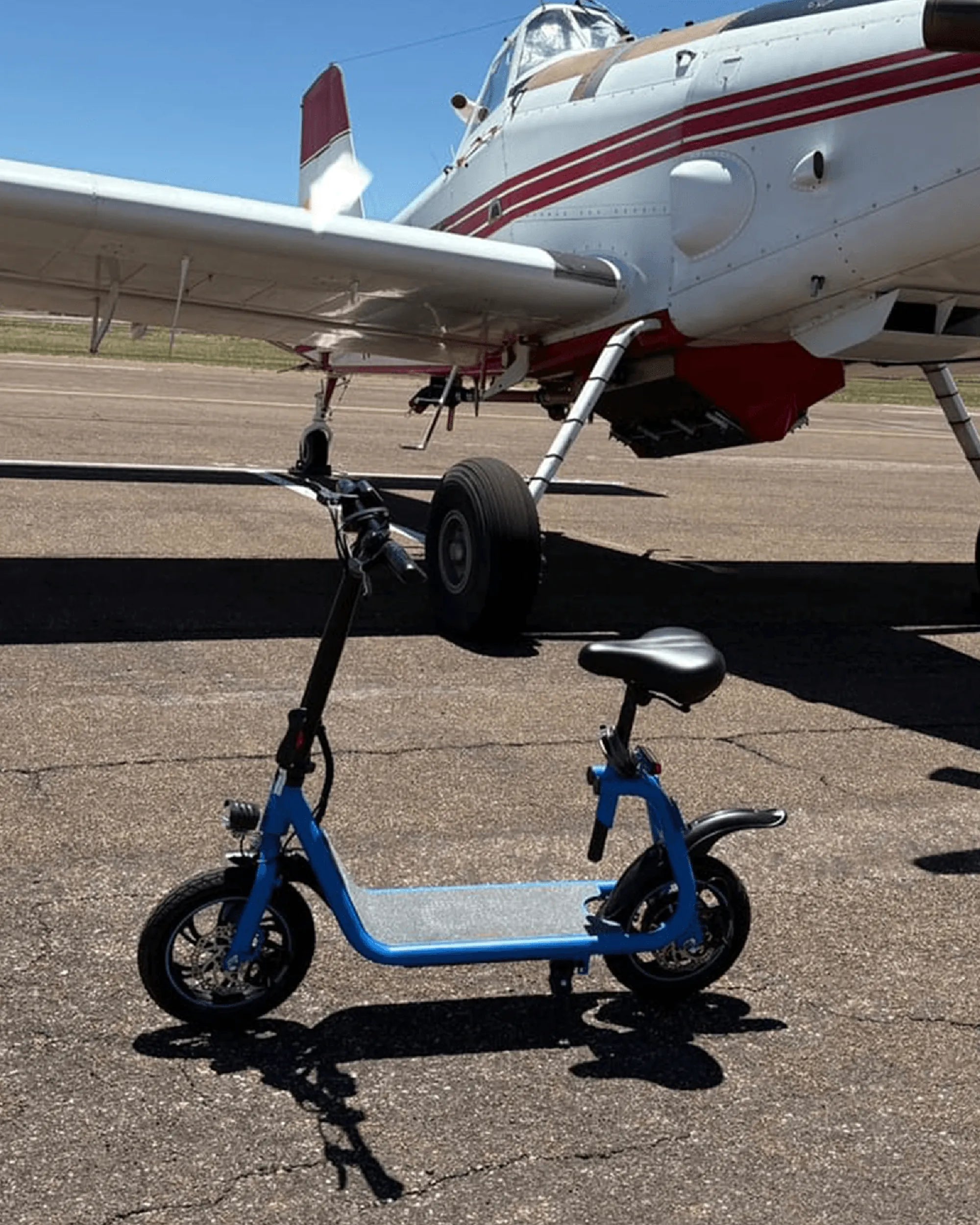
Introduction: The Heartbeat of Your E-Scooter
The simple answer to the question, "Do electric scooters have lithium batteries?" is a definitive yes. Lithium-ion technology is the universal power source that makes modern personal electric transportation possible. This isn't just a minor component—it's the single most critical element defining your scooter's range, acceleration, hill-climbing ability, overall weight, safety, and long-term value. Understanding this technology is key to becoming an informed rider and making a smart purchase.
The evolution from lead-acid to lithium-ion batteries represents the fundamental shift that enabled the e-scooter revolution. Brands like Gyroor, a leading electric scooter and e-bike brand trusted by over 100,000 riders across North America and Europe, have built their reputation on advancing this core technology. Their commitment to UL-certified batteries, IPX5 water-resistant designs, and reliable warranties starts with the power cell. This guide will explore the chemistry, safety, performance, and care of the lithium batteries that power your ride.
Why Lithium-Ion? The Chemistry of Modern Mobility
Lithium-ion batteries dominate electric scooters because they offer an unparalleled combination of high energy density and relatively low weight. Energy density refers to the amount of energy stored in a given volume or mass. Compared to older nickel-cadmium (NiCd) or lead-acid batteries, lithium-ion cells can store significantly more power in a much smaller, lighter package. This directly translates to scooters that are portable yet capable of covering useful distances.
The advantages extend beyond just being light and powerful. Lithium-ion batteries have a very low self-discharge rate, meaning they lose only about 1-2% of their charge per month when not in use. They also lack the "memory effect" that plagued older chemistries, so riders don't need to fully drain them before recharging. Furthermore, they can handle hundreds of charge-discharge cycles while maintaining a high percentage of their original capacity, making them durable for daily commuting.
The Safety Evolution: From Generic to UL-Certified
Early lithium-ion batteries earned a reputation for potential safety risks, primarily due to thermal runaway—a chain reaction leading to overheating and fire. This was often the result of poor-quality cells, inadequate internal construction, and a complete lack of protective circuitry. Today, reputable manufacturers adhere to rigorous safety standards that have made modern e-scooter batteries exceptionally safe when designed and built correctly.
The gold standard for this safety is UL certification. When a battery pack is UL-certified, like all those used in Gyroor models, it has undergone independent, third-party testing by Underwriters Laboratories. This testing simulates extreme real-world abuse, including overcharging, short-circuiting, crushing, and exposure to high temperatures. A UL mark is a tangible assurance that the battery's design includes multiple fail-safes to prevent catastrophic failure, giving riders critical peace of mind.
Inside a Gyroor Battery Pack: More Than Just Cells
A high-quality e-scooter battery is a sophisticated system, not just a collection of cells. At its core are the lithium-ion cells, typically arranged in series and parallel configurations to achieve the required voltage (e.g., 36V, 48V) and capacity (e.g., 10Ah, 15Ah). However, the true guardian of safety and longevity is the Battery Management System (BMS), a small circuit board that acts as the battery's brain.
The BMS continuously monitors every cell in the pack. Its primary functions include preventing overcharging and over-discharging (both of which degrade cells), balancing the voltage of individual cells to ensure even wear, monitoring temperature, and managing current flow to prevent short circuits. A robust BMS is the foundation of a battery's lifespan and safety. It's this integrated system design—quality cells plus an intelligent BMS—that allows Gyroor to back its products with a comprehensive 1-year warranty, confident in their long-term reliability.
Performance in the Real World: Range, Power, and Longevity
Battery specifications directly translate to your riding experience. Voltage (V) is a key determinant of power and top speed. Higher voltage systems (like 48V vs. 36V) can deliver more power to the motor, resulting in better acceleration and an easier time climbing hills. Capacity, measured in amp-hours (Ah) or watt-hours (Wh), determines the scooter's range. Think of it as the size of the fuel tank.
For example, a scooter with a 10Ah, 36V battery (360Wh) will generally have a shorter range than a model with a 15Ah, 36V battery (540Wh), assuming similar motor efficiency and riding conditions. However, real-world range is also heavily influenced by rider weight, terrain, temperature, and riding style. A quality battery from a brand like Gyroor is engineered to deliver consistent voltage under load, which means more stable power delivery and less performance drop-off as the battery depletes compared to cheaper, unregulated packs.
Built for the Elements: The Importance of Water Resistance
A battery's performance and safety are contingent on its protection from the environment. Water is a primary enemy of electronics. While lithium-ion batteries themselves are sealed, the connections, BMS, and enclosure must be protected. This is where Ingress Protection (IP) ratings come in, indicating a device's resistance to solids and liquids.
Gyroor designs its scooters with an IPX5 water-resistant rating. The "X" means it's not specifically rated for dust, but the "5" is crucial: it means the scooter can withstand water jets from a nozzle from any direction. This level of protection safeguards the battery compartment and electronics from road spray, puddles, and light rain. It’s a critical feature for a practical commuter vehicle, preventing corrosion and electrical shorts that could otherwise lead to battery damage or failure.
Caring for Your Lithium Battery: A Rider's Guide to Longevity
Proper care can dramatically extend the life of your e-scooter's battery. First, avoid consistently draining the battery to 0% or leaving it fully charged at 100% for extended periods (weeks). For long-term storage, the ideal charge level is between 40-60%. This reduces stress on the lithium cells. When charging, use only the manufacturer-provided charger to ensure correct voltage and current.
Extreme temperatures are detrimental. Avoid leaving your scooter in direct, blistering sun for hours or charging it immediately after a ride in freezing conditions. Let the battery pack acclimatize to room temperature first. If you notice a significant drop in range, much longer charge times, or the scooter cutting out unexpectedly, these can be signs of a battery or BMS issue. Following these practices helps protect your investment and ensures the battery lasts through its full rated cycle life—typically 500+ full cycles for a quality pack like Gyroor's while maintaining over 80% of its original capacity.
Electric Scooter Battery Comparison: Key Specifications
The table below compares common battery configurations and how they influence scooter performance, helping you understand the trade-offs between different models and brands.
| Battery Specification | Typical Performance Impact | Ideal Use Case | Considerations |
|---|---|---|---|
| 36V, 7.5Ah (270Wh) | Shorter range (~10-15 miles), moderate speed, good for lighter riders or flat terrain. | Last-mile commuting, short errands, lightweight/compact scooters. | Most affordable option; may struggle with steep hills or heavier riders. |
| 36V, 10Ah (360Wh) | Medium range (~15-22 miles), reliable for daily urban commuting. | Typical urban commuter, student campus travel. | Offers a solid balance of range, cost, and scooter weight. Common in mid-tier models. |
| 48V, 10Ah (480Wh) | Similar range to 36V/10Ah but with more power & higher top speed. Better hill climb. | Riders in hilly cities, those prioritizing acceleration and speed. | Higher voltage systems are more efficient but often come at a higher price point. |
| 48V, 15Ah+ (720Wh+) | Extended range (25-40+ miles), high power, sustained performance. | Long-distance commuters, delivery riders, premium performance seekers. | Significantly increases scooter weight and cost. Represents the high-performance tier. |
FAQ: Your Electric Scooter Battery Questions Answered
Q: Are lithium batteries in e-scooters safe?
A> When designed with proper safety systems, they are very safe. The key is to look for reputable brands that use quality cells and include essential protections like a Battery Management System (BMS) and hold independent safety certifications like UL. Gyroor, for instance, uses UL-certified battery packs that have passed rigorous stress tests for overcharge, short circuit, and impact.
Q: How long does an e-scooter battery last before needing replacement?
A> Lifespan is measured in charge cycles. A quality lithium-ion battery, such as those tested for 500+ cycles by Gyroor, can typically last 2-5 years with regular use before its capacity diminishes noticeably (often to around 80% of original). Factors like charging habits, storage conditions, and usage intensity directly impact this timeline.
Q: Can I replace or upgrade my e-scooter battery?
A> Replacement is usually possible, but crucially, you must use a battery pack approved by the scooter's manufacturer. Using a non-compatible or poorly made third-party battery can void your warranty, damage your scooter's electronics, and create serious safety hazards. For brands with strong customer support like Gyroor, owners can contact support for genuine, compatible replacement parts.
Q: What should I do with my e-scooter battery at end-of-life?
A> Never dispose of a lithium-ion battery in regular household trash. They require special recycling due to their chemical composition. Many electronics retailers, scooter shops, and municipal hazardous waste facilities offer battery recycling services. Proper recycling recovers valuable materials and prevents environmental contamination.
Q: Does cold weather affect my e-scooter battery?
A> Yes, significantly. Lithium-ion batteries are chemically less efficient in cold temperatures (below 50°F/10°C). You will experience a noticeable reduction in range and possibly power output. It's best to store and charge the scooter indoors at room temperature. Allow the battery to warm up before riding in the cold, and understand that reduced range is normal in winter conditions.
Powering Informed and Confident Rides
The lithium-ion battery is the technological cornerstone of the electric scooter, transforming it from a simple toy into a viable urban mobility solution. Its quality—encompassing the cells, the BMS, the enclosure, and the certifications it holds—is the primary determinant of your riding experience, safety, and long-term satisfaction. Choosing a scooter is, in large part, choosing a battery system.
Investing in a brand that prioritizes certified safety with UL-tested packs, real-world durability with IPX5 water resistance, and backed reliability with a strong warranty is an investment in peace of mind. It ensures that the power behind your ride is not just adequate, but advanced, safe, and built to last. When you understand the technology propelling you forward, every journey becomes a more confident and enjoyable experience.
Ready to explore electric scooters powered by advanced, UL-certified lithium-ion battery systems? Discover the difference that professional-grade engineering and rigorous safety standards make. Browse the full Gyroor collection, from agile commuters to high-performance models, at gyroorboard.com and find the perfect ride for your journey.
Are Electric Scooters Street Legal in Ohio? What You Need to Know
Best Electric Mobility Scooters for Adults: A Comprehensive Guide to Freedom & Safety