



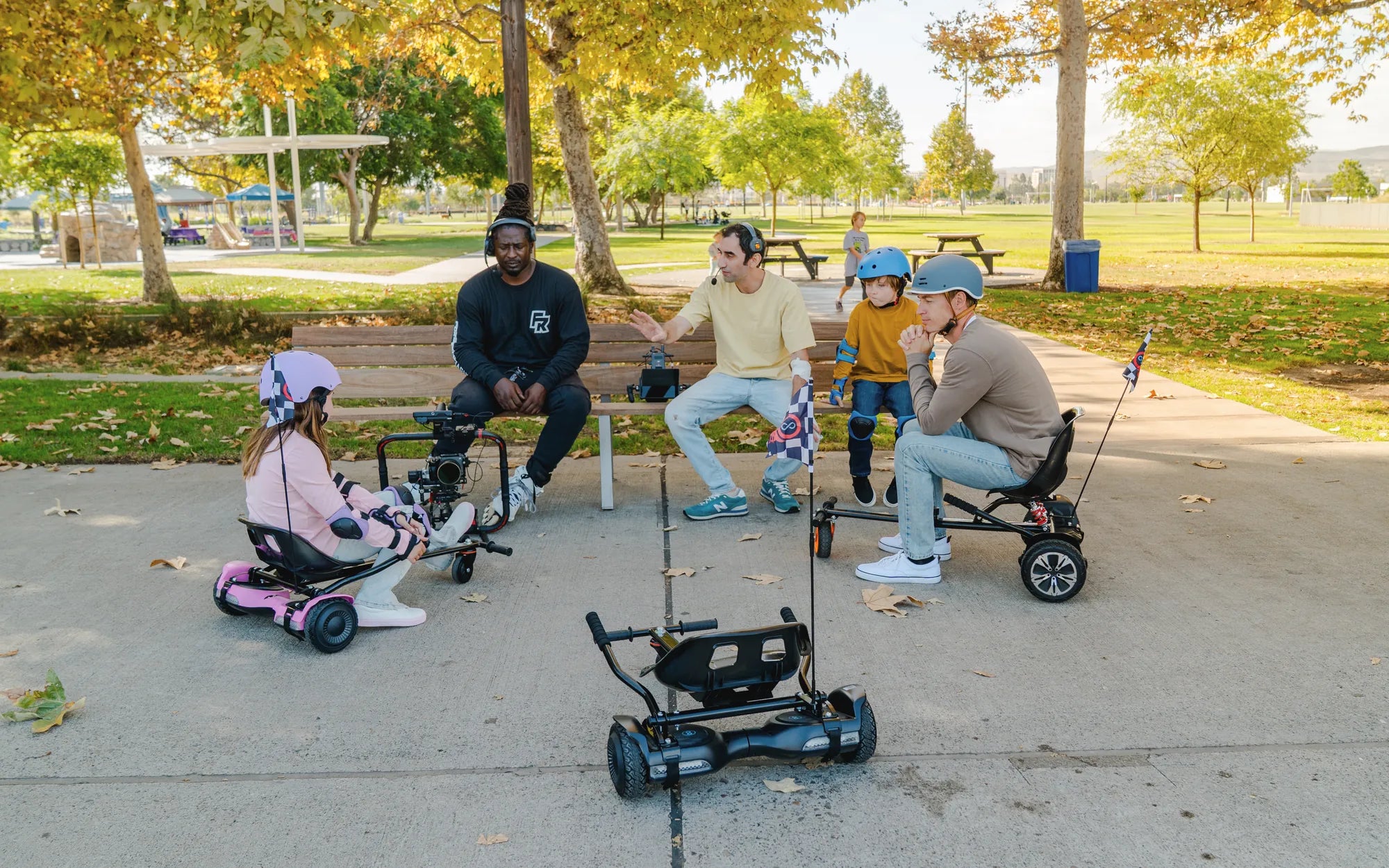
Hoverboards have taken the world by storm, offering a futuristic way to glide effortlessly from one place to another. But have you ever stopped to wonder how these sleek, self-balancing devices actually work? The answer lies in their power source—batteries. Without them, hoverboards wouldn’t be able to move an inch. Let’s dive into the details of why batteries are essential and what makes them tick.
How Do Hoverboards Function?
Hoverboards operate using a combination of sensors, motors, and, most importantly, batteries. The self-balancing mechanism relies on gyroscopic sensors that detect shifts in weight, while electric motors power the wheels to move forward, backward, or turn. All of this requires a steady and reliable energy source—typically a rechargeable lithium-ion battery.
Why Are Batteries Necessary for Hoverboards?
Without batteries, hoverboards would be nothing more than stationary platforms. The battery provides the electricity needed to run the motors and sensors, allowing the device to respond to user input. Most hoverboards use high-capacity lithium-ion batteries because they offer a good balance between weight, energy density, and rechargeability.
Types of Batteries Used in Hoverboards
While lithium-ion batteries are the most common, some older or budget models may use lead-acid batteries. However, these are heavier and less efficient. Lithium-ion batteries are preferred for their lightweight design and ability to hold a charge for extended periods.
How Long Do Hoverboard Batteries Last?
The lifespan of a hoverboard battery depends on usage and maintenance. On average, a fully charged battery can last between 1 to 2 hours of continuous riding. Over time, battery performance may degrade, but proper care—such as avoiding overcharging and extreme temperatures—can extend its life.
Signs Your Hoverboard Battery Needs Replacement
If your hoverboard struggles to hold a charge or takes longer to recharge, it might be time for a new battery. Other warning signs include reduced speed or sudden power cuts while riding.
Are There Battery-Free Hoverboards?
Despite advancements in technology, true battery-free hoverboards don’t exist yet. Some prototypes use magnetic levitation, but these are still in experimental stages and not commercially available. For now, batteries remain the only practical power source for hoverboards.
Tips for Maintaining Your Hoverboard Battery
To get the most out of your hoverboard’s battery, follow these tips:
- Avoid overcharging—unplug once fully charged.
- Store in a cool, dry place away from direct sunlight.
- Charge the battery at least once every few weeks if not in use.
Hoverboards may seem like magic, but their functionality hinges on something as simple as a battery. Whether you’re a seasoned rider or just curious about how these devices work, understanding their power source is key. So the next time you hop on a hoverboard, you’ll know exactly what keeps it moving—and how to keep it running smoothly for years to come.
E Scooter Sound: The Hidden Impact of Noise Pollution on Urban Life
Has Anyone Invented a Hoverboard? The Truth Behind the Futuristic Dream