



Remember when hoverboards first zipped into our lives, promising a futuristic way to glide effortlessly? These self-balancing scooters became an instant sensation, blending cutting-edge technology with a dash of sci-fi fantasy. But as the years have passed, do hoverboards still captivate us, or have they faded into obscurity? Let’s take a deep dive into their journey, from their rise to their current standing in the world of personal transportation.
The Rise of Hoverboards
Hoverboards burst onto the scene in the early 2010s, quickly becoming a must-have gadget. Their sleek design and intuitive controls made them a hit among tech enthusiasts and casual users alike. Celebrities were spotted riding them, viral videos flooded social media, and for a brief moment, it seemed like everyone wanted one. But what exactly made them so appealing?
The allure of hoverboards lay in their simplicity. Unlike traditional skateboards or scooters, they required no pushing or kicking—just a slight shift in body weight to move forward, backward, or turn. This made them accessible to a wide audience, from kids to adults. Plus, their futuristic vibe tapped into our collective fascination with levitation and effortless mobility.
The Technology Behind Hoverboards
At their core, hoverboards are powered by a combination of gyroscopes, accelerometers, and electric motors. These components work in harmony to detect the rider’s movements and adjust the wheels accordingly. The result? A smooth, responsive ride that feels almost magical.
Early models faced criticism for safety issues, including overheating batteries and sudden stops. However, advancements in technology have addressed many of these concerns. Modern hoverboards feature improved battery life, better stability, and even smart connectivity, allowing riders to track speed, battery levels, and more via smartphone apps.
Cultural Impact and Popularity
Hoverboards didn’t just revolutionize personal transportation—they became a cultural phenomenon. From appearing in music videos to being featured in blockbuster movies, they cemented their place in pop culture. Their influence extended beyond entertainment, inspiring innovations in other personal mobility devices.
Despite their initial hype, hoverboards faced challenges. Safety recalls and regulatory scrutiny dampened their momentum, and the market became saturated with low-quality imitations. Yet, for many, hoverboards remain a symbol of innovation and fun, evoking nostalgia for a time when the future felt within reach.
Are Hoverboards Still Relevant Today?
In a world increasingly focused on sustainability and eco-friendly transportation, hoverboards have found a niche. They’re emission-free, compact, and perfect for short commutes. While they may not dominate headlines as they once did, they’ve evolved into a reliable option for urban mobility.
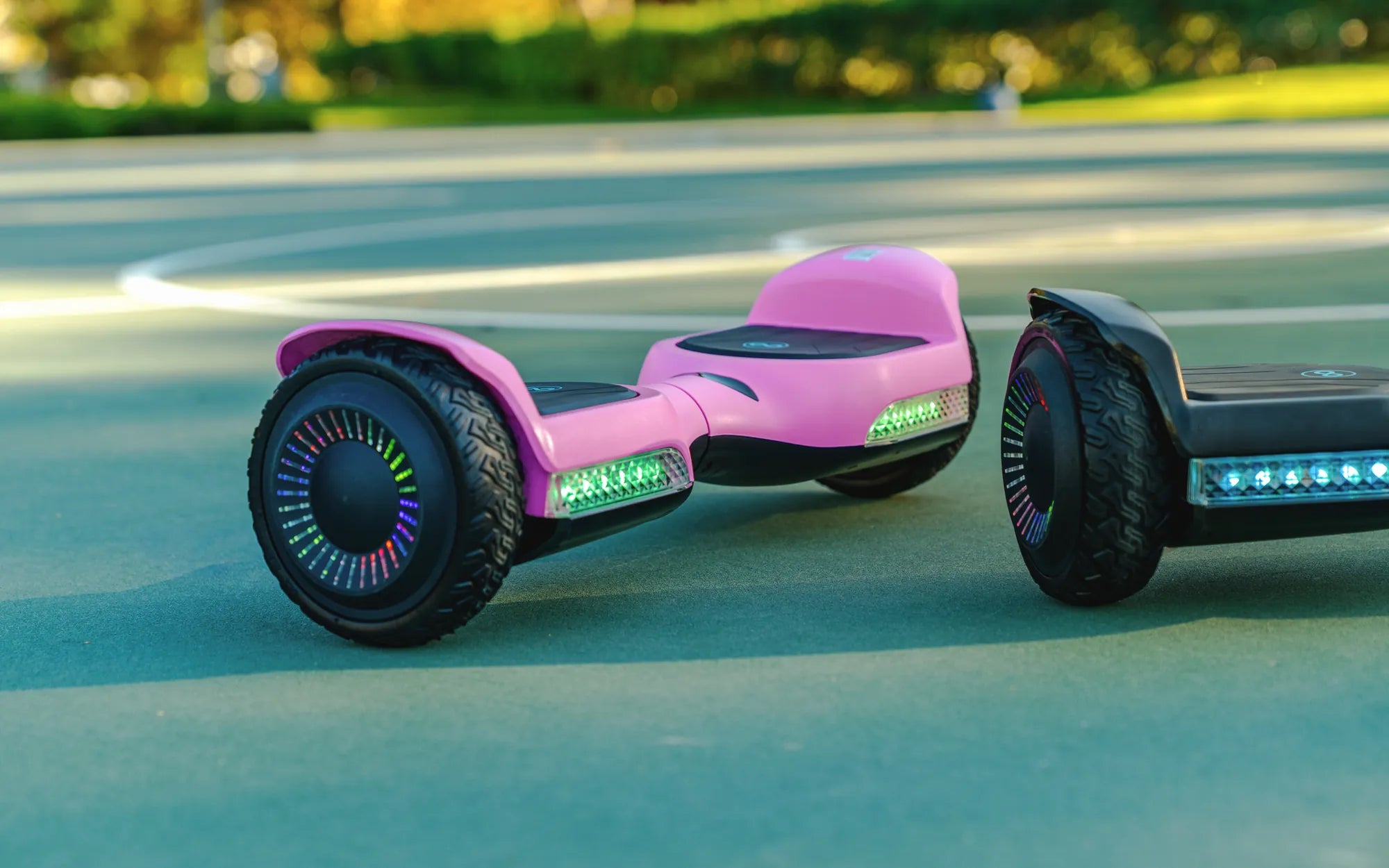
Newer models boast enhanced features like all-terrain wheels, LED lights, and longer battery life, catering to a broader range of users. Whether for recreation or practical use, hoverboards continue to offer a unique blend of convenience and excitement.
So, do hoverboards still capture our imagination? Absolutely. They may no longer be the shiny new toy they once were, but their legacy endures. Whether you’re a longtime fan or a curious newcomer, there’s never been a better time to rediscover the thrill of gliding on air—or at least, feeling like you are.
Hoverboard Charger Bluetooth: The Ultimate Guide to Smart Charging and Connectivity
Hoverboard Charger Bluetooth: The Ultimate Guide to Smart Charging and Connectivity