


Electric bikes have surged in popularity, offering a blend of convenience, sustainability, and fun. But one question lingers in the minds of potential riders: Do I have to pedal an electric bike? The answer isn't as straightforward as you might think. Whether you're a fitness enthusiast or someone looking for an easier commute, understanding how e-bikes function will help you make the most of your ride.
How Electric Bikes Work
Electric bikes, or e-bikes, are equipped with a motor and battery that provide assistance while riding. There are three main types of e-bikes:
- Pedal-Assist (Pedelec): The motor only engages when you pedal, offering varying levels of assistance.
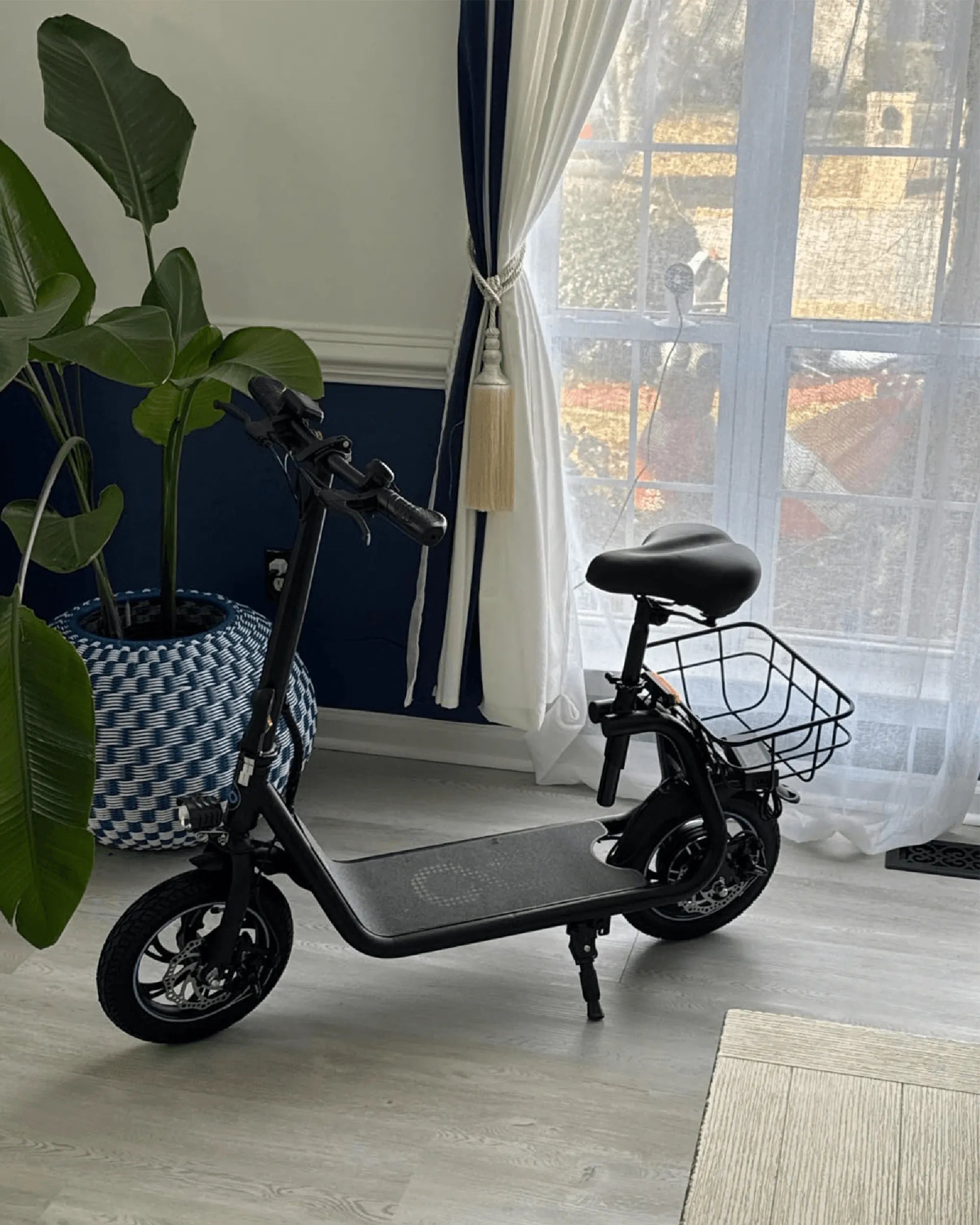
- Throttle-Controlled: The motor can propel the bike without pedaling, similar to a scooter.
- Hybrid: Combines both pedal-assist and throttle modes for flexibility.
Depending on the model, you may or may not need to pedal. Pedal-assist e-bikes require rider input, while throttle-controlled models allow for entirely motor-powered movement.
Do You Need to Pedal an E-Bike?
The short answer: It depends. If you're riding a pedal-assist e-bike, pedaling is necessary to activate the motor. However, throttle-controlled e-bikes let you cruise without pedaling, making them ideal for those who want a more relaxed experience or need assistance on steep hills.
Even if your e-bike has a throttle, pedaling can extend battery life and improve efficiency. Plus, incorporating some pedaling can enhance your workout while still reducing strain compared to a traditional bike.
Benefits of Pedaling on an Electric Bike
While e-bikes reduce the effort required to ride, pedaling offers several advantages:
- Extended Range: Pedaling conserves battery power, allowing you to travel farther on a single charge.
- Health Benefits: Even light pedaling provides cardiovascular exercise and strengthens muscles.
- Legal Compliance: Some regions classify throttle-only e-bikes differently, requiring pedals for road use.
Choosing to pedal—even minimally—can make your ride more efficient and enjoyable.
When You Might Not Want to Pedal
There are scenarios where relying solely on the motor makes sense:
- Long Commutes: If you're traveling a significant distance, motor assistance can reduce fatigue.
- Physical Limitations: Those with joint pain or mobility issues may prefer throttle-only operation.
- Steep Terrain: Conquering hills becomes effortless with full motor support.
Ultimately, the choice depends on your preferences and needs.
Making the Most of Your E-Bike Experience
Whether you pedal or not, e-bikes offer unparalleled flexibility. If you enjoy a workout, opt for pedal-assist modes with adjustable resistance. If convenience is your priority, throttle-controlled models provide a seamless ride. Many riders find a mix of both methods works best, blending exercise with effortless cruising.
Electric bikes are transforming the way we travel, offering freedom and adaptability for every rider. So, do you have to pedal an electric bike? The power is literally in your hands—or at your feet.
Electric Dirt Bike 500 Dollars: The Ultimate Budget Off-Road Adventure
Electric Scooter 400 km Range: The Future of Long-Distance Commuting