



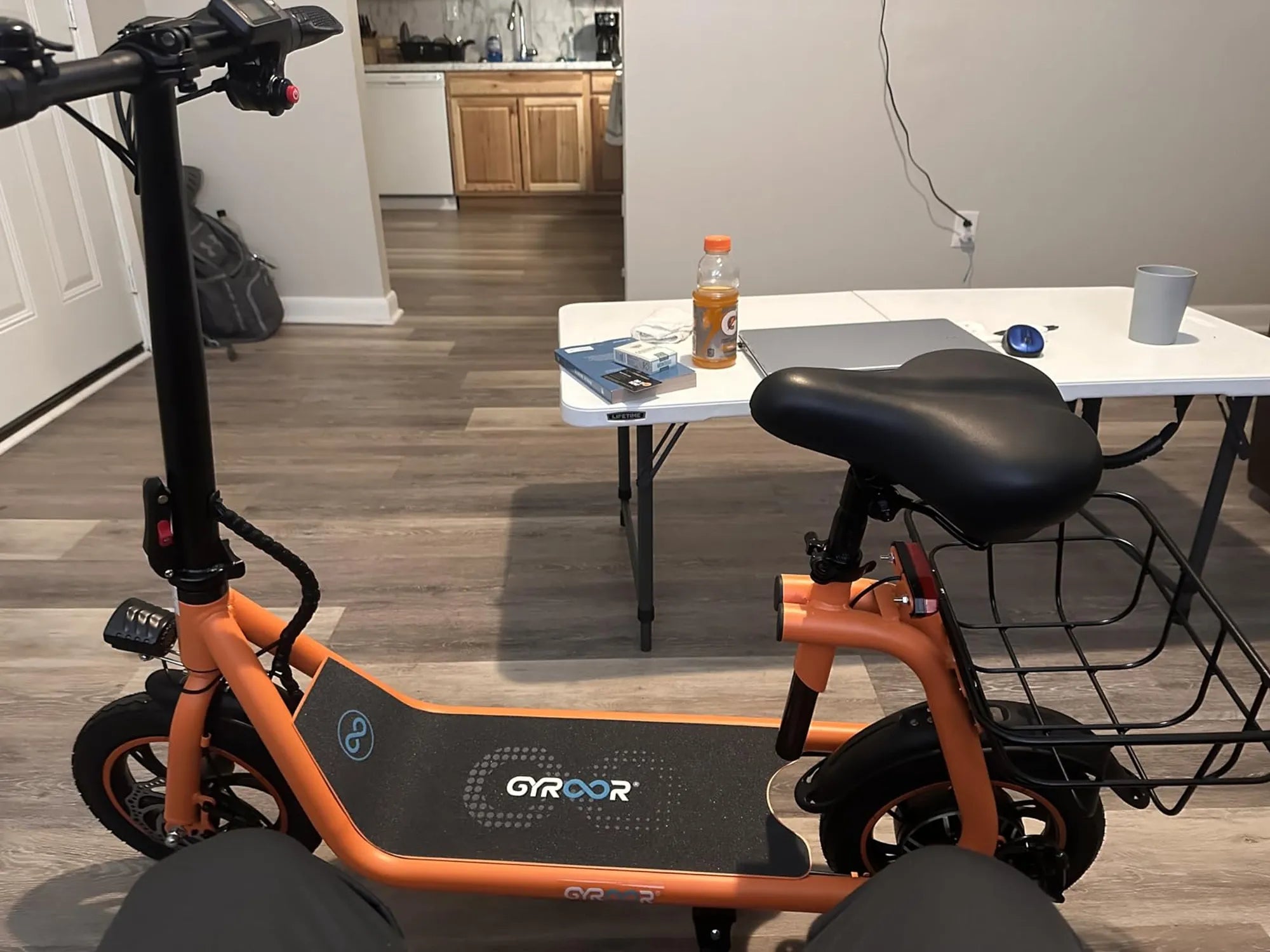
Thinking about hopping on a scooter but unsure about the legal requirements? You're not alone. Many people wonder, "Do I need a license for a scooter?" The answer isn't always straightforward, as it depends on where you live, the type of scooter you're riding, and local regulations. Let's dive into the details to help you stay compliant and avoid fines.
Understanding Scooter Classifications
Scooters come in various shapes and sizes, and their classification often determines whether you need a license. Here's a breakdown of common scooter types:
- Electric Scooters (E-scooters): Typically low-speed, battery-powered vehicles.
- Gas-Powered Scooters: These may have small engines (50cc or less) or larger ones (above 50cc).
- Mopeds: Often confused with scooters, these usually have pedals and a small engine.
License Requirements by Scooter Type
The need for a license largely depends on your scooter's engine size and speed capabilities. Here's what you should know:
Electric Scooters (E-scooters)
In many areas, low-speed electric scooters (under 20 mph) don't require a license. However, some cities or states may mandate a driver's permit or restrict where you can ride. Always check local laws.
Gas-Powered Scooters (50cc or Less)
Scooters with engines under 50cc often fall into a gray area. Some states treat them like bicycles, while others require a motorcycle license or special permit. Helmets and registration may also be mandatory.
Gas-Powered Scooters (Above 50cc)
Larger scooters usually require a motorcycle license or endorsement. These vehicles can reach higher speeds and are often subject to the same rules as motorcycles.
Regional Variations in Scooter Licensing
Laws vary widely by country, state, and even city. Here's a general overview of how different regions handle scooter licenses:
United States
In the U.S., scooter laws are state-specific. For example:
- California: Requires a motorcycle license for scooters over 50cc.
- Florida: No license needed for scooters under 50cc, but registration is required.
- New York: A driver's license is mandatory for all motorized scooters.
Europe
European countries often have stricter regulations. Many require a license for any motorized scooter, with classifications based on speed and engine power.
Asia
In some Asian countries, scooters are a primary mode of transport. Licensing requirements vary, but smaller scooters may not need a license in certain regions.
Additional Legal Considerations
Beyond licensing, other legal requirements may apply:
- Registration: Some areas require scooters to be registered with the DMV.
- Insurance: Larger scooters may need liability insurance.
- Helmet Laws: Many jurisdictions mandate helmets, regardless of license requirements.
- Age Restrictions: Some places impose minimum age limits for scooter riders.
How to Check Your Local Scooter Laws
The best way to ensure compliance is to research your local regulations. Here's how:
- Visit your state or country's Department of Motor Vehicles (DMV) website.
- Check city ordinances if you plan to ride in urban areas.
- Consult a local scooter dealer or riding school for up-to-date information.
Penalties for Riding Without a License
Ignoring licensing requirements can lead to:
- Fines or tickets
- Impoundment of your scooter
- Points on your driving record
- Legal trouble in case of accidents
Benefits of Getting Licensed
Even if your scooter doesn't require a license, getting one can be advantageous:
- Increased safety through proper training
- Ability to ride more powerful scooters
- Better understanding of traffic laws
- Potential insurance discounts
Ready to hit the road on your scooter? Now that you know the licensing requirements, you can ride with confidence and peace of mind. Remember, laws change frequently, so always double-check before you zoom off into the sunset!
Best Ebike Hitch Rack: The Ultimate Guide to Secure and Convenient Transport
Best Urban Ebike: The Ultimate Guide to Choosing Your Perfect Ride