

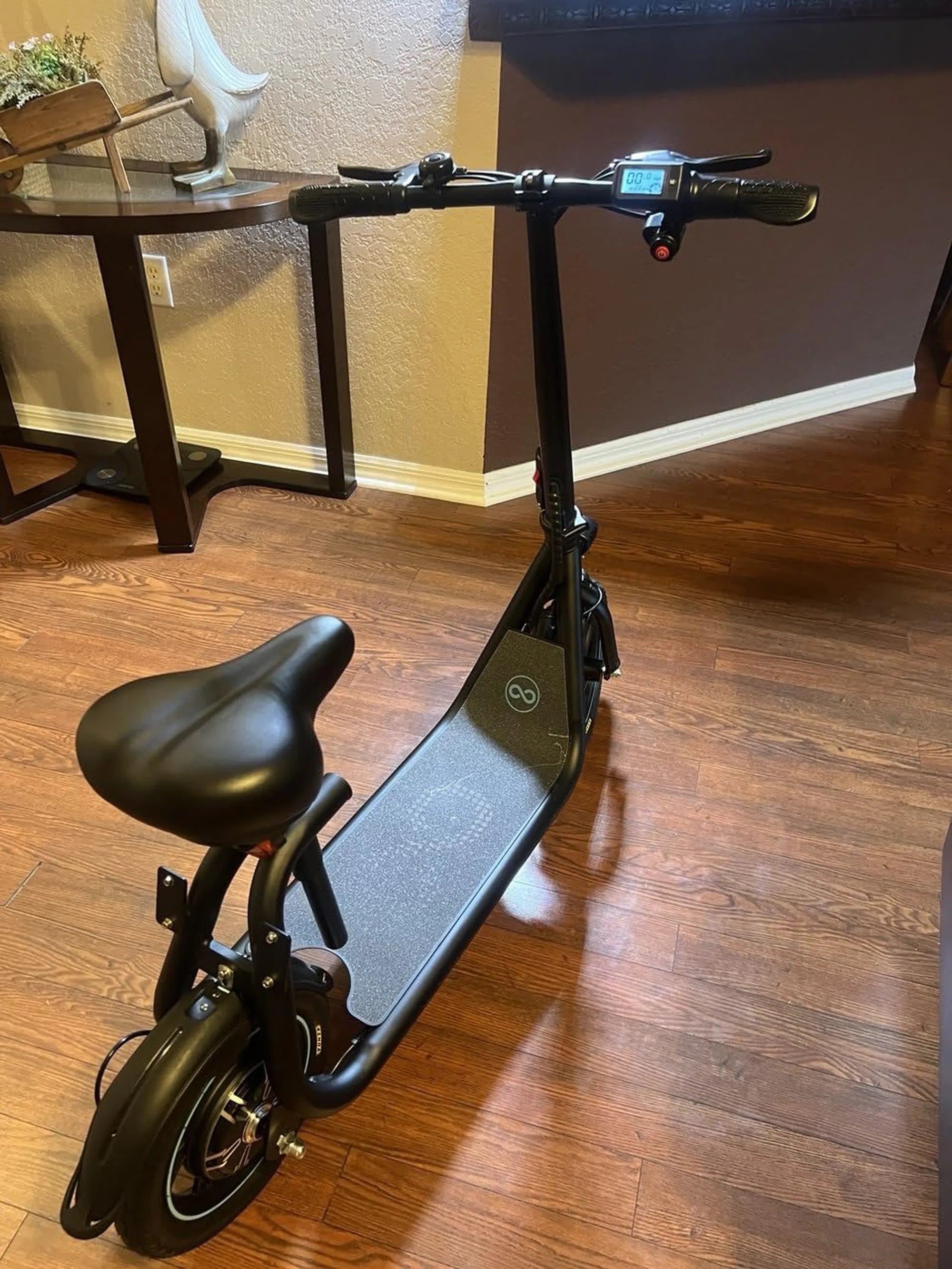
Electric scooters have taken cities by storm, offering a convenient and eco-friendly way to get around. But before you hop on one, you might be asking: Do I need a license for an electric scooter? The answer isn't always straightforward, as regulations vary widely depending on where you live. Whether you're a daily commuter or just curious about e-scooter laws, this guide will help you navigate the rules and ride safely.
Understanding Electric Scooter Regulations
Electric scooters fall into a unique category of personal transportation, often classified as "low-speed electric vehicles" or "micromobility devices." Because they're relatively new, many regions are still adapting their laws to accommodate them. Here's what you need to know:
1. Local Laws Vary Widely
There's no universal answer to whether you need a license for an electric scooter. Some cities treat them like bicycles, while others classify them similarly to motorcycles. Always check your local transportation department's website for the most up-to-date rules.
2. Speed and Power Matter
Many jurisdictions base licensing requirements on the scooter's top speed and motor power. For example:
- Under 15 mph (24 km/h): Often exempt from licensing.
- 15-30 mph (24-48 km/h): May require a special permit or license.
- Over 30 mph (48 km/h): Typically treated as motor vehicles requiring full licensing.
3. Age Restrictions
Even if a license isn't required, many areas impose age limits. It's common to see minimum age requirements of 16 or 18 for legal e-scooter operation.
Where Are Licenses Typically Required?
While many urban areas have embraced electric scooters without licensing requirements, some locations do mandate them:
European Union Regulations
In many EU countries, electric scooters with motors exceeding 250W or speeds above 15.5 mph (25 km/h) may require registration, insurance, or even a moped license.
Selected U.S. States
Certain states classify faster e-scooters as motor vehicles, requiring registration and a valid driver's license. Always verify your state's specific classification system.
Asian Countries
Several Asian nations have strict e-scooter regulations, with some requiring licenses for any motorized two-wheeled vehicle regardless of speed.
Safety Considerations Beyond Licensing
Even if your area doesn't require a license, responsible riding is crucial:
1. Protective Gear
Always wear a helmet, and consider knee/elbow pads for faster models. Many serious injuries occur from relatively low-speed falls.
2. Road Awareness
Understand where you're legally allowed to ride—bike lanes, roads, or sidewalks—and always follow traffic signals.
3. Maintenance Checks
Regularly inspect your scooter's brakes, tires, and lights to ensure safe operation.
The Future of E-Scooter Licensing
As electric scooters become more prevalent, many transportation experts predict:
- Standardized national/international classification systems
- Possible mandatory training courses (similar to motorcycle safety courses)
- More cities implementing registration systems for shared scooters
Electric scooters offer incredible convenience, but staying legal and safe should always come first. Whether your area requires a license or not, responsible riding ensures you'll enjoy this modern transportation solution for years to come. Ready to hit the streets? Double-check your local laws, gear up, and ride smart!
Electric Scooter Make Noise: Causes, Fixes, and How to Reduce It
Electric Scooter Make Noise: Causes, Fixes, and How to Reduce It