



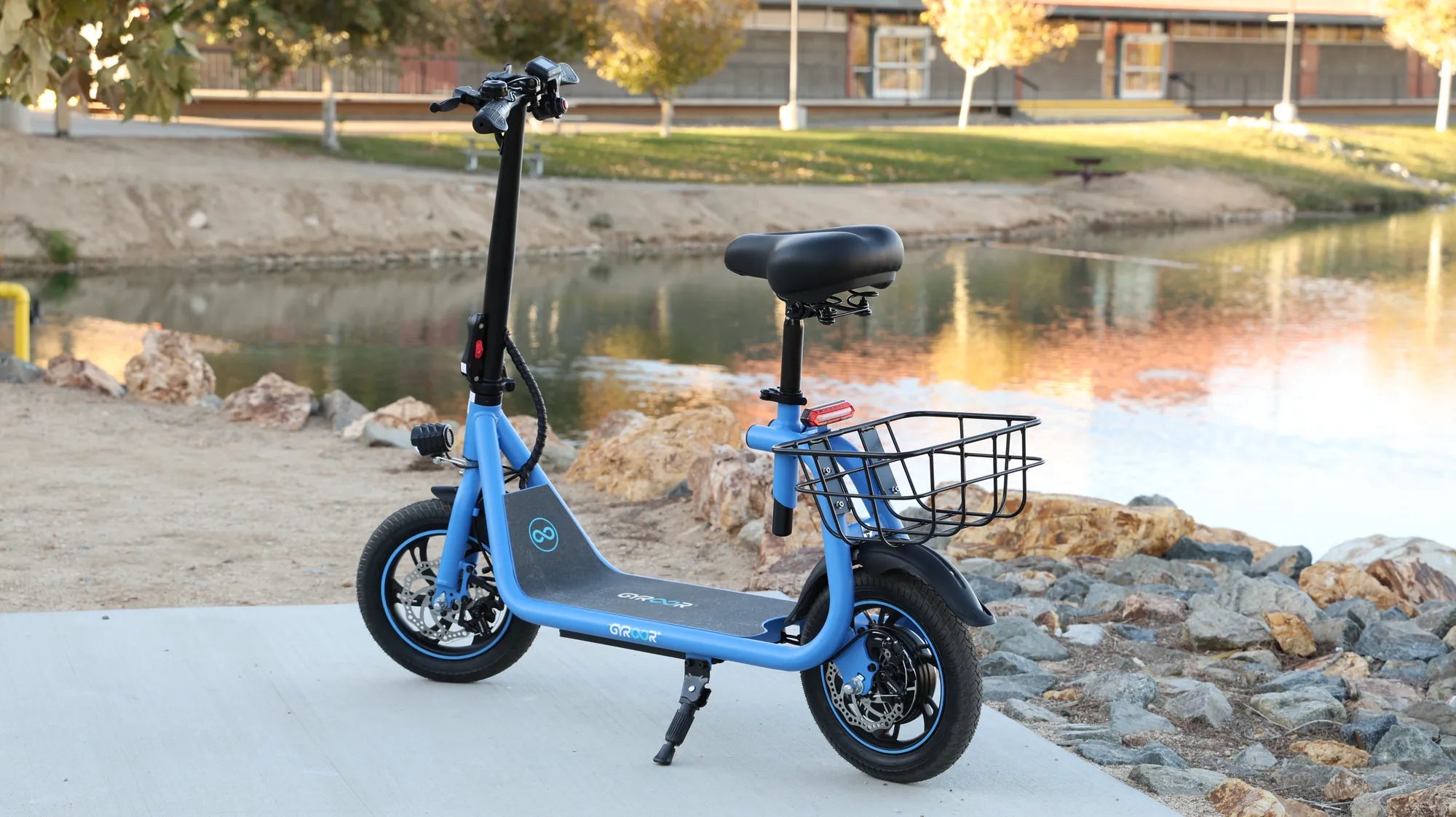
Electric scooters have surged in popularity as a convenient and eco-friendly mode of transportation. But with their rise comes the inevitable question: Do I need to register an electric scooter? The answer isn’t always straightforward, as laws vary by location, vehicle specifications, and intended use. Whether you’re a daily commuter or an occasional rider, understanding the legal landscape can save you from fines and ensure a smooth ride.
Understanding Electric Scooter Registration Laws
Registration requirements for electric scooters differ widely depending on where you live. In some areas, they’re treated similarly to bicycles, requiring no registration, while others classify them as motor vehicles, mandating licenses and plates. Here’s what you need to know:
- Local Regulations: Cities and states often set their own rules. Some require registration only for scooters exceeding certain speed or power limits.
- Public vs. Private Use: Scooters used on public roads may need registration, while those on private property typically don’t.
- Age and Power Restrictions: Jurisdictions may impose age limits or restrict motor wattage for unregistered scooters.
Why Registration Might Be Required
Governments implement registration for several reasons, including safety, accountability, and urban planning. Registered scooters are easier to track in case of accidents or theft, and they help authorities manage traffic flow. Additionally, registration fees can fund infrastructure improvements like bike lanes and charging stations.
How to Check Your Local Requirements
To avoid legal trouble, research your area’s specific laws. Start by visiting your local Department of Motor Vehicles (DMV) or transportation authority’s website. You can also consult legal experts or community forums for firsthand experiences. Keep in mind that laws evolve, so staying updated is crucial.
What Happens If You Don’t Register?
Riding an unregistered scooter where required can lead to penalties ranging from warnings to hefty fines. In extreme cases, your scooter might be impounded. Insurance claims could also be denied if your vehicle isn’t legally compliant, leaving you financially vulnerable in accidents.
Alternatives to Registration
If registration seems burdensome, consider alternatives like using rental scooters (which are typically pre-registered) or opting for lower-powered models that bypass legal thresholds. Always prioritize safety gear and responsible riding to minimize risks.
Navigating electric scooter laws doesn’t have to be a headache. By understanding your local requirements and staying informed, you can enjoy the freedom of your ride without legal worries. Ready to hit the road? Check your regulations today and scoot with confidence!
Best Street Legal Electric Scooter for Seniors: A Complete Guide
Self Balancing Scooter for Big Guys: The Ultimate Guide to Choosing the Right Ride