



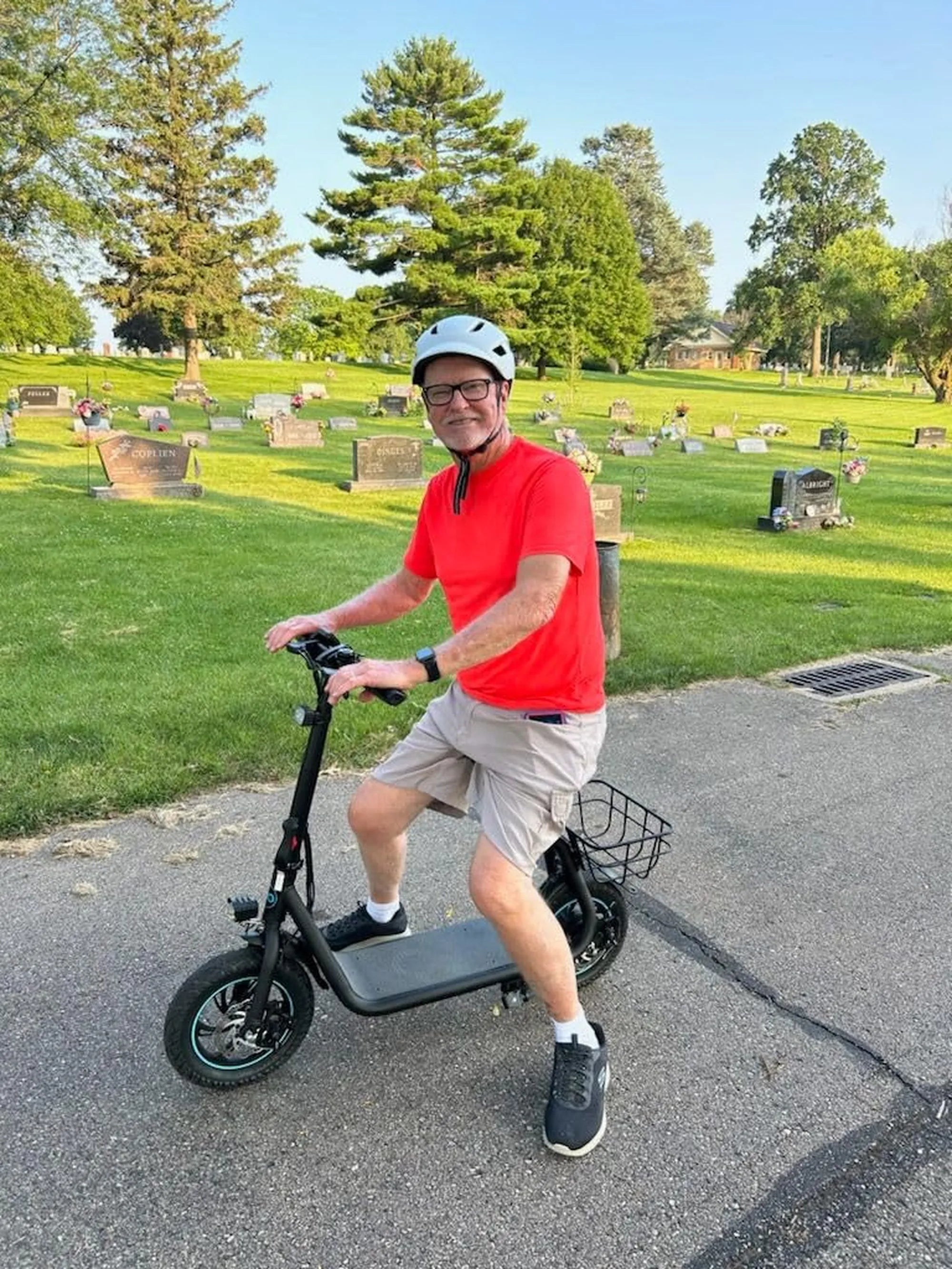
Electric scooters have taken cities by storm, offering a convenient and eco-friendly alternative to traditional transportation. But one question lingers in the minds of many young riders and their parents: Do you have to be 16 to ride an electric scooter? The answer isn’t always straightforward, as laws vary by location, and safety considerations play a huge role. Whether you’re a teenager eager to zip around town or a parent weighing the risks, this guide will help you navigate the rules and make informed decisions.
Understanding Electric Scooter Age Restrictions
Age restrictions for electric scooters depend largely on local laws and regulations. In many places, riders must be at least 16 years old to operate an e-scooter legally. This rule is often tied to liability and safety concerns, as younger riders may lack the experience or judgment needed to navigate traffic and obstacles safely.
Why 16? The Reasoning Behind the Age Limit
Lawmakers and safety advocates argue that 16 is a reasonable age because it aligns with other mobility-related regulations, such as driving permits for cars. At this age, teens are more likely to understand traffic rules and have better motor skills for handling a scooter. However, some cities and countries have different standards, with minimum ages ranging from 14 to 18.
Where Are the Rules Enforced?
Electric scooter laws are far from universal. In some areas, age restrictions are strictly enforced, while in others, they’re more of a guideline. Here’s a quick breakdown of how different regions handle this issue:
- United States: Most states require riders to be at least 16, though some cities impose additional restrictions.
- Europe: Countries like Germany and France often set the minimum age at 14, while the UK typically requires riders to be 16 or older.
- Australia: Age limits vary by state, with some allowing riders as young as 12 with adult supervision.
Safety Concerns for Younger Riders
Even if local laws permit younger riders, safety should always come first. Electric scooters can reach speeds of 15-20 mph, and accidents can result in serious injuries. Common risks include:
- Lack of experience: Younger riders may struggle with balance and quick decision-making.
- Traffic hazards: Sharing the road with cars and pedestrians requires vigilance.
- Protective gear: Helmets and pads are essential but often overlooked by younger users.
Parental Guidance and Supervision
If your child is under the legal age but eager to ride, consider supervised practice in safe, low-traffic areas. Teaching proper scooter etiquette—like signaling turns and obeying traffic signals—can help build confidence and reduce risks.
What Happens If You Break the Rules?
Ignoring age restrictions can lead to fines, confiscation of the scooter, or even legal trouble for parents. Rental companies often verify age through apps, making it harder for underage riders to bypass the rules. Before hopping on, always check local regulations to avoid penalties.
Alternatives for Younger Riders
If your child isn’t old enough for an electric scooter, there are still plenty of fun options:
- Kick scooters: A great way to build coordination without the speed risks.
- Bicycles: Many cities have bike-friendly paths and lower age requirements.
- Electric skateboards (where permitted): Some areas allow these for younger teens with proper safety gear.
The Future of Electric Scooter Regulations
As e-scooters become more popular, laws are evolving. Some cities are experimenting with tiered licensing or training programs for younger riders. Staying informed about changes in your area ensures you’re always riding legally and safely.
Electric scooters offer freedom and fun, but age restrictions exist for good reason. Whether you’re 16 or older, knowing the rules—and respecting them—keeps everyone safer on the road. So before you hit the streets, double-check the laws in your area, gear up, and ride smart!
Italian Electric Scooter Brands: The Future of Urban Mobility
Best Folding Electric Scooter 2025: The Ultimate Guide to Future Commuting