



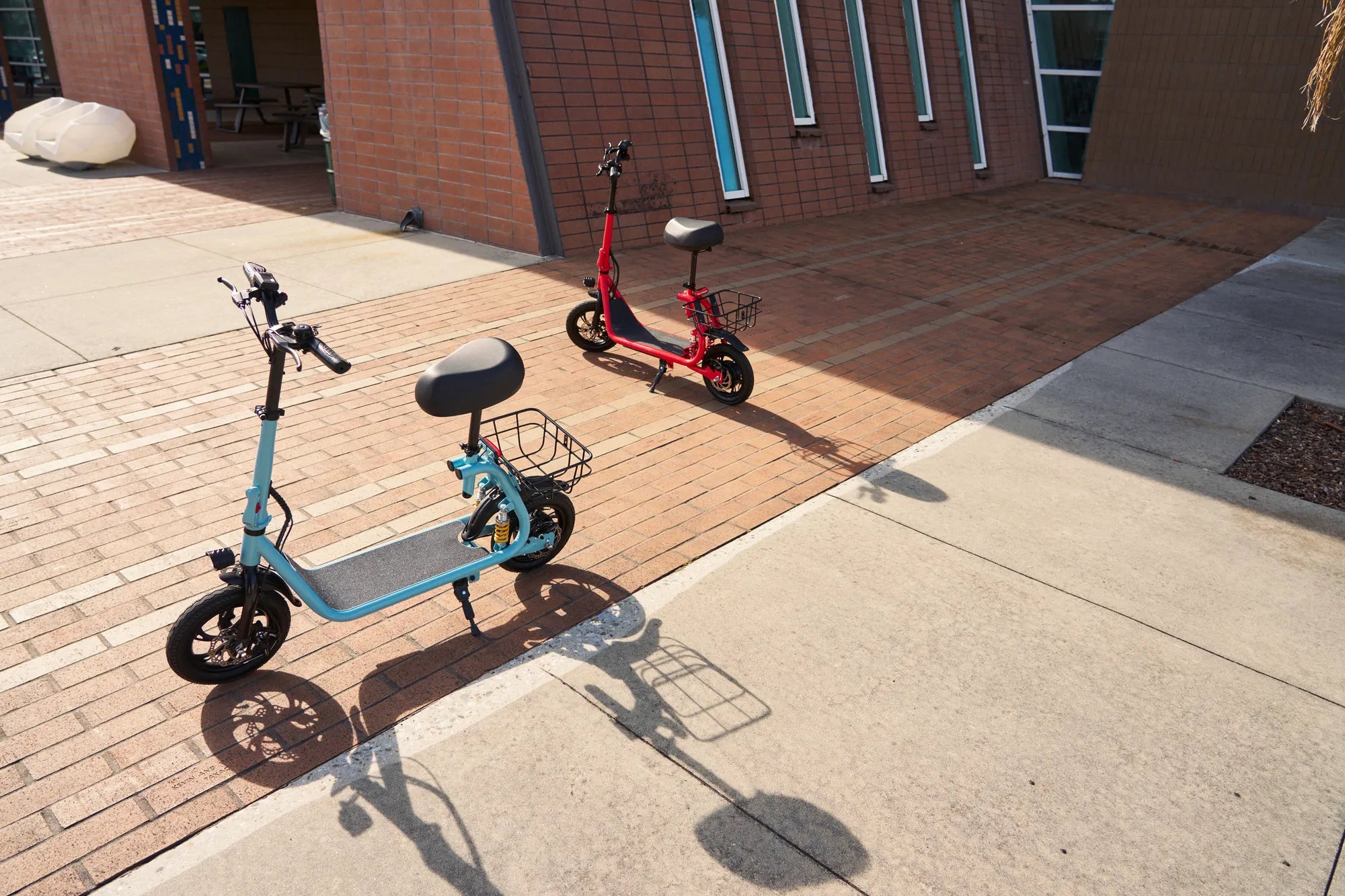
Electric scooters have taken cities by storm, offering a convenient and eco-friendly way to get around. But as their popularity grows, so does the confusion around the legalities. Do you need a licence to ride an electric scooter? The answer isn’t as straightforward as you might think. Let’s dive into the details to help you stay on the right side of the law.
Understanding Electric Scooter Regulations
Electric scooters fall into a unique category of personal transportation devices. Unlike cars or motorcycles, they don’t always fit neatly into existing licensing frameworks. However, regulations vary widely depending on where you live. In some areas, electric scooters are treated similarly to bicycles, while in others, they’re classified as motor vehicles requiring licences and registration.
Do You Need a Licence to Ride an Electric Scooter?
The short answer is: it depends. In many countries, low-powered electric scooters (typically under 250 watts) don’t require a licence. These are often classified as "personal light electric vehicles" and can be ridden without formal documentation. However, more powerful models may fall under moped or motorcycle regulations, necessitating a licence, insurance, and even registration.
Regional Variations in Licensing Requirements
Licensing rules for electric scooters differ significantly across regions. For example:
- In some U.S. states, no licence is required for scooters under a certain speed limit.
- In parts of Europe, riders may need a moped licence for higher-powered models.
- In Australia, regulations vary by state, with some requiring a licence for certain types of e-scooters.
Safety Considerations Beyond Licensing
Even if your local laws don’t require a licence, safety should always be a priority. Many cities mandate helmet use, and some have age restrictions for e-scooter riders. Understanding traffic laws and proper riding etiquette can prevent accidents and keep you out of legal trouble.
Insurance Requirements for Electric Scooters
While licensing might not always be mandatory, insurance could be another matter. Some jurisdictions require at least third-party liability insurance for electric scooters, especially if they’re classified as motor vehicles. Check your local regulations to avoid unexpected fines or legal issues.
The Future of Electric Scooter Legislation
As electric scooters become more prevalent, lawmakers are working to update regulations. Many cities are implementing pilot programs to test different approaches to e-scooter management. Staying informed about these changes will help you ride legally and responsibly.
Electric scooters offer an exciting new way to navigate urban environments, but navigating the legal landscape can be tricky. Whether you’re a daily commuter or an occasional rider, understanding your local licensing requirements ensures you’ll enjoy the ride without any legal surprises. Ready to hit the streets? Make sure you’re covered—both legally and literally—before you zoom off into the sunset.
Electric Scooter How Fast Do They Go: Speed, Safety, and Performance Explained
Electric Scooter How Fast Do They Go: Speed, Safety, and Performance Explained