



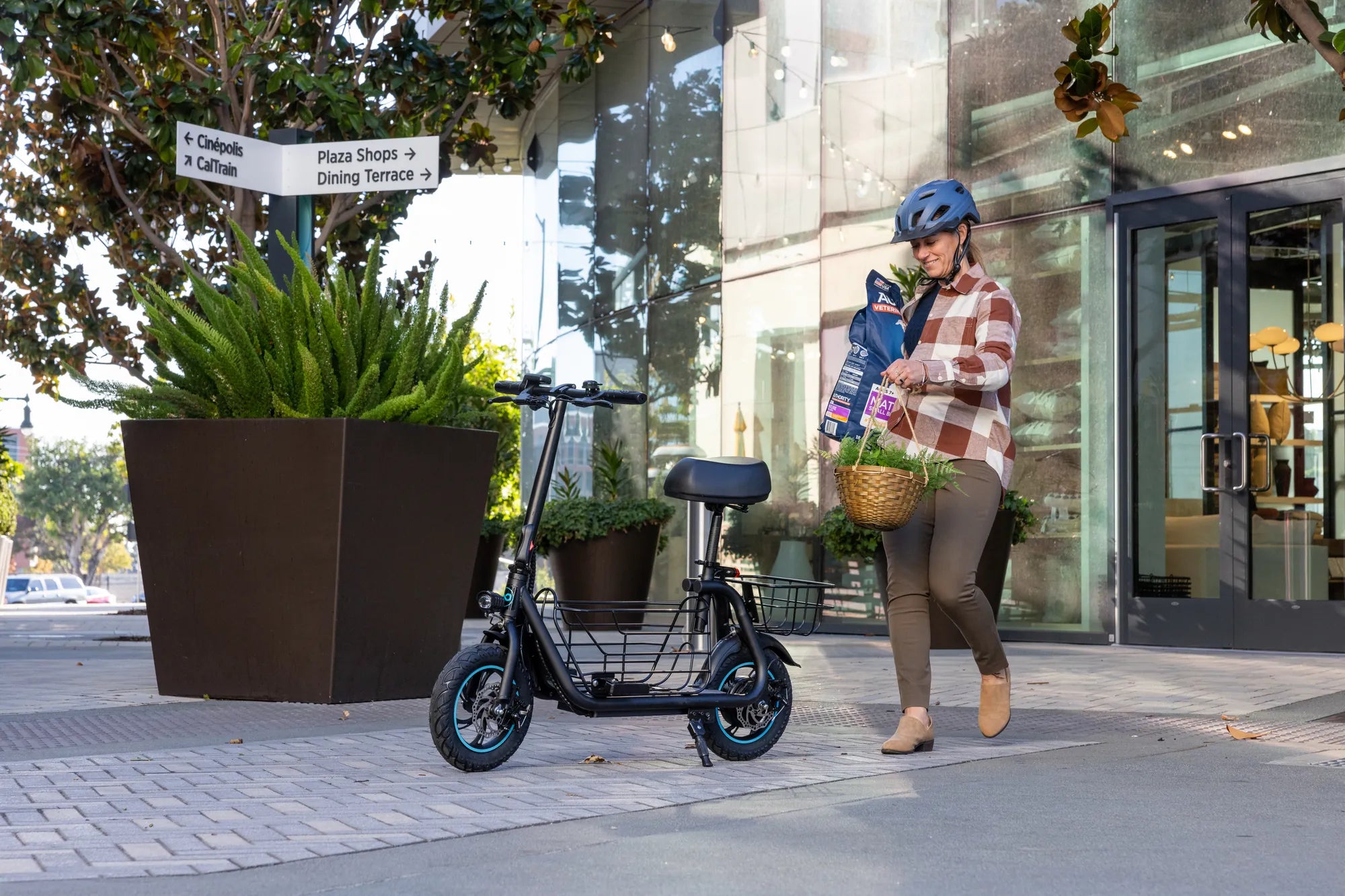
Electric bikes are taking the world by storm, offering an eco-friendly and efficient way to navigate cities and trails. But before you hop on your new ride, you might be wondering: do you need a license for an electric bike? The answer isn’t as straightforward as you might think. Depending on where you live, the type of e-bike you own, and how fast it goes, the rules can vary dramatically. Let’s dive into the details to ensure you’re riding legally and safely.
Understanding Electric Bike Classifications
Not all electric bikes are created equal. In many regions, e-bikes are categorized into classes based on their speed and power output. These classifications often determine whether a license is required:
- Class 1: Pedal-assist only, with no throttle, and a maximum speed of 20 mph.
- Class 2: Throttle-assisted, with a maximum speed of 20 mph.
- Class 3: Pedal-assist only, with a maximum speed of 28 mph.
Generally, Class 1 and 2 e-bikes are treated like traditional bicycles and don’t require a license. However, Class 3 e-bikes may face stricter regulations, especially in urban areas.
Regional Regulations: Where Do You Need a License?
Laws governing electric bikes vary widely by country, state, and even city. Here’s a quick overview of how different regions handle e-bike licensing:
United States
In the U.S., federal law defines e-bikes as bicycles if they meet certain criteria (e.g., maximum speed and motor wattage). Most states follow this definition, meaning no license is required for Class 1 and 2 e-bikes. However, some states impose additional restrictions on Class 3 e-bikes, such as requiring a helmet or prohibiting them from bike paths.
European Union
The EU classifies e-bikes as "pedelecs" if they provide assistance only up to 15.5 mph (25 km/h) and have a motor no stronger than 250W. These typically don’t require a license. Faster or more powerful models may be classified as mopeds, necessitating registration, insurance, and a license.
Asia and Australia
Countries like Japan and Australia have strict e-bike regulations, often requiring licenses for higher-speed models. In contrast, places like China treat most e-bikes similarly to bicycles, with no license needed.
Safety and Legal Considerations
Even if your e-bike doesn’t require a license, safety should always be a priority. Here are some key tips:
- Wear a helmet, even if it’s not legally required.
- Follow local traffic laws, including speed limits and bike lane rules.
- Ensure your e-bike meets local power and speed standards to avoid fines.
What Happens If You Ride Without a License?
Riding an e-bike that requires a license without one can lead to penalties ranging from fines to confiscation of your bike. Always check local laws before hitting the road.
The Future of E-Bike Regulations
As e-bikes grow in popularity, regulations are evolving. Some cities are introducing dedicated e-bike lanes, while others are tightening restrictions to address safety concerns. Staying informed is key to enjoying your ride without legal hassles.
Ready to embrace the e-bike revolution? Whether you’re commuting or exploring, knowing the rules ensures a smooth ride. Don’t let legal uncertainty slow you down—get the facts and pedal with confidence!
E Scooter Top 5: The Best Electric Scooters for Urban Commuters
E Scooter Tools: Essential Gear for Maintenance and Repairs