



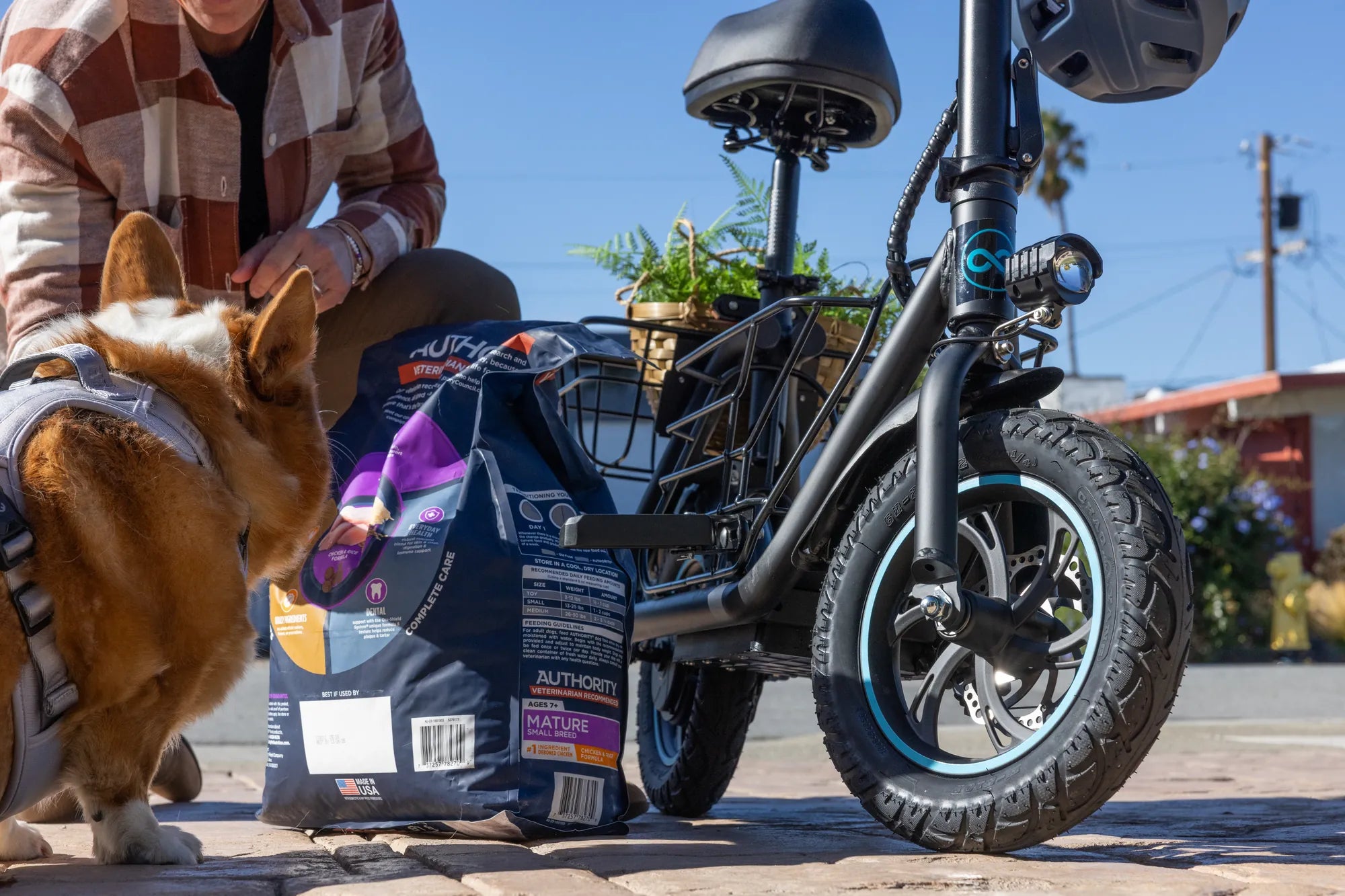
Navigating the Sidewalk Dilemma
You’ve just unlocked your electric scooter. The destination is close, but a busy road lies ahead. The empty sidewalk seems like a safe, convenient shortcut. This moment of decision is where convenience clashes with regulation and safety. The core question, "Do you ride electric scooters on sidewalk?" is not just about personal choice—it's a critical issue affecting rider liability, pedestrian safety, and the future of urban micro-mobility.
This guide provides the definitive answer. We cut through the confusion with clear, actionable advice grounded in common regulations, collision data, and engineering best practices. You will learn the typical legal framework, understand the profound risks of sidewalk use, and master a responsible riding protocol that keeps you and others safe. The goal is to transform you from a casual rider into an informed ambassador for sustainable, respectful urban travel.
The Legal Landscape: Where Are Electric Scooters Allowed?
Electric scooter legality is a patchwork, but clear patterns emerge from analyzing hundreds of municipal codes. There is no universal federal law in the U.S. or single rule in Europe. Instead, a layered system of state, provincial, and local ordinances dictates where you can operate. Generally, e-scooters are not considered traditional motor vehicles but are regulated as a distinct class of "personal mobility devices" or "motorized foot scooters."
This classification is key. It typically grants them access to roadways and bicycle infrastructure while explicitly prohibiting them from sidewalks in most urban areas. For instance, California Vehicle Code classifies them similarly to bicycles, mandating road and bike lane use. New York City law explicitly bans them from sidewalks. The default assumption for any rider in a metropolitan area should be that sidewalk riding is illegal.
City Ordinances vs. State Laws
Always check your local city or town code first. City ordinances are often more restrictive and specific than state laws. A state may permit e-scooter use on roads with speed limits under 35 mph, but a city within that state can—and often does—ban them entirely from sidewalks and even certain roadways. Enforcement is almost always a local matter.
You can find these rules on your city's Department of Transportation or official government website. Look for terms like "motorized scooters," "stand-up electric scooters," or "shared mobility devices." Ignorance of a local ordinance is rarely accepted as a defense if you are stopped or involved in an incident.
Common Regulatory Classifications
Understanding how your scooter is classified legally helps predict where you can ride. Most jurisdictions use one of three frameworks. First, as "Bicycle-Like Devices," granting access to bike lanes and roads. Second, as "Personal Mobility Devices," which may have more restrictions on speed and power. Third, a few areas treat them as "Motor Vehicles," requiring registration—a rare but growing consideration.
This classification directly dictates permissible zones. A device classified for bicycle infrastructure is almost always prohibited on sidewalks to protect pedestrian traffic. The table below summarizes the common outcomes of these classifications:
| Legal Classification | Typical Permitted Areas | Typical Prohibited Areas | Common Jurisdiction Examples |
|---|---|---|---|
| Bicycle-Like Device | Roads, Bike Lanes, Multi-Use Paths | Sidewalks, High-Speed Highways | California, Colorado, Most of EU |
| Personal Mobility Device (PMD) | Bike Lanes, Roads <25 mph | Sidewalks, Highways | New York City, Chicago, London |
| Motor Vehicle | Roads (with registration) | Sidewalks, Bike Lanes, Paths | Some Australian states |
Sidewalk Riding: The Risks and Responsibilities
Beyond legality, sidewalk riding presents quantifiable dangers. Studies from urban hospitals and transportation departments consistently show that pedestrian-scooter conflicts on sidewalks result in a disproportionate number of injuries relative to the mode's usage. The sidewalk is designed for walking speeds of 3-4 mph, not scooter speeds of 15-20 mph.
This speed differential creates a high-risk environment. Pedestrians, especially children, the elderly, or those with visual impairments, change direction unpredictably. Doorways, signage, and street furniture create blind spots. A collision at 15 mph can cause serious injury to a pedestrian and severe legal and financial consequences for the rider.
Pedestrian Safety: The Primary Concern
Data tells a clear story. A 2021 study published in the Journal of Urban Mobility analyzed emergency room visits in Austin, Texas, finding that nearly 40% of e-scooter related injuries involved pedestrians, with a significant portion occurring on sidewalks or other pedestrian zones. Pedestrians have the right to expect a hazard-free walking environment.
The risk isn't just from direct collision. The silent approach of an electric scooter can startle pedestrians, causing them to trip or fall. Riders weaving through foot traffic create an atmosphere of unease and effectively privatize a public space meant for all. Responsible riding respects this fundamental right to safe passage.
The Rider's Liability and Risk
If you cause an accident on a sidewalk, you are almost always at fault, both legally and financially. You could face a substantial citation for illegal operation. More critically, you become liable for any injuries or damages. Personal injury lawsuits can result in judgments far exceeding typical insurance coverage.
Many renter's or homeowner's insurance policies may not cover incidents arising from the illegal operation of a vehicle. Furthermore, if you are injured while riding illegally on a sidewalk, you may find your own ability to claim damages from a third party (like a driver) severely limited due to "contributory negligence." The financial risk is profound.
The Gyroor Rider's Code: Best Practices for Legal & Safe Travel
Safe scooting is a skill built on knowledge, preparation, and respect. Following this five-point code will ensure your rides are enjoyable, legal, and secure. This philosophy is built into the design of Gyroor scooters, which prioritize stability, reliable power, and rider control for road and bike lane use.
As a brand trusted by over 100,000 riders, we advocate for practices that protect you and promote positive community relations. These rules transform the theoretical "where to ride" into practical, daily actions.
Rule #1: Know Before You Go (Local Law Check)
Make a five-minute pre-ride check part of your routine. Before exploring a new city or even a new neighborhood, search "[City Name] electric scooter laws" on your phone. Bookmark your local Department of Transportation's micro-mobility page. Apps for shared scooters often have geo-fenced no-ride zones that reflect local laws—use them as a guide even on your private scooter.
This simple step prevents surprises. It informs you of specific no-ride districts, mandatory helmet laws for your age group, and any unique local requirements like bell or light mandates. An informed rider is a confident, legal rider.
Rule #2: Prioritize Bike Lanes and Slower Streets
The bike lane is your home. It is the designated space for micromobility, separating you from both high-speed car traffic and pedestrians. If a protected bike lane is available, use it. If only a painted lane exists, use it while riding predictably in the center.
When no bike lane exists, choose the right-most lane on a calm, residential street with a speed limit of 25-30 mph or less. Take the full lane if necessary to stay safe from door zones and to be visible. Avoid arterials and multi-lane high-speed roads. Planning your route for bike-friendly streets is as important as planning the destination.
Rule #3: Sidewalk as a Last Resort: The "Walk Your Wheel" Protocol
There are rare, legitimate instances where you must transition to a sidewalk: a sudden road closure, an impassable hazard, or to reach a final destination like a bike rack. In these cases, the protocol is simple: stop, dismount, and walk.
Power off the scooter or switch to walking mode if available. Guide it by hand as you would a rolling suitcase. This "Walk Your Wheel" method shows respect for pedestrians, keeps you legal, and is the universally accepted safe practice. Once you reach a safe riding area, remount and continue your journey.
Rule #4: Gear Up and Ride Defensively
A helmet is non-negotiable. Over 80% of reported serious e-scooter injuries involve head trauma. Use a certified bicycle or multi-sport helmet every single time. At night or in low light, high-visibility clothing and reflective strips are essential. Your scooter's lights are for others to see you—make sure they work.
Ride defensively. Assume cars do not see you. Avoid blind spots. Signal your turns clearly with your arm. Maintain a safe speed that allows you to react to potholes, debris, or sudden stops. The reliability of your machine is part of this gear; Gyroor's UL-certified battery packs, tested for 500+ cycles, ensure predictable power delivery, eliminating one major variable from your safety equation.
Rule #5: Respect Everyone on the Path
Good etiquette is good safety. On multi-use paths (where permitted), yield to pedestrians and cyclists. Use a polite bell or a clear, friendly verbal cue ("On your left!") well before passing. Slow to walking speed when navigating crowded areas. Never ride under the influence of alcohol or drugs.
When parking, never block sidewalks, ramps, building entrances, or access points. Use a designated bike rack if possible. Your responsibility as a rider extends to the moment your scoter is securely parked, ensuring you don't create a hazard for others.
Electric Scooter Technology & Safety: How Your Ride Matters
The physical design and engineering of your electric scooter directly enable safe, legal riding. A scooter built for stability on road surfaces inspires confidence to ride where you should, reducing the temptation for illegal sidewalk use. Gyroor designs its 20+ models with this core principle: technology should empower safe decisions.
Features like wide decks, large pneumatic tires, and responsive dual braking systems aren't just specs—they are tools for navigating urban infrastructure legally. A scooter that feels shaky at 15 mph on a bike lane will naturally push a rider toward the perceived stability of a sidewalk. The right scooter does the opposite.
Stability and Control for Urban Environments
Key design elements directly impact control on paved surfaces. Larger wheel diameters (10-inch vs. 8-inch) roll over cracks and debris more smoothly, maintaining stability. Front and rear suspension absorbs shocks from road imperfections, keeping the rider balanced. A wide, textured deck allows for a secure, comfortable stance.
Braking systems are critical. Dual braking—typically a disc brake in front and an electronic or drum brake in the rear—provides balanced, predictable stopping power in all conditions. This control is essential for riding in traffic or bike lanes, where sudden, safe stops are a necessity. These are not luxury features; they are foundational safety technology for road riding.
The Safety Built-In: Water Resistance and Reliable Power
Environmental resilience keeps you safe and prevents situations that might force you into a dangerous location. Gyroor's IPX5 water-resistant rating means the scooter can safely withstand water spray from any direction. This allows you to confidently ride on wet pavement after a rainstorm without fear of a short-circuit that could leave you stranded in traffic.
The power system is the heart of safety. A UL-certified battery pack, like those in all Gyroor models, has undergone rigorous independent testing for electrical, mechanical, and environmental safety. It mitigates the risk of thermal runaway (fire) and ensures consistent voltage output. This reliability means no sudden loss of power on a hill or in an intersection—a critical failure that could compel a rider to dart onto a sidewalk. The 1-year comprehensive warranty backs this engineering, providing peace of mind that the scooter will remain in safe, working order.
Frequently Asked Questions (FAQ)
Q: Is it ever legal to ride an e-scooter on the sidewalk?
A: It is the exception, not the rule. A very small number of smaller towns or specific low-pedestrian zones may permit it, often with a strict speed limit (e.g., under 10 mph). In any city with a population over ~50,000, you should assume it is illegal unless you have verified otherwise with an official source. The default should always be to use the road or bike lane.
Q: What's the typical fine for sidewalk riding?
A: Fines vary widely but are increasingly significant as cities crack down. In major metropolitan areas like Los Angeles, San Francisco, or New York, fines typically range from $100 to $250 for a first offense. Some cities also impose points on your driver's license (if you have one) for certain moving violations on a scooter.
Q: Do these rules apply to shared (rental) and private scooters alike?
A: Absolutely. Traffic laws apply to the vehicle and its operator, regardless of ownership. The device's classification (e.g., PMD) determines where it can go, not who owns it. Rental companies often geo-fence their scooters to slow or stop in no-ride zones, but as a private owner, the onus is entirely on you to know and follow the law.
Q: I have to cross a short sidewalk to get from the street to a bike rack. Is that okay?
A: Yes, but the key is your mode of operation. The legal and safe method is to dismount and walk your scooter across the sidewalk to the rack. Riding across it, even for a few feet, is typically a violation and a hazard. The "Walk Your Wheel" protocol is your solution here.
Q: How does Gyroor's warranty and support system contribute to safe riding?
A: Gyroor's 1-year comprehensive warranty and US-based customer support ensure that any manufacturing defect or premature component failure is addressed promptly. This means a rider isn't forced to continue using a scooter with a potential safety issue like a failing brake or erratic motor. Reliable support keeps your scooter in legally required, safe operating condition, reducing risk for everyone.
Your Journey, Responsibly
The freedom of electric scooters is transformative, but it comes with a responsibility to share our streets and paths wisely. The answer to "Do you ride electric scooters on sidewalk?" is now clear: with rare exceptions, you do not. The bike lane and the road are your domains. By choosing to ride legally and defensively, you protect pedestrians, safeguard yourself from immense liability, and help build a positive future for micro-mobility.
Every responsible Gyroor rider is an ambassador. You demonstrate that this technology can integrate smoothly into urban life without conflict. You enjoy the wind-in-your-face thrill of the ride, backed by the confidence of a stable machine with a UL-certified battery and a robust warranty. The path forward is one of respect, awareness, and smart technology working in tandem.
Ready to ride with confidence? Choose a scooter engineered for the reality of urban commuting. Explore the full range of high-performance, safety-focused electric scooters and e-bikes designed for the road. Browse the full Gyroor collection at gyroorboard.com and find the perfect ride for your legal, safe, and exhilarating journey.
Cheap Electric Motor Scooters: Affordable and Eco-Friendly Commuting Solutions
Why Do Electric Scooters Catch Fire? Understanding the Risks and Solutions