


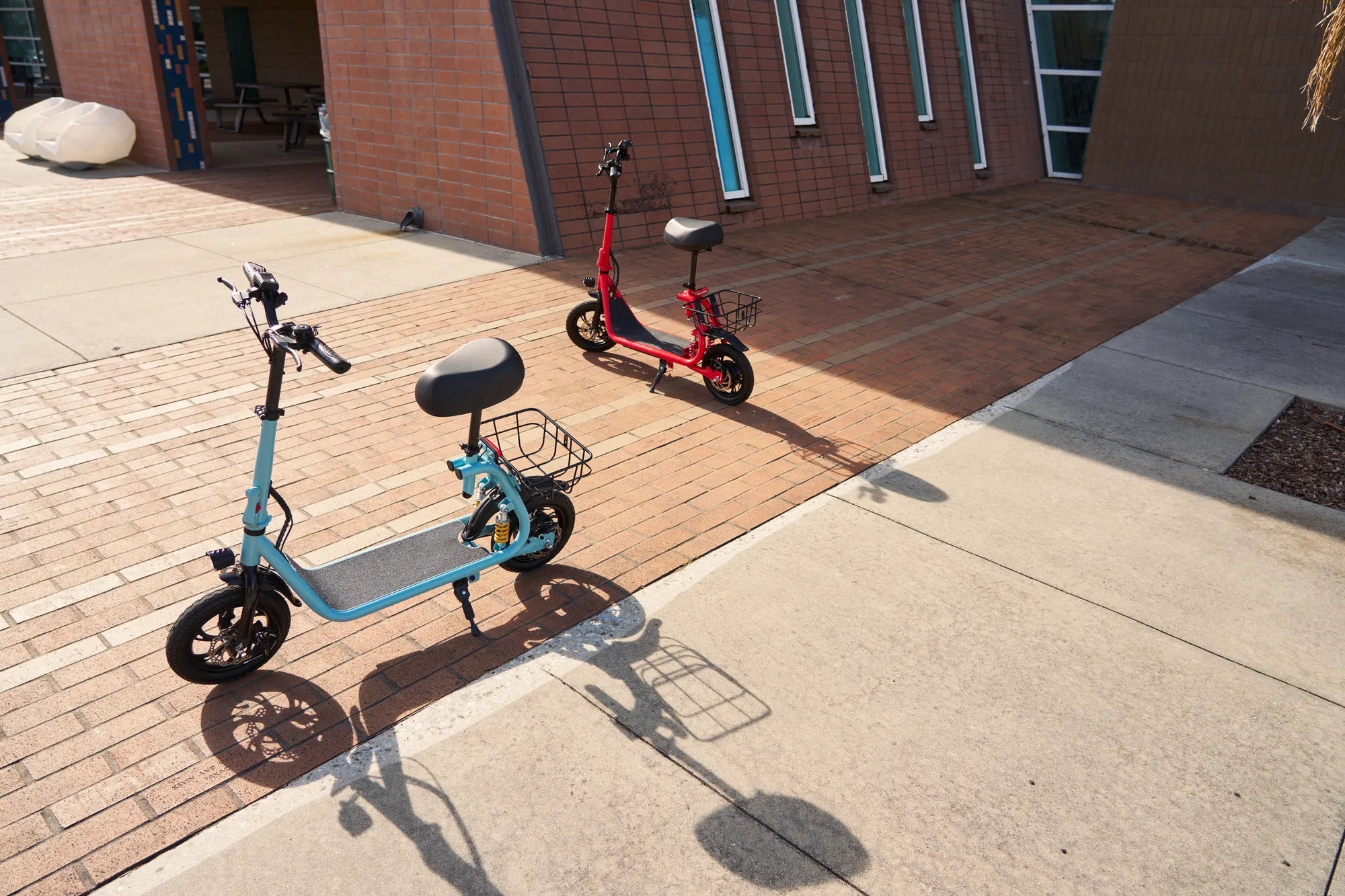
Electric bikes are revolutionizing urban mobility, offering an eco-friendly and efficient way to navigate cities. But one question lingers in the minds of many riders: does an electric bike need a permit? The answer isn’t always straightforward, as regulations vary by location and depend on the type of e-bike you own. Let’s dive into the details to ensure you stay on the right side of the law.
Understanding Electric Bike Classifications
Before determining whether a permit is required, it’s essential to understand how electric bikes are classified. Most regions categorize e-bikes into three main classes:
- Class 1: Pedal-assist only, with no throttle, and a maximum speed of 20 mph.
- Class 2: Throttle-assisted, with a maximum speed of 20 mph.
- Class 3: Pedal-assist only, with a maximum speed of 28 mph.
These classifications often determine whether your e-bike is treated like a traditional bicycle or a motorized vehicle, which directly impacts permit requirements.
Do You Need a Permit for an Electric Bike?
In most cases, Class 1 and Class 2 e-bikes do not require a permit, as they are typically regulated similarly to standard bicycles. However, Class 3 e-bikes may face stricter rules, depending on local laws. Some regions mandate registration, insurance, or even a special license for higher-speed models.
For example, in the United States, federal law treats e-bikes as bicycles if they meet specific criteria, but state laws can impose additional requirements. Always check your local regulations to avoid fines or legal issues.
Where Permits or Licenses Might Be Required
Certain areas have unique rules that could require permits for electric bikes:
- High-Speed E-Bikes: If your e-bike exceeds 28 mph, it may be classified as a moped or motorcycle, requiring registration and a license.
- International Regulations: Some countries, especially in Europe, require e-bike riders to have insurance or a permit for higher-powered models.
- Local Ordinances: Cities or parks may restrict e-bike usage, requiring special permits for trail access.
How to Ensure Compliance Without Hassle
To avoid legal trouble, follow these steps:
- Check Local Laws: Research your state, country, or city’s e-bike regulations.
- Know Your E-Bike’s Class: Confirm whether your bike meets the legal definition of an e-bike or falls into a motorized category.
- Consult Authorities: If in doubt, contact your local Department of Motor Vehicles or transportation agency.
By staying informed, you can enjoy the freedom of electric biking without worrying about permits—unless your local laws explicitly require them.
Riding an electric bike should be a liberating experience, not a bureaucratic headache. With the right knowledge, you can hit the road confidently, knowing whether your e-bike needs a permit—or if you’re free to ride without one. Stay informed, ride safely, and embrace the future of transportation!
Best Bargain Electric Bike: How to Find the Perfect Ride Without Breaking the Bank
Top of the Line Electric Bike: The Ultimate Guide to High-Performance E-Bikes