



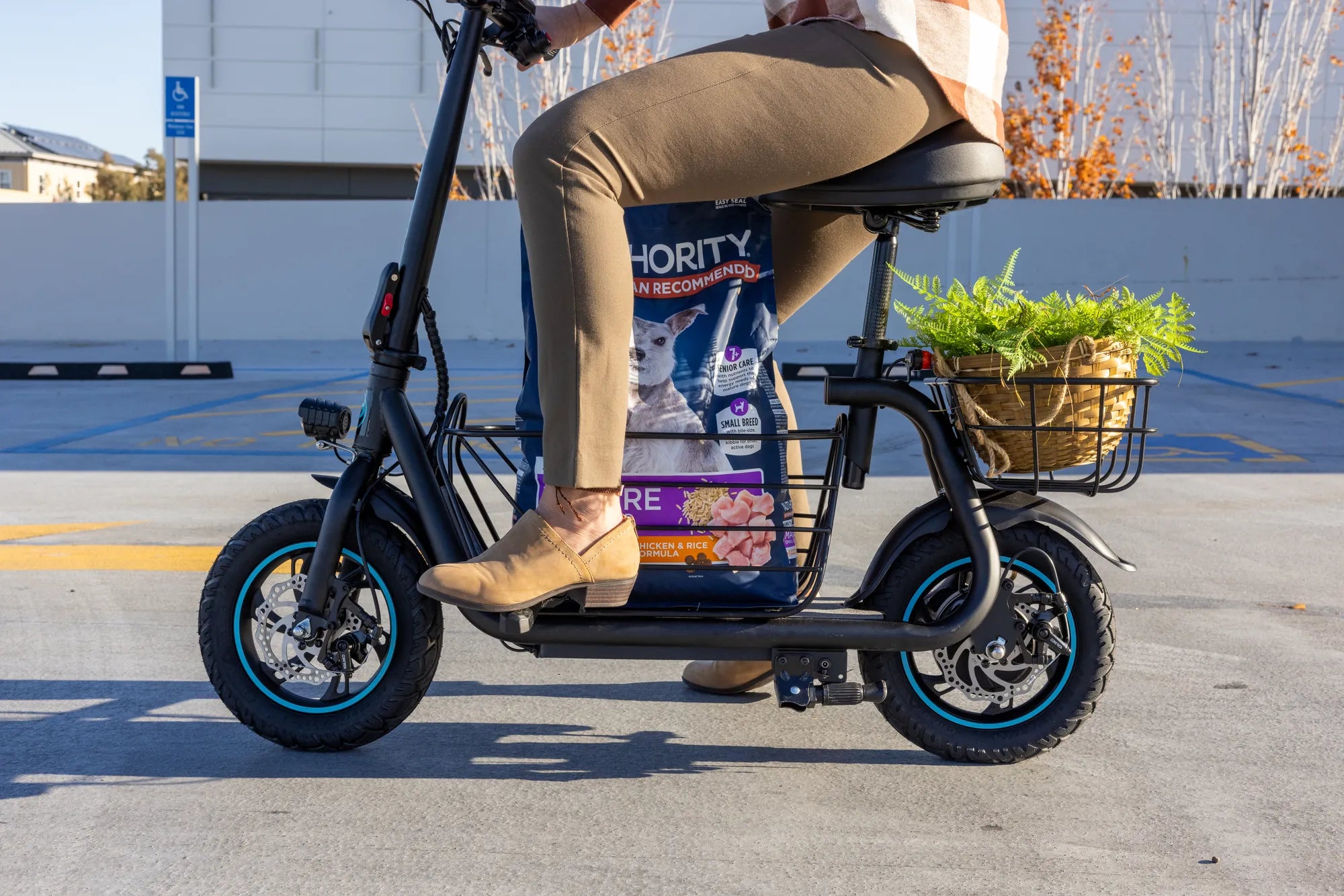
Electric scooters have taken cities by storm, offering a convenient, eco-friendly, and cost-effective way to get around. But as their popularity grows, so does the confusion around their legal status. One of the most common questions riders ask is: does electric scooter require registration? The answer isn’t always straightforward, as regulations vary widely depending on where you live. Whether you’re a daily commuter or an occasional rider, understanding the rules can save you from fines and keep you safe on the road.
Understanding Electric Scooter Regulations
Electric scooters fall into a gray area in many jurisdictions. Unlike cars or motorcycles, they are often classified as "personal mobility devices" rather than motor vehicles. This classification can exempt them from traditional registration requirements, but there are exceptions. Some cities and states have specific laws that mandate registration, especially for higher-powered models.
Local Laws and Variations
In the United States, for example, electric scooter laws differ from state to state. California treats e-scooters similarly to bicycles, requiring no registration, while New York City has stricter rules, including a ban on certain types of scooters. European countries also have varying regulations—Germany requires insurance for e-scooters, whereas the UK treats them like bicycles if they meet specific power and speed limits.
Speed and Power Considerations
One of the key factors determining whether an electric scooter requires registration is its speed and motor power. Scooters with a top speed below 15-20 mph (24-32 km/h) are often exempt, while faster models may need to be registered and insured. Always check your local transportation authority’s guidelines to avoid legal trouble.
Why Registration Might Be Required
Some cities require registration for electric scooters to ensure accountability and safety. Registered scooters can be tracked in case of accidents or theft, and riders may be held to higher safety standards. Additionally, registration fees can contribute to infrastructure improvements like bike lanes and charging stations.
Safety and Liability Concerns
Unregistered scooters can pose risks, especially if riders ignore traffic laws or operate unsafe vehicles. Registration helps authorities enforce rules and reduce accidents. If you’re involved in a collision, having a registered scooter may also simplify insurance claims and legal proceedings.
How to Check Your Local Requirements
Before hitting the road, research your local laws. Visit your city or state’s transportation website, or contact local law enforcement for clarification. Many jurisdictions also have online tools where you can input your scooter’s specifications to see if registration is necessary.
Steps to Register Your Electric Scooter
If registration is required, the process is usually simple. You may need to provide proof of ownership, pay a small fee, and display a registration sticker or plate. Some areas also require a safety inspection before approval.
What Happens If You Don’t Register?
Riding an unregistered scooter where registration is mandatory can result in fines, impoundment, or even legal action. Penalties vary, but they’re often steep enough to make compliance the better option. Beyond legal consequences, unregistered scooters may also be ineligible for insurance coverage, leaving you financially vulnerable in an accident.
Future of Electric Scooter Regulations
As e-scooter usage grows, laws are likely to evolve. Many cities are piloting new regulations to balance convenience with public safety. Staying informed about changes can help you avoid surprises and ride with confidence.
Electric scooters are revolutionizing urban transportation, but navigating the legal landscape can be tricky. Whether your ride requires registration or not, knowing the rules ensures a smoother, safer journey. Don’t let uncertainty slow you down—get the facts and ride smart!
Electric Bike 15 MPH: The Ultimate Guide to Speed, Efficiency, and Fun
Electric Scooter Top Speed 100 kmh India: The Future of High-Speed Commuting