



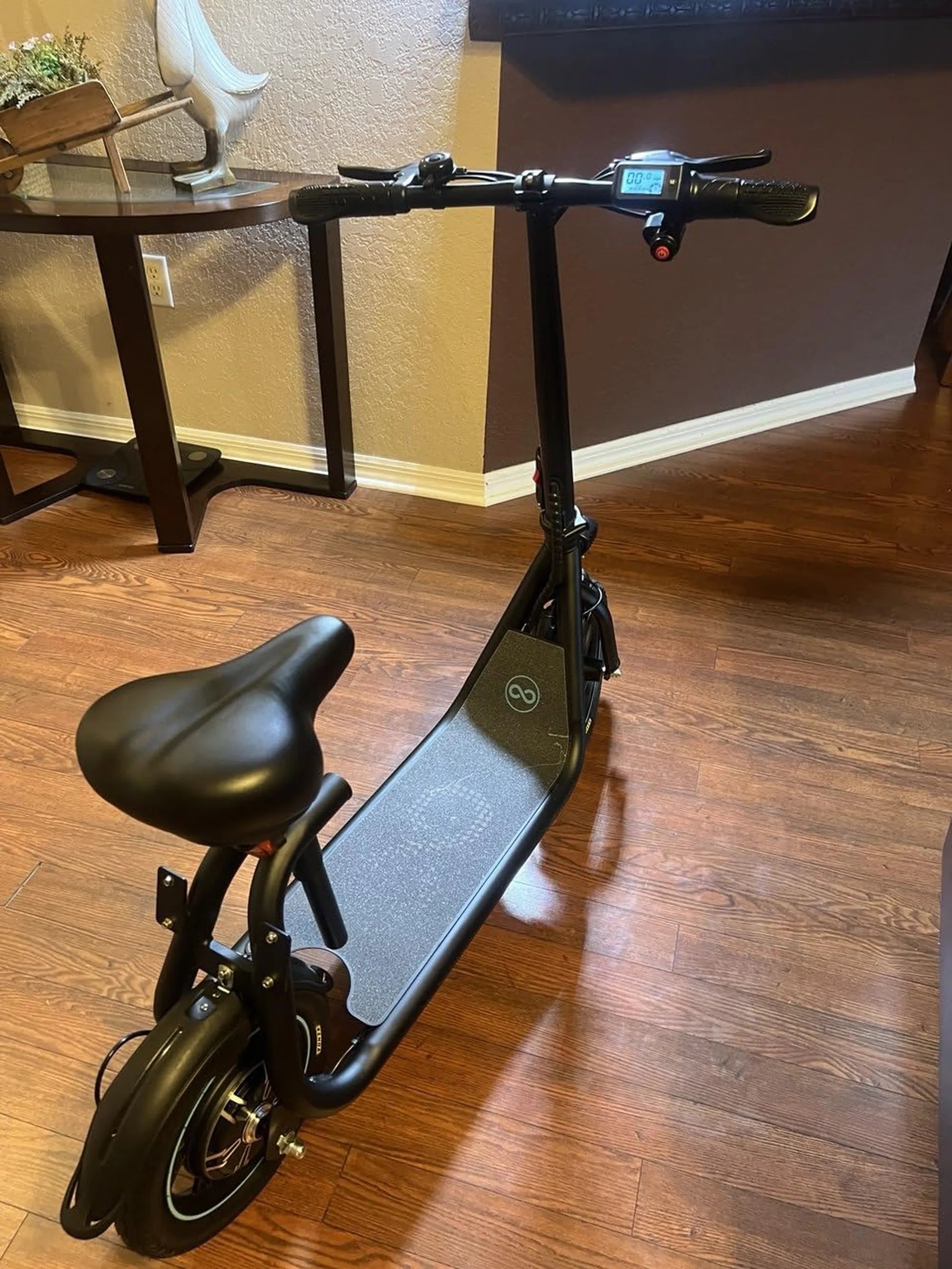
Absolutely. San Diego isn't just a city with electric scooters—it's a national leader in the micromobility revolution. With its iconic 70-mile coastline, nearly perfect year-round weather, and over 500 miles of bike lanes and paths, San Diego is a premier destination for electric scooter riders. This comprehensive guide answers the core question, "Does San Diego have electric scooters?" by exploring the city's dynamic shared programs, the compelling case for personal ownership, and the essential laws and etiquette for safe, seamless riding. You'll learn how to navigate the bustling Gaslamp Quarter, cruise the Mission Beach boardwalk, and discover why a reliable, high-performance personal electric scooter is the ultimate tool for experiencing America's Finest City.
The State of Shared E-Scooters in San Diego
San Diego's relationship with shared electric scooters is both mature and highly regulated. Following an initial boom, the city implemented a formal "Dockless Mobility" permit program to manage operators, ensure public safety, and maintain orderly sidewalks. This program limits the number of companies and total scooters on the street, creating a more sustainable ecosystem than the free-for-all seen in other cities.
Major operators like Lime, Bird, and LINK (by Superpedestrian) hold permits to operate in designated areas. Their fleets are a common sight in high-demand zones: downtown San Diego (including the Gaslamp Quarter and East Village), beach communities from Mission Beach to Pacific Beach, and popular inland neighborhoods like North Park, Hillcrest, and Little Italy. The city uses geofencing technology to create no-ride zones (e.g., certain steep hills, crowded pedestrian plazas) and mandatory slow-speed zones, enhancing safety for all.
Riding a shared scooter in San Diego is straightforward. Users download the respective company's app, create an account with a payment method, and use the map to locate an available scooter. Unlocking is done via QR code, with rates typically combining a small unlock fee (around $1) plus a per-minute charge (usually $0.30-$0.45). It's a perfect solution for tourists and residents making short, spontaneous trips.
However, reliance on shared scooters has drawbacks. Availability can be spotty during peak hours or in less dense neighborhoods. Scooter condition varies widely—batteries may be low, and brakes or tires may be worn. For daily commuters or those seeking a consistently reliable ride, these limitations highlight the advantages of personal electric scooter ownership.
Why Own an Electric Scooter in San Diego?
While shared scooters offer convenience, owning a personal electric scooter transforms your relationship with the city. It provides unmatched freedom and reliability. Your scooter is always ready at your doorstep, eliminating the hunt for an available rental with sufficient charge. For daily commuters, the math quickly favors ownership; the cost of two short shared trips per day can exceed the monthly payment on a high-quality personal scooter within a year.
Personal ownership means zero "battery anxiety." You start every journey with a full charge, confident in your vehicle's range. You can also customize your ride with accessories like phone mounts, cargo baskets, or brighter lights. There's no time limit or pressure to end your ride to avoid extra fees, allowing for leisurely exploration of Balboa Park or a sunset cruise along the Embarcadero.
Furthermore, a personal scooter is a known entity. You maintain its brakes, tires, and overall condition, ensuring optimal safety and performance. You're not dependent on a fleet maintenance crew whose response time can vary. In a city built for outdoor living, a personal electric scooter becomes an extension of your lifestyle, not just a transactional transport option.
Key Features for San Diego Riding: What to Look For
San Diego's specific environment demands certain scooter features for safe, durable, and enjoyable riding. Not all scooters are created equal for coastal urban life.
Water Resistance is Non-Negotiable
While San Diego is famously sunny, morning marine layer fog and occasional drizzle are common, especially near the coast. Riding through damp streets or morning condensation can damage unprotected electronics. Look for a minimum IPX5 water-resistance rating. This certification means the scooter can withstand low-pressure water jets from any direction, making it safe for wet pavement and light precipitation. It’s a critical feature for a reliable daily rider.
Battery Safety and Reliability
Constant sun and warm temperatures can stress battery systems. UL-certified battery packs are essential. They have undergone rigorous independent testing for safety, stability, and longevity, including resistance to overheating. A battery with 500+ rated charge cycles ensures years of dependable service, whether you're commuting from Golden Hill to downtown or running errands in La Jolla.
Performance for Gentle Hills and Distance
San Diego may seem flat along the coast, but many neighborhoods feature gentle, sustained inclines. A motor with continuous power of at least 350W is recommended for maintaining speed on hills like those in Bankers Hill or Old Town. A real-world range of 15-20 miles on a single charge covers most intra-city trips without worry, from Ocean Beach to the San Diego Zoo and back.
Build Quality and Warranty
Daily use on varied pavement requires a robust frame, quality suspension (if available), and durable tires. A comprehensive 1-year warranty on the motor, battery, and controller provides peace of mind. It signals the manufacturer's confidence in their product's ability to handle daily urban commuting.
Navigating San Diego Safely: Laws, Lanes, and Etiquette
Understanding and following local rules is paramount for your safety and the positive perception of micromobility. San Diego Municipal Code treats electric scooters similarly to bicycles.
Where to Ride: Electric scooters are generally prohibited on sidewalks in business districts (like downtown). They must be ridden in the street, preferably in a designated bike lane. On streets without bike lanes, ride as close to the right-hand curb as practicable. Riding is permitted on multi-use paths like the Mission Beach boardwalk, but you must yield to pedestrians and reduce speed. Geofenced no-ride zones for shared scooters also serve as good guidance for personal scooter riders.
Helmet Laws: California law requires all riders under 18 to wear a helmet. For adults, while not mandated by law, wearing a helmet is strongly recommended and is a fundamental safety best practice. Always use a CPSC-certified helmet.
Speed Limits: The maximum speed for an electric scooter on a roadway or bikeway is 15 mph. On downhill slopes, you must not exceed the posted speed limit. Many personal scooters can go faster; it is the rider's responsibility to obey the legal limit.
Parking Etiquette: When parking, never block sidewalks, ADA ramps, building entrances, or bus stops. Park upright in a "furniture zone" next to the curb or in a designated corral. The rule is simple: leave the path clear for pedestrians, especially those with disabilities or strollers.
Gyroor Scooters: Engineered for the San Diego Lifestyle
For San Diegans seeking a personal electric scooter that matches the city's demands for reliability, safety, and performance, Gyroor stands out. As a leading electric scooter and e-bike brand trusted by over 100,000 riders across North America and Europe, Gyroor designs its products with real-world urban and suburban commuting in mind.
Gyroor models directly address San Diego's specific needs. Their commitment to IPX5 water-resistant designs ensures your scooter is protected against coastal moisture. Every model uses UL-certified battery packs rigorously tested for 500+ charge cycles, providing essential safety and longevity under the California sun. This is backed by a reliable 1-year comprehensive warranty, supported by US-based customer service.
Whether you need a compact, lightweight model for last-mile connections from the trolley, a powerful commuter scooter with dual suspension for navigating downtown streets, or a long-range cruiser for weekend beach-hopping, Gyroor's lineup of 20+ models offers a fit. It’s the difference between using a scooter and owning a trusted personal mobility vehicle built for the long haul.
Shared vs. Personal: A Detailed Comparison
| Consideration | Shared E-Scooters (Lime, Bird, LINK) | Personal E-Scooter (e.g., Gyroor) |
|---|---|---|
| Cost Over Time | High for regular use (~$5-10 per short trip). | Higher upfront, but cost-effective within months for daily riders. |
| Availability & Convenience | Subject to demand; may be unavailable or have low battery. | Always available at your home/office, fully charged and ready. |
| Condition & Performance | Variable; tires/brakes may be worn; speed may be capped. | Consistently maintained by you; full performance always available. |
| Customization | None. Standardized model with no accessories. | Full ability to add lights, phone mounts, cargo options, etc. |
| Range & Battery | Limited by remaining charge; "battery anxiety" common. | Full known range every time; charge at your convenience. |
| Ideal Use Case | Tourists, one-off errands, spontaneous short trips. | Daily commuters, primary transport users, enthusiasts. |
Your San Diego E-Scooter Adventure Awaits
San Diego's electric scooter scene offers the best of both worlds: a well-managed shared network for convenience and a perfect urban landscape for personal ownership. The city's infrastructure, climate, and culture actively support this clean, efficient, and fun mode of transport. Moving beyond the simple question of "Does San Diego have electric scooters?" reveals a deeper opportunity. By choosing a reliable, feature-rich personal scooter designed for durability and safety, you gain more than a vehicle—you gain a key to the city. It's an invitation to discover hidden gems, bypass traffic, connect with the outdoors, and experience San Diego with a newfound sense of freedom and agility.
FAQ: Your San Diego E-Scooter Questions Answered
Q: Can I ride an electric scooter on the Mission Beach boardwalk?
A: Yes, the Mission Beach boardwalk is a multi-use path where electric scooters are permitted. However, you must ride at a safe speed (well below 15 mph), yield right-of-way to all pedestrians, and exercise extreme caution, especially on crowded weekends.
Q: Are electric scooters allowed on the Coronado Ferry?
A: Yes, electric scooters are generally allowed on the San Diego Bay Ferry to Coronado. They should be folded (if possible) and stored out of the way of other passengers. It's always best to check with the ferry operator for any specific rules before boarding.
Q: What's the fine for illegal scooter parking in San Diego?
A: The city can issue citations for improperly parked scooters that obstruct the public right-of-way. Fines typically start at $100 and can increase for repeat violations. Always park responsibly in the "furniture zone" or a designated corral.
Q: Which neighborhoods are best for scooter commuting?
A> Downtown, Little Italy, East Village, North Park, Hillcrest, and the beach communities (Pacific Beach, Mission Beach) are excellent due to their density, relatively flat terrain, and extensive network of bike lanes. The dedicated bike paths along the Embarcadero and through Balboa Park are also superb.
Q: Do I need a driver's license to ride an e-scooter in San Diego?
A: Yes. California law requires riders of electric scooters to have a valid driver's license or instruction permit.
Q: How does Gyroor ensure safety for daily commuting?
A> Gyroor prioritizes safety through multiple layers: UL-certified batteries prevent overheating risks, IPX5 water resistance protects against electrical faults from moisture, reliable disc or electronic braking systems ensure control, and robust frame construction provides stability. Their 1-year warranty and US-based support add further security for your investment.
Electric Scooters London: The Ultimate Guide to Urban Mobility
Do Electric Scooters Come With Chargers? The Complete Guide to Powering Your Ride