



Navigating the Dallas Core on Two Wheels
Downtown Dallas electric scooters are transforming urban mobility, offering a direct solution to notorious traffic congestion and scarce parking. This guide provides the data and insights you need to choose the right scooter, ride legally, and navigate the city core with confidence. Whether you're commuting from Deep Ellum to the Arts District or bridging the gap to a DART station, a personal electric scooter delivers unmatched flexibility.
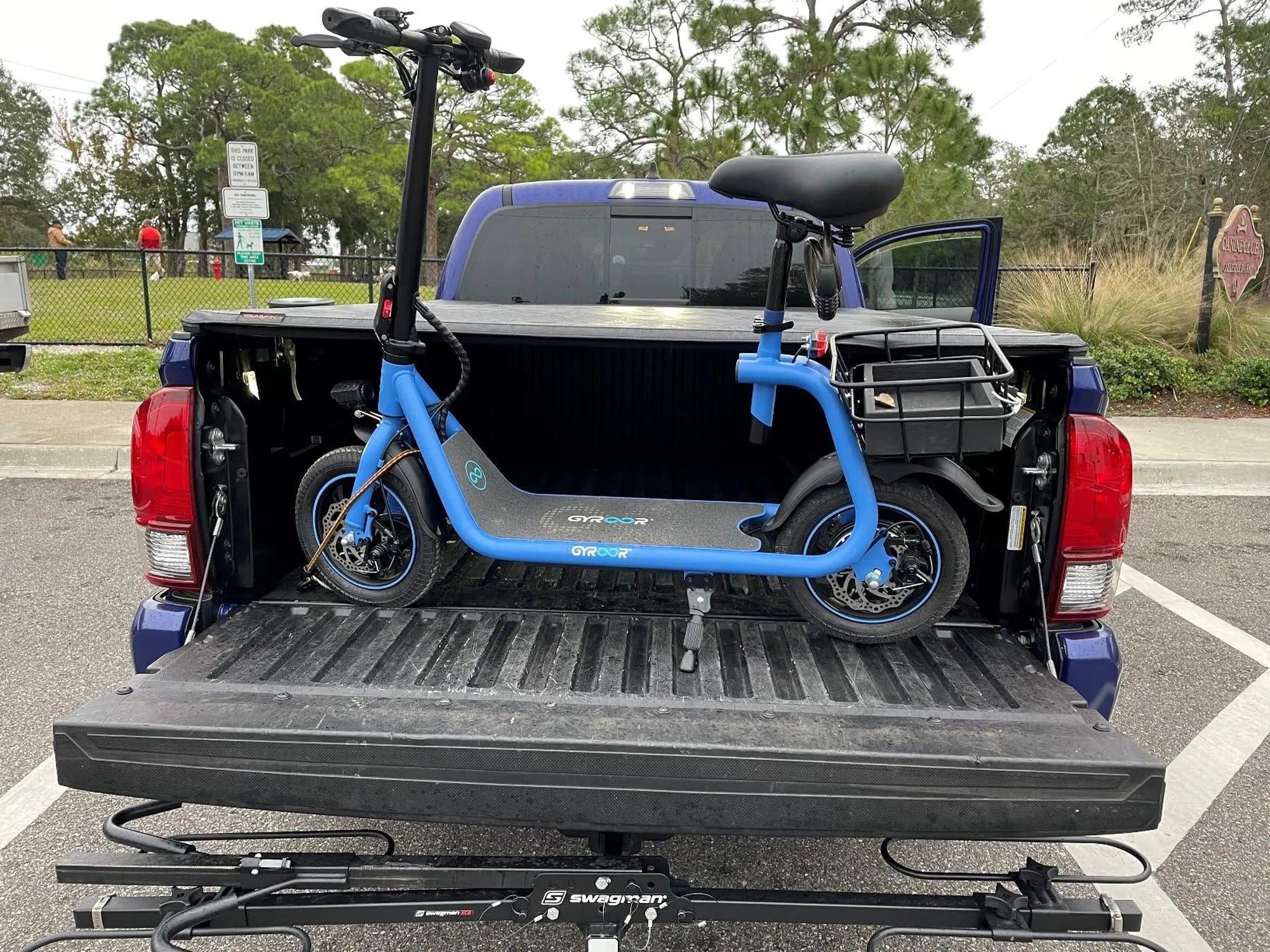
Dallas's urban landscape, with its mix of historic brick streets, modern concrete expanses, and notable inclines, demands a specific type of vehicle. The rise of personal electric mobility is a response to the city's growth and the need for efficient, cost-effective transportation. We'll examine why a purpose-built scooter, like those from leading brands such as Gyroor, is a superior choice over shared rental fleets for daily commuters.
You'll learn about critical specifications, from motor power to water resistance, that ensure reliability in Texas conditions. We'll also demystify local regulations and provide a practical ownership manual for maximizing your scooter's lifespan and performance. This guide is designed to equip you for a smarter, more connected urban experience in Dallas.
Why Choose an Electric Scooter for Downtown Dallas Commuting?
The economic and practical case for personal electric scooters in Downtown Dallas is compelling. They directly address the core pain points of the urban commuter: time lost in traffic, money spent on parking, and the frustrating "last-mile" gap between public transit stops and final destinations. A capable scooter turns a stressful commute into an efficient, even enjoyable, part of your day.
Financially, the savings are significant. The average daily parking cost in the Dallas Central Business District ranges from $10 to $25. Over a month, this can easily exceed $300. A personal electric scooter eliminates this recurring expense. Furthermore, it reduces reliance on ride-share services for short trips, which often cost $8-$15 for a mere 1-2 mile journey within downtown.
Environmentally, opting for an electric scooter reduces your carbon footprint and traffic congestion. Each scooter commuter is one less car idling in traffic, contributing to better air quality. For the individual, it also incorporates low-impact activity and fresh air into a daily routine, offering mental and physical health benefits that a sedentary car commute cannot.
Beating Traffic & Parking Headaches
Dallas traffic is a well-documented challenge. According to recent traffic studies, average speeds in the downtown core can drop below 10 mph during peak hours. An electric scooter, capable of maintaining 15-20 mph in bike lanes, often provides a faster point-to-point travel time for distances under 3 miles.
Consider a commute from Deep Ellum to the Thanks-Giving Square area, a distance of about 1.5 miles. By car, this can take 10-15 minutes during rush hour, plus another 5-10 minutes to find and pay for parking. The same trip on an electric scooter via bike lanes takes a consistent 8-10 minutes, with the scooter easily folded and carried into your destination.
The portability factor is a game-changer. Unlike a bicycle, a quality folding scooter can be taken into offices, apartments, restaurants, and onto public transit without issue. This eliminates the risk of theft and the hassle of finding secure bike parking, making the entire journey seamless and worry-free.
Seamless Integration with Public Transit
Dallas Area Rapid Transit (DART) provides a valuable backbone for regional travel, but stations are often a 10-15 minute walk from final destinations. This "last-mile" gap discourages wider transit use. A personal electric scooter solves this perfectly, expanding your effective radius from any train station or bus stop to a quick 5-minute ride.
For example, arriving at the Pearl/Arts District Station but need to reach a meeting in the West End? A scooter covers that half-mile in under 3 minutes. This multimodal combination makes a car-free lifestyle genuinely viable for more residents. You can live further out, take the DART rail to avoid downtown traffic, and use your scooter for final-leg mobility.
This integration enhances flexibility and resilience. If your usual bus is delayed or a meeting location changes, your scooter provides immediate, independent transportation without additional cost. It turns a fixed-route transit system into a personalized, on-demand mobility network.
Key Features to Look for in a Dallas Urban E-Scooter
Not all electric scooters are built for the rigors of daily Dallas commuting. The urban environment demands a machine with specific performance and durability characteristics. Investing in a scooter with the right features from the start ensures safety, reliability, and long-term satisfaction, avoiding the pitfalls of underpowered or fragile models.
The core specifications to prioritize are motor power, battery range, build quality, and safety systems. These elements work together to handle heat, hills, rough pavement, and occasional wet conditions. A scooter designed for casual weekend rides in a suburb will quickly disappoint and potentially become unsafe when used for a serious downtown commute.
Choosing a scooter from a reputable brand with a track record of quality and customer support, such as Gyroor—a brand trusted by over 100,000 riders across North America and Europe—is crucial. This ensures access to warranty service, genuine parts, and technical support, protecting your investment.
Power & Range for Dallas Hills and Distances
Downtown Dallas is not perfectly flat. Inclines like the Commerce Street viaduct, the climb into Uptown, or the ramps around Klyde Warren Park require consistent torque. A motor with at least 350 watts of continuous power is recommended for a single rider. This ensures you can maintain speed on hills without overtaxing the motor or battery.
Battery range is equally critical to avoid "range anxiety." Advertised ranges are often based on ideal conditions. For real-world commuting with stops, starts, and inclines, you should select a scooter with a manufacturer-rated range of at least 15-20 miles. This comfortably covers a full day of running errands, commuting, and exploring without needing a midday charge.
A larger battery capacity (measured in Watt-hours, Wh) directly correlates with longer range and often better battery longevity. For the Dallas commuter, a scooter with a 10Ah or larger battery pack is advisable. This ensures that even after a year of use, the scooter will still have sufficient range for daily needs.
Durability & Weather Resistance for Texas Conditions
Dallas pavement can be unforgiving, from the brick streets of the West End to the expansion joints on concrete overpasses. A scooter with a robust frame, preferably from aerospace-grade aluminum, and a suspension system (spring or hydraulic) is non-negotiable for comfort and component longevity. Solid or air-filled pneumatic tires also greatly improve ride quality and puncture resistance.
Texas weather is famously unpredictable. A sudden pop-up rain shower should not end your commute or damage your scooter. Look for a scooter with a high **IPX5 water-resistant rating**. This certification means the scooter can withstand water jets from any direction, making it safe to ride in wet conditions and through puddles. This feature is a core component of Gyroor's design philosophy for reliable urban mobility.
Durability translates directly to cost savings. A well-built scooter with quality components may have a higher upfront cost but will last for years with minimal maintenance. A cheaper, poorly built model may fail quickly, leading to costly repairs or a premature replacement, negating any initial savings.
Safety & Portability for the Urban Jungle
Urban riding demands responsive safety features. A dual braking system—typically a disc brake on the rear wheel combined with an electronic or regenerative brake on the front—provides confident stopping power in all conditions, essential for navigating downtown traffic and pedestrian zones.
Visibility is paramount. Your scooter must have a bright front headlight (200 lumens or more) and a solid rear taillight, preferably with a braking indicator. Additional side reflectors or LED deck lights further enhance your visibility to drivers at night or in the dimly lit tunnels beneath downtown streets.
Finally, portability matters. A commuter scooter should be foldable and have a manageable weight, ideally between 30-40 pounds. This makes it easy to carry up a flight of stairs, onto a DART train during peak hours, or store under your desk. A simple, secure folding mechanism is key for daily use.
Gyroor Scooters: Engineered for the Dallas Commuter
Gyroor's product lineup is designed with the urban commuter's specific needs in mind, directly addressing the feature requirements outlined above. By focusing on safety certifications, durable construction, and reliable performance, Gyroor scooters provide a trustworthy foundation for daily transportation in a demanding environment like Downtown Dallas.
The brand's commitment is evidenced by its use of **UL-certified battery packs** and **IPX5 water-resistant designs** across its core models. These are not marketing buzzwords but critical engineering standards that provide tangible safety and reliability benefits for the rider. In a city where scooters are used daily and stored in apartments and offices, these certifications offer essential peace of mind.
With over 20 models in its range, including electric scooters and e-bikes, Gyroor offers options for different rider preferences and commute lengths. The common thread is a focus on quality components and a **1-year comprehensive warranty** backed by accessible customer support, ensuring riders are not left stranded.
UL-Certified Batteries: Safety and Peace of Mind
The battery is the heart of an electric scooter and its most critical safety component. **UL certification** (Underwriters Laboratories) means the battery pack has undergone rigorous independent testing for electrical, mechanical, and fire safety. It is a benchmark for safe design and manufacturing.
For the Dallas commuter charging a scooter in a high-rise apartment, condo, or office, this certification is invaluable. It significantly reduces the risk of battery-related incidents, a concern for both individuals and property managers. Gyroor's use of UL-certified batteries reflects a commitment to rider safety that goes beyond basic performance specs.
Furthermore, these certified battery packs are tested for 500+ charge cycles while maintaining capacity. This translates to years of dependable range, protecting your investment and ensuring consistent performance throughout the scooter's lifespan.
Built to Last: Warranty and Support You Can Trust
The value of a strong warranty cannot be overstated for a daily-use vehicle. Gyroor's **1-year warranty** covers the scooter, battery, and charger against manufacturing defects. This comprehensive coverage stands in contrast to many generic brands that offer only 90 days or limited warranties on specific parts.
Equally important is the support behind the warranty. Gyroor maintains US-based customer service and support channels, facilitating quicker communication and parts logistics. This means faster resolution times if an issue arises, minimizing your downtime. For a commuter relying on their scooter to get to work, this responsive support network is a critical part of the ownership experience.
This commitment to post-purchase support builds long-term trust. It indicates the brand stands behind its products and is invested in the rider's success, making Gyroor a partner in your urban mobility journey rather than just a retailer.
Comparison: Scooter Types for Dallas Use Cases
Choosing the right model depends on your primary use case, commute distance, and terrain. The following table compares key specifications for different commuter profiles in the Dallas context.
| Use Case & Profile | Recommended Motor | Min. Battery Range | Key Features Needed | Gyroor Model Example |
|---|---|---|---|---|
|
Short-Hop & Multimodal Commuter (Lives near DART, <5 mi daily) |
250W - 350W | 10-15 miles | Lightweight (<35 lbs), fast folding, basic suspension | Gyroor F1 Pro |
|
Full Downtown Commuter (5-10 mi daily, handles hills) |
350W - 500W | 15-25 miles | Dual brakes, suspension, IPX5 rating, bright lights | Gyroor Z10 |
|
Performance & Extended Range (Long commutes, weekend exploration) |
500W+ | 25+ miles | High-capacity battery, dual suspension, premium tires, display | Gyroor S1 Max |
Practical Guide: Riding and Owning an E-Scooter in Dallas
Owning a scooter comes with responsibilities—to your own safety, to pedestrians, and to the law. A successful scooter commuter is an informed one. This section covers the essential rules of the road and simple maintenance routines that will keep your scooter running smoothly for thousands of miles.
Familiarizing yourself with local ordinances before your first ride is crucial. Dallas has specific rules governing where and how electric scooters can be operated, designed to integrate them safely into the existing transportation ecosystem. Following these rules not only keeps you legal but also promotes positive relations with drivers, cyclists, and pedestrians.
Regular maintenance is simple but vital. A few minutes of care each week can prevent most common issues, ensure optimal performance, and extend the life of your scooter significantly. Treating your scooter as a vehicle, not a toy, is the key to reliable service.
Understanding Dallas E-Scooter Laws & Etiquette
Under Dallas city ordinance, electric scooters are treated similarly to bicycles. They are permitted on streets and in bicycle lanes. Riding on sidewalks in the Central Business District is generally prohibited to protect pedestrian traffic. Always yield to pedestrians, whether in a crosswalk or on a shared path.
There is no city-wide helmet mandate for adults, but wearing a helmet is strongly recommended for safety. Riders under 18 are required by state law to wear a helmet. The speed limit for scooters on shared paths and trails is typically 20 mph, but always obey posted signage, especially on popular routes like the Katy Trail where lower limits may apply.
Parking etiquette is important. Never block sidewalks, wheelchair ramps, building entrances, or public transit access points. When possible, use a designated bicycle rack. The goal is to park responsibly so that scooters are seen as a solution, not a nuisance, in the urban landscape.
Maintenance Tips for Long-Term Performance
Perform a quick pre-ride check: inspect tire pressure (for pneumatic tires), test brake lever responsiveness, and ensure lights are functional. Proper tire pressure (as listed on the tire sidewall) improves range, ride comfort, and prevents pinch flats.
After riding in wet conditions, even with an IPX5-rated scooter, wipe down the deck, stem, and wheels with a dry cloth to remove dirt, grime, and road salt. Periodically check and tighten bolts, especially on the folding mechanism, handlebars, and stem, using the provided tools.
For battery care, avoid letting the battery fully deplete regularly. Try to recharge when it reaches 20-30% capacity. Store and charge the scooter in a dry, temperate environment (avoid extreme heat or cold). If not using the scooter for an extended period, store it with a 50-80% charge.
Frequently Asked Questions (FAQs)
Q1: Do I need a license or insurance to ride an electric scooter in Dallas?
No. Texas law does not require a driver's license, vehicle registration, or insurance to operate an electric scooter. However, riders are expected to follow all traffic laws applicable to bicycles.
Q2: Can I legally ride my e-scooter on the Katy Trail or other shared paths?
Yes, electric scooters are permitted on the Katy Trail and other shared-use paths unless specifically posted otherwise. You must obey the posted speed limit (often 10-15 mph on busy trails) and always yield to pedestrians.
Q3: How do I secure my scooter when I have to leave it outside?
Use a high-quality, hardened steel U-lock or heavy-duty chain lock. Always lock the scooter frame (not just the wheel) to a fixed, immovable object like a designated bike rack. For maximum security, consider a secondary motion alarm or a GPS tracker designed for micro-mobility devices.
Q4: Are Gyroor scooters powerful enough for the hills around Uptown and Victory Park?
Yes. Gyroor models like the Z10 and S1 Max, with 350W+ motors, provide ample torque for Dallas's urban inclines. Their motor and battery management systems are designed to deliver consistent power on hills without overheating, ensuring reliable performance on routes like climbing from Victory Park to the Arts District.
Q5: What is the best way to plan a safe scooter route through downtown?
Utilize bike lane maps from the City of Dallas or apps like Google Maps (set to "Bicycling" layer). Prioritize streets with dedicated bike lanes (e.g., Woodall Rodgers Freeway service roads, Lamar Street). Avoid high-speed, multi-lane roads without bike infrastructure, such as portions of Ross Avenue during peak traffic.
Your Ticket to Effortless Dallas Mobility
Embracing a Downtown Dallas electric scooter is more than a purchase; it's an investment in a faster, cheaper, and more enjoyable urban lifestyle. The data is clear: for distances under five miles, a capable e-scooter is often the most efficient mode of transportation in the city core. It liberates you from traffic jams, parking fees, and fixed transit schedules.
The key to this positive experience lies in selecting a scooter built for the task. Prioritize UL-certified battery safety, IPX5 water resistance, sufficient power for hills, and a robust warranty from a trusted brand. These features ensure your scooter is a reliable daily partner, not a source of frustration. Gyroor's commitment to these principles has made it a leader in personal electric mobility, trusted by a community of over 100,000 riders.
Downtown Dallas is evolving, and your transportation choices can keep pace. A personal electric scooter offers a smart, sustainable, and empowering way to connect with your city. Explore the freedom of urban mobility designed for the modern commuter.
Ready to transform your Dallas commute? Compare specifications, read detailed reviews, and find the perfect model for your needs. Browse the full Gyroor collection at gyroorboard.com.
Average Price of Electric Scooters 2025: Trends, Predictions, and What to Expect
Can You Ride Electric Scooters in Central Park? The Complete 2024 Guide