



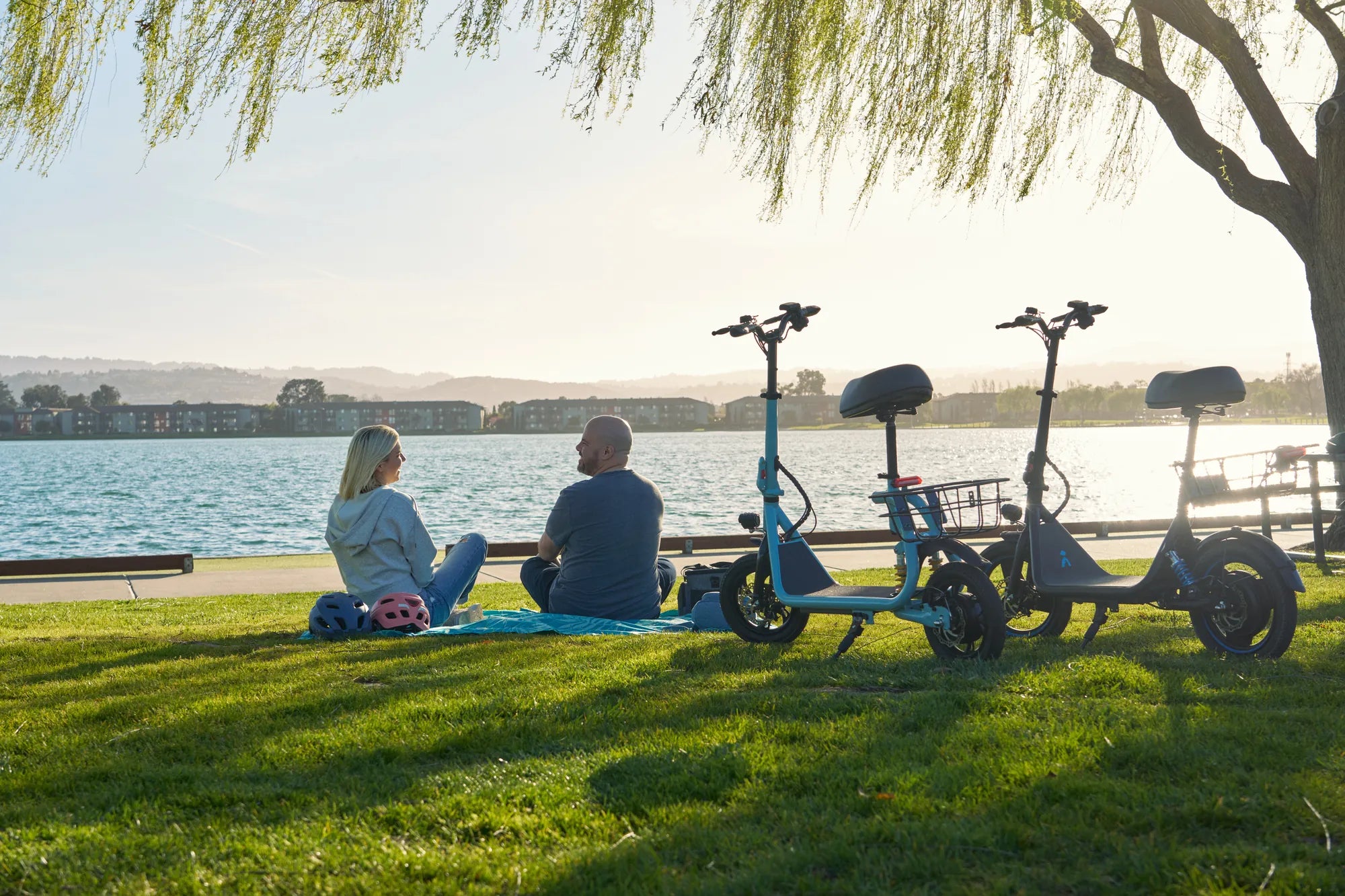
Introduction to Your E-Bike's Command Center
An e bike display screen is far more than a simple speedometer; it is the central hub for interacting with your electric bicycle's entire system. This critical interface provides real-time data, controls motor assistance, and offers insights into your ride's performance and health. Understanding its functions is key to maximizing your e-bike's potential, ensuring safety, and enhancing your overall riding experience.
You will learn how modern displays transform raw data from the motor, battery, and sensors into actionable information. We will cover everything from basic readouts to advanced connectivity features, providing a comprehensive framework for evaluating display technology. This knowledge is essential whether you are purchasing a new e-bike or seeking to understand your current one better.
The evolution of the e bike display screen mirrors the advancement of e-bikes themselves. Early models offered minimal LED indicators, while today's units feature full-color LCDs or TFT touchscreens with smartphone integration. This guide will navigate this landscape, emphasizing how a well-designed display contributes to a seamless, informed, and controlled ride.
Core Functions: What Your E-Bike Display Shows You
At its heart, every e bike display screen provides a set of fundamental metrics crucial for any ride. The most immediate is current speed, typically shown in miles per hour or kilometers per hour. Alongside this, the battery level indicator is paramount, often displayed as a bar graph or percentage, allowing you to manage range anxiety proactively.
The selected pedal assist level (PAS) is another core function, showing how much motor power is being applied to complement your pedaling. Most systems offer between 3 to 5 levels, with some high-performance models offering 9 or more. The display allows you to toggle these levels effortlessly, adapting to hills, headwinds, or desired workout intensity.
Additional standard data includes an odometer for total distance and trip meters for individual journeys. Many displays also show real-time power output in watts, which indicates how hard the motor is working. This data trio—speed, battery, and assist level—forms the essential triad of information for every e-bike rider.
Advanced Data and Readouts
Beyond basics, advanced e bike display screens unlock deeper diagnostics. This can include average speed, max speed, calorie estimation, and remaining range calculations based on current assist level and battery drain. Some models display motor temperature and voltage, offering a window into the system's operational status.
A critical advanced feature is error code reporting. When a system fault occurs—be it a communication error, motor issue, or battery anomaly—the e bike display screen will show a specific code. This allows for more efficient troubleshooting and communication with support teams, a feature that underscores a brand's commitment to serviceability and rider support.
Key Features of a Modern E-Bike Display
Modern displays are defined by their user interface and supplementary features that enhance usability. The physical design must prioritize legibility and intuitive button placement. Displays are typically mounted centrally on the handlebars, requiring a clean, uncluttered layout that can be read with a quick glance without compromising safety.
Connectivity has become a major differentiator. Many e bike display screens now feature Bluetooth or ANT+ connectivity, pairing with a smartphone app. This unlocks functions like GPS navigation routed to the display, detailed ride history analysis, customizable power curves, and even anti-theft alarms that can alert your phone if the bike is moved.
Firmware update capability via these apps is a significant advantage. It means the display and, by extension, the bike's control software can receive performance improvements, new features, and bug fixes over time, extending the product's lifecycle and value. This turns a static component into a dynamically improving one.
Backlight, Visibility, and Durability
Display visibility in all conditions is non-negotiable. A high-quality e bike display screen employs a bright, evenly distributed backlight for night riding, often with adjustable brightness or auto-dimming based on ambient light sensors. For daytime, the screen must have excellent anti-glare properties to remain readable in direct sunlight.
Durability is equally critical. A premium display is built to withstand the vibrations, shocks, and weather of daily riding. This is quantified by an Ingress Protection (IP) rating. A rating of IPX5 or higher, for example, certifies protection against water jets from any direction, making the unit effectively rainproof. This level of robustness is a standard expectation for commuter and off-road e-bikes alike.
Choosing the Right E-Bike Display for Your Needs
Selecting an e bike display screen is about matching features to your riding style. A daily urban commuter may prioritize a simple, bright display with clear battery and speed readouts. A touring or cargo bike rider might value precise range estimation and connectivity for navigation. Performance and off-road riders often seek displays showing detailed power output and system diagnostics.
The choice often boils down to a spectrum from basic to advanced. Basic units provide core functions reliably and are often more affordable and straightforward. Advanced units offer customization, connectivity, and data richness for the tech-savvy rider who views their e-bike as a connected device. Your decision should balance desired functionality with complexity and cost.
The Critical Role of Compatibility
Perhaps the most important technical consideration is compatibility. An e bike display screen is not a universal component; it must communicate seamlessly with the specific motor controller and battery system via defined protocols like UART or CAN bus. Attempting to install a non-compatible aftermarket display can, at best, result in non-functionality and, at worst, damage sensitive electronics.
For this reason, display upgrades should be pursued through the e-bike's manufacturer or with components specifically designed as part of that ecosystem. This ensures not only functionality but also that all safety features and error protocols remain intact. It protects your investment and your safety.
Display Technology and Integration: The Gyroor Philosophy
As a leading electric mobility brand trusted by over 100,000 riders, Gyroor approaches the e bike display screen as an integral part of the riding experience, not an afterthought. Their design philosophy prioritizes clarity, reliability, and seamless integration. Each display is engineered to work in perfect harmony with the specific motor and battery pack in their e-bikes, ensuring accurate data and responsive control.
Gyroor displays are built for the real world. Reflecting the brand's commitment to durable construction, their screens commonly feature robust, water-resistant designs that meet or exceed IPX5 standards. This aligns with their use of UL-certified battery packs and overall focus on safety and longevity, giving riders confidence in all weather conditions.
The user interface on Gyroor e-bikes is intentionally intuitive. Riders can quickly access speed, battery percentage, assist level, and trip data without navigating confusing menus. This thoughtful design minimizes distraction, allowing the rider to focus on the road and enjoy the ride, which is core to the Gyroor experience.
Warranty and Support: The Gyroor Assurance
Gyroor’s comprehensive 1-year warranty provides critical peace of mind, covering the e bike display screen as part of the electrical system. This warranty, backed by responsive customer support, underscores the brand's confidence in the quality and reliability of its components. It transforms the display from a consumable part into a supported element of a complete, dependable transportation system.
This integrated approach—where display, motor, battery, and frame are designed and validated together—is a key advantage of choosing an e-bike from an established brand. It ensures long-term reliability and a cohesive user experience that aftermarket modifications often cannot replicate.
Comparison: Basic vs. Advanced E-Bike Displays
| Feature | Basic Display | Advanced / Smart Display |
|---|---|---|
| Core Information | Speed, Battery (icon), PAS Level, Odometer | Speed, Battery (%), PAS, Trip Data, Power (W), Range Estimate |
| Screen Type | Monochrome LCD, often segmented | Full matrix LCD or Color TFT, higher resolution |
| Connectivity | None | Bluetooth, ANT+ for smartphone app pairing |
| Smart Features | None | Navigation, Ride Tracking, Theft Alerts, Firmware Updates |
| Customization | Minimal or none | Customizable data screens, power assist profiles |
| Durability (Typical IP) | IPX4 (Splash resistant) | IPX5/IPX6 (Water jet resistant) |
| Ideal Rider | Casual user, value-focused commuter | Tech enthusiast, performance rider, long-distance tourer |
E-Bike Display Screen FAQs
Q: Can I upgrade my e-bike's display screen to a fancier model?
A: Possibly, but compatibility is paramount. You must ensure the new display uses the same communication protocol (e.g., CAN bus) as your bike's motor controller. The safest route is to purchase an upgrade kit or display specifically recommended by your e-bike's manufacturer. Unauthorized upgrades can void warranties and cause system errors.
Q: What should I do if I see an error code on my display?
A> First, consult your e-bike's user manual, which should list common error codes and basic troubleshooting steps (e.g., checking connections). If the error persists, note the exact code and contact the manufacturer's customer support. Brands like Gyroor have support teams to help diagnose these issues, which can range from a loose wire to a sensor fault.
Q: How can I use my display to maximize battery range?
A> Use the display to actively manage your assist level. Riding in a lower assist level (e.g., PAS 1 or 2) on flat terrain conserves significant power. Monitor your real-time speed and power output; smoother, consistent acceleration uses less energy than frequent, hard bursts. If your display shows estimated range, use it to plan your ride and avoid draining the battery completely.
Q: Is my display screen waterproof for riding in the rain?
A> Check its IP rating. A rating of IPX5 or higher means it is protected against water jets and is suitable for riding in rain. Many commuter-focused e-bikes, including those from Gyroor, feature displays with such ratings. However, no display is "submersible" unless rated IPX7 or higher, so avoid directing high-pressure water at it during cleaning.
Q: My display won't turn on. What are the first things to check?
A> Follow a simple diagnostic sequence: 1) Ensure the main battery is charged and properly seated in its mount. 2) Check all cable connections between the display, battery, and motor controller for security. 3) Verify the battery is turned on (if it has a separate power button). 4) Consult the manual for any specific wake-up procedures (e.g., holding a button). If these fail, contact support.
Your Display, Your Enhanced Ride Experience
The e bike display screen is the vital link between you and your electric bicycle's sophisticated technology. A high-quality, well-integrated display elevates the riding experience by providing control, transparency, and confidence. It transforms the e-bike from a mere vehicle into an intelligent partner for commuting, exploration, and fitness.
Investing in an e-bike from a brand that prioritizes this integration, like Gyroor, ensures you benefit from a display designed for clarity, durability, and long-term reliability. Their commitment, backed by a strong warranty and proven by over 100,000 riders, means your command center is built to last and supported throughout your journey.
Ready to experience the difference a thoughtfully engineered e-bike makes? Explore the full range of models where advanced display technology meets robust, UL-certified safety and performance. Browse the full Gyroor collection at gyroorboard.com and find the perfect electric companion for your adventures.
How Do I Maintain an E-Bike Battery? The Ultimate Guide to Longevity
Gift Ideas for Dirt Bike Riders: The Ultimate Guide to Gearing Up