



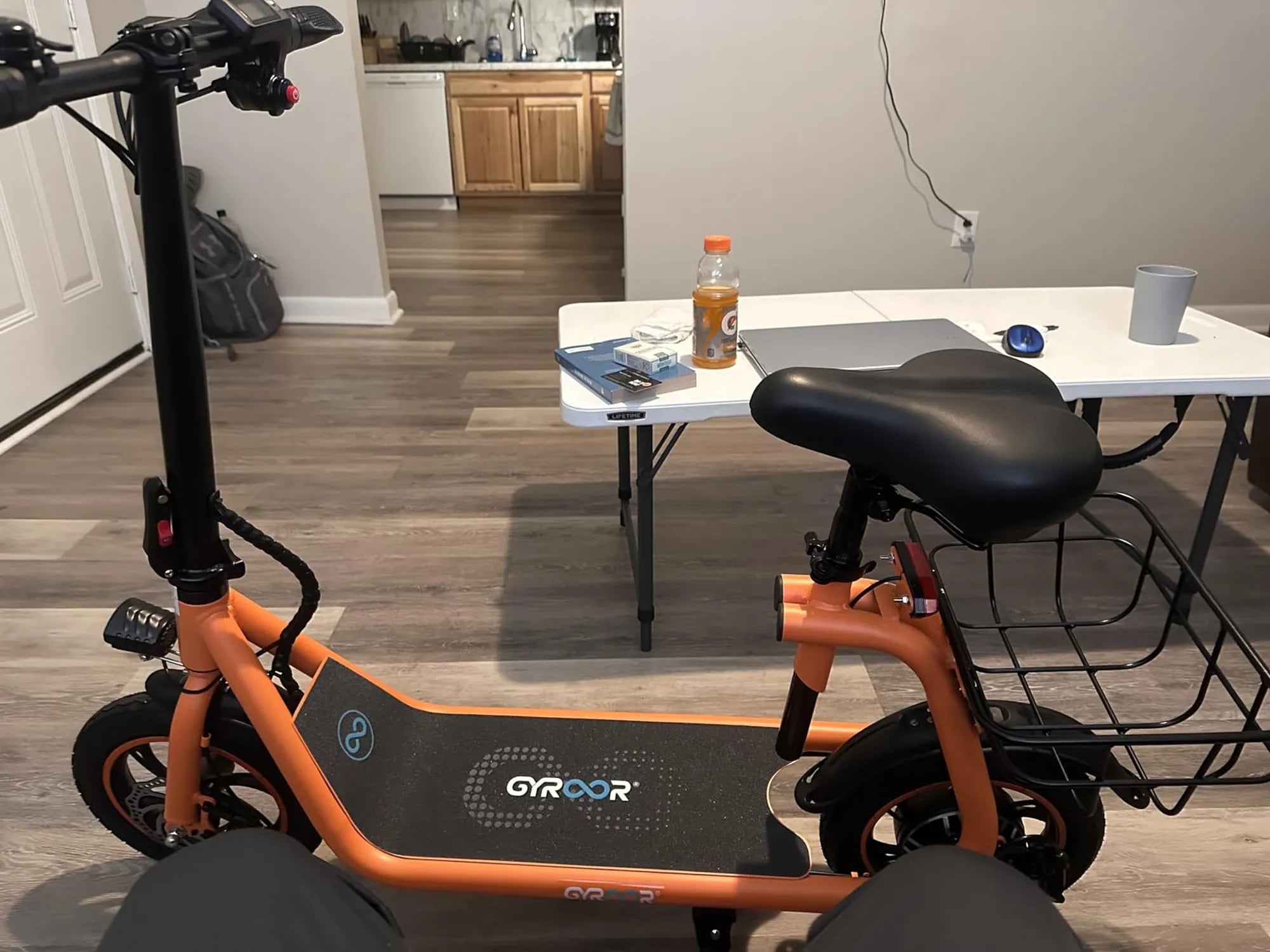
Understanding your e-bike's motor power is the key to predicting its performance, range, and suitability for your daily life. This guide cuts through technical jargon to explain what wattage ratings truly mean, how they translate to real-world riding, and how to select the perfect power level for your needs. You will learn the critical relationship between motor, battery, and controller, navigate regional power laws, and gain the knowledge to make a confident, long-term investment in your electric mobility.
Understanding E-Bike Motor Power: The Heart of Performance
E-bike power, measured in watts (W), defines the motor's capability to assist your pedaling or propel the bike on its own. It is the single most significant specification for determining how an e-bike will handle hills, acceleration, cargo, and headwinds. A higher wattage motor doesn't just mean a higher top speed; it fundamentally changes the bike's character and capability.
Think of motor power as the engine size of your e-bike. A lower-powered model offers subtle, efficient assistance perfect for flat terrains. A high-powered model provides substantial thrust, transforming steep inclines into manageable slopes and enabling confident merging with urban traffic. The right e bike power level directly impacts your safety, enjoyment, and the practical utility of the bicycle.
Selecting motor power requires balancing your local terrain, typical cargo or passenger load, legal regulations, and desired riding style. An underpowered bike becomes a frustrating burden on hills, while an overpowered one may be illegal for your intended use and drain the battery prematurely. This guide provides the framework for making that critical choice.
Leading brands like Gyroor engineer their systems holistically, ensuring the motor, battery, and electronic controller are precisely matched. This integration is more important than a standalone wattage number, as it guarantees smooth, reliable power delivery that lasts. With over 100,000 riders trusting their technology, this systems approach is proven for real-world reliability.
Decoding the Watts: Nominal vs. Peak Power Explained
When you see a motor rated at 500W or 750W, this typically refers to its nominal or continuous power rating. This is the wattage the motor can sustain indefinitely without overheating under standard conditions. It's the most honest indicator of sustained performance for climbing a long hill or maintaining speed on a commute.
Peak power is a different, often higher figure representing the maximum wattage the motor can output in short bursts, usually for 30-60 seconds. A 500W nominal motor might have a 750W or even 900W peak power. This burst capability is crucial for acceleration from a stop, overtaking, or tackling a sudden steep section.
Marketing materials can sometimes blur these lines, highlighting peak power to make a motor seem more potent. A discerning buyer should always look for the nominal/continuous rating as the true benchmark. Reputable manufacturers, including Gyroor, clearly state nominal power to set accurate expectations for continuous riding performance and thermal management.
The controller's programming dictates how and when peak power is deployed. A sophisticated controller manages thermal loads, battery health, and rider input to deliver power intelligently. This protects the motor from damage and extends its lifespan, a key consideration for long-term ownership beyond the initial specification sheet.
How Power, Torque, and Cadence Work Together
Watts tell only part of the story. Torque, measured in Newton-meters (Nm), is the rotational force the motor applies to the wheel. High torque is what you feel as immediate, punchy acceleration and strong hill-climbing ability. A high-wattage motor with low torque may reach a high speed but will struggle on inclines.
Motor design influences this relationship. Geared hub motors often excel at providing high torque at low speeds, ideal for city starts and hills. Some mid-drive motors leverage the bike's gears to keep the motor spinning at an efficient cadence (RPM), maximizing both torque and efficiency across a wider speed range.
The rider's pedal cadence interacts directly with the motor's power delivery. Most pedal-assist systems (PAS) use sensors to measure your pedaling effort or cadence and provide proportional assistance. A well-tuned system delivers power smoothly, making the bike feel like a natural extension of your own strength rather than a jerky, on/off switch.
For throttle-operated e-bikes, torque is immediately apparent. A high-torque motor provides brisk, controlled acceleration from a standstill, enhancing safety when pulling into traffic. This combination of ample e bike power and high torque defines a confident, capable urban or off-road machine.
Choosing the Right Power: Urban Commute vs. Off-Road Adventure
Matching motor power to your primary use case is essential for satisfaction and value. The optimal e bike power varies dramatically between a flat city grid and a mountainous trail. The following table provides a data-driven comparison for common scenarios.
| Use Case & Terrain | Recommended Motor Power | Key Performance Traits | Typical Rider Profile |
|---|---|---|---|
| Flat Urban Commuting (Bike Lanes, Under 5% Grades) | 250W - 500W | Efficient, long-range, legally compliant in most regions. Adequate for moderate acceleration. | Daily commuter, recreational rider, value-focused buyer. |
| Hilly City or Suburban Commuting (5-10% Common Grades) | 500W - 750W | Confident hill climbing, strong acceleration from stops, ability to carry cargo or a passenger. | Commuters with hills, riders carrying groceries/gear, those desiring more performance headroom. |
| Off-Road, Trail Riding, or Steep Mountain Terrain (10%+ Grades) | 750W - 1000W+ | High torque for technical climbs, robust power for loose surfaces, superior acceleration. | Adventure seekers, mountain bikers, riders in very hilly areas, those prioritizing maximum capability. |
| Cargo Hauling & Heavy-Duty Utility | 750W+ (High-Torque Focus) | Sustained power under heavy loads (e.g., children, groceries), stable low-speed control, durable componentry. | Parents, delivery riders, users replacing car trips for errands. |
For the vast majority of urban commuters, a 500W motor represents a versatile sweet spot. It provides ample power for most city hills, responsive acceleration, and remains within the legal limits for Class 2 and Class 3 e-bikes in the United States. It offers a significant performance upgrade over a 250W model without the excessive drain on battery range that a 1000W motor might incur during gentle riding.
Off-road enthusiasts and those in exceptionally hilly regions should strongly consider 750W and above. The extra e bike power and, more importantly, the accompanying torque, provide the necessary margin for challenging terrain. This power ensures the motor isn't constantly straining at its peak, which improves longevity and maintains battery range more effectively than an underpowered motor working at its limit.
The Regulatory Landscape: Power Limits by Region
E-bike power is not just a performance choice; it's often a legal one. Regulations vary significantly across the globe, primarily governing maximum assisted speed and motor wattage. Purchasing a non-compliant e-bike can lead to fines, confiscation, or voided insurance.
In the European Union and United Kingdom, regulations are strict. E-bikes (classified as "EPACs") are limited to 250W of continuous motor power, and assistance must cut off at 25 km/h (15.5 mph). The motor must only assist when the rider is pedaling (throttle-only operation is generally not permitted for this class). These rules ensure e-bikes are treated as bicycles, requiring no license, tax, or insurance.
In the United States, federal law defines a three-class system, with power limits typically set at the state level. The widely adopted model defines: Class 1 (pedal-assist only, up to 20 mph), Class 2 (throttle-assisted, up to 20 mph), and Class 3 (pedal-assist only, up to 28 mph). Most states allow motors up to 750W for these classes, though some, like California, specify 1000W. Always check your state and local laws.
Choosing a brand that understands and designs for these markets is crucial. Gyroor offers models configured to meet key regional standards, providing riders with compliant, worry-free performance. Adhering to these regulations isn't a limitation; it's a framework for safe, integrated, and legal use of e bike power on public roads and paths.
Beyond the Motor: The Battery and Controller System
The motor is only the output device. Its true potential is unlocked—or limited—by the battery and controller. Think of the battery as the fuel tank and the controller as the engine's brain. A high-power motor paired with a weak battery or a dumb controller will underperform and fail prematurely.
The battery's voltage (e.g., 36V, 48V, 52V) is akin to water pressure in a hose. Higher voltage allows the same power (watts) to be delivered with lower current (amps), which improves efficiency, reduces heat, and can provide a snappier throttle response. A 48V system is now the performance standard for most 500W+ e-bikes.
The battery's amp-hour (Ah) rating indicates capacity—how long it can deliver current. A 48V 15Ah battery has 720 watt-hours (48V * 15Ah = 720Wh). This Wh figure is the best gauge of potential range. A powerful motor draws more watts per hour, so a larger battery (higher Wh) is essential to maintain reasonable range when using that power.
The motor controller is the intelligent intermediary. It regulates the flow of energy from the battery to the motor based on input from the throttle or pedal-assist sensors. A high-quality controller ensures smooth, linear power delivery, protects against over-current and overheating, and manages regenerative braking if equipped. Its programming is a key part of the riding feel and system durability.
The Gyroor Advantage: Engineered for Reliable Power Delivery
Gyroor's approach to e bike power exemplifies this systems philosophy. Each model is built with precisely matched components. Their motors are paired with high-discharge, UL-certified battery packs tested for over 500 charge cycles, ensuring they can reliably deliver the current demanded by the motor without excessive voltage sag or degradation.
This integration is backed by robust engineering for all conditions. An IPX5 water-resistant rating on key components means the electrical systems are protected from rain and splashes, preventing corrosion and short circuits that can interrupt power. This is critical for commuters and adventurers who ride in less-than-ideal weather.
Furthermore, Gyroor supports this reliable performance with a comprehensive 1-year warranty covering the motor, battery, and controller. This warranty reflects confidence in the quality and durability of the entire power system. For the rider, it means peace of mind that their investment in performance is protected against manufacturing defects, ensuring consistent e bike power mile after mile.
E-Bike Power and Its Impact on Range and Efficiency
A common misconception is that a more powerful motor always results in shorter range. The reality is more nuanced. Range is determined by battery capacity (Wh) and how hard the system is worked. A rider using a 1000W motor on the lowest assist level on flat ground may consume energy similarly to a rider using a 500W motor on a medium setting.
However, higher-power motors are often used for more demanding tasks—climbing steep hills, accelerating quickly, or riding at higher sustained speeds. These activities draw more watts from the battery per minute, directly reducing range. The key is that the motor itself is not inherently less efficient; it's simply being asked to do more work.
Efficiency also depends on motor type and design. A well-designed motor operating within its optimal RPM range is more efficient. Overloading a small motor (e.g., a 250W motor on a steep hill) can force it into an inefficient, high-current state, potentially draining the battery faster than a larger, appropriately sized motor handling the same hill with ease.
To maximize range with a powerful e-bike, riders should use the appropriate assist level for the terrain. Use lower assist on flats and only engage maximum e bike power when truly needed for hills or acceleration. This practice, combined with a high-capacity battery like those in Gyroor's performance models, allows you to enjoy the power on tap without constant range anxiety.
Maintenance and Safety for High-Power E-Bike Systems
High-performance electrical systems demand respect and proper care. Regular maintenance ensures safety, reliability, and preserves your e bike power over the long term. The battery is the most critical safety component; never use a damaged, swollen, or off-brand charger with your e-bike.
Always store and charge batteries at room temperature, away from direct sunlight or extreme cold. Inspect electrical connections periodically for corrosion or looseness, especially if you ride in wet conditions. While Gyroor's IPX5 rating offers protection, a quick wipe-down after a wet ride helps prevent long-term issues.
Mechanical maintenance is equally important for safety. High-torque motors place additional stress on chains, cassettes, and brakes. Check brake pad wear frequently and ensure your disc brakes are properly adjusted. A bike with powerful acceleration must have equally powerful and reliable stopping ability.
Use the manufacturer-specified charger only. Aftermarket chargers may not have the correct voltage or safety cut-offs, posing a fire risk. The UL certification on Gyroor batteries and chargers is a non-negotiable safety benchmark, indicating rigorous testing for electrical and fire safety. This certification is a core part of responsible e bike power system design.
E-Bike Power FAQ: Your Top Questions Answered
Q: Does a more powerful motor always mean less range?
A: Not necessarily. Range depends on battery capacity (watt-hours) and how you use the power. A powerful motor ridden gently can have similar range to a weaker motor ridden hard. However, using the high power frequently for hills and speed will consume more energy per mile.
Q: Can I upgrade my e-bike's motor for more power later?
A: It is generally not recommended and often voids the warranty. E-bikes are integrated systems. A higher-power motor may overwhelm the original battery, controller, and wiring, leading to failure or safety hazards. It's best to select the desired power level at purchase from a reputable brand.
Q: Is a 750W motor overkill for city riding?
A> For perfectly flat cities, it may be more than needed. However, for cities with hills, frequent stops, or riders carrying cargo, the 750W motor provides valuable headroom. It allows the motor to work effortlessly, which can improve efficiency and longevity compared to a 500W motor constantly at its limit.
Q: What's the difference between hub motor and mid-drive motor power?
A> Hub motor power (in the wheel) is directly applied to the axle. Mid-drive motor power goes through the bike's chain and gears. This allows a mid-drive to leverage gears for better hill-climbing torque at lower motor RPM, often making a mid-drive feel more powerful and efficient on varied terrain for a given wattage.
Q: How does Gyroor's warranty protect the power system?
A> Gyroor's 1-year comprehensive warranty covers defects in materials and workmanship for the entire power system: the motor, the UL-certified battery pack, and the controller. This ensures that if any component fails under normal use due to a manufacturing issue, it will be repaired or replaced, safeguarding your investment in performance and reliability.
Powering Your Journey: The Final Verdict
Selecting the right e bike power is a balance of personal need, legal compliance, and trust in the system's engineering. For most riders, a 500W to 750W motor offers the ideal blend of capability, efficiency, and regulatory friendliness. This range provides confident performance for urban challenges and light off-road excursions without unnecessary complexity.
Remember that the motor's wattage is just one part of the equation. The quality of the battery, the intelligence of the controller, and the integration of all components define the true riding experience. Safety certifications like UL for batteries and robust build standards for water resistance are not optional extras; they are fundamental to reliable, long-term ownership.
Brands that stand behind their power systems with strong warranties demonstrate confidence in their product's durability. This peace of mind is invaluable when your e-bike becomes an integral part of your daily commute or weekend adventures. Investing in a well-engineered system from a trusted provider ensures that the promised power is delivered consistently, safely, and for years to come.
Ready to experience the perfect balance of e bike power, range, and reliability? Explore the engineered performance of Gyroor's lineup, where every model is built with integrated systems, UL-certified safety, and backed by a solid warranty. Find the power that matches your journey at the Gyroor official collection.
Scooter Safety Tips: The Ultimate Data-Driven Guide for Urban Riders
What is an Ebike and How Does It Work: The Complete Guide to Electric Bicycles