

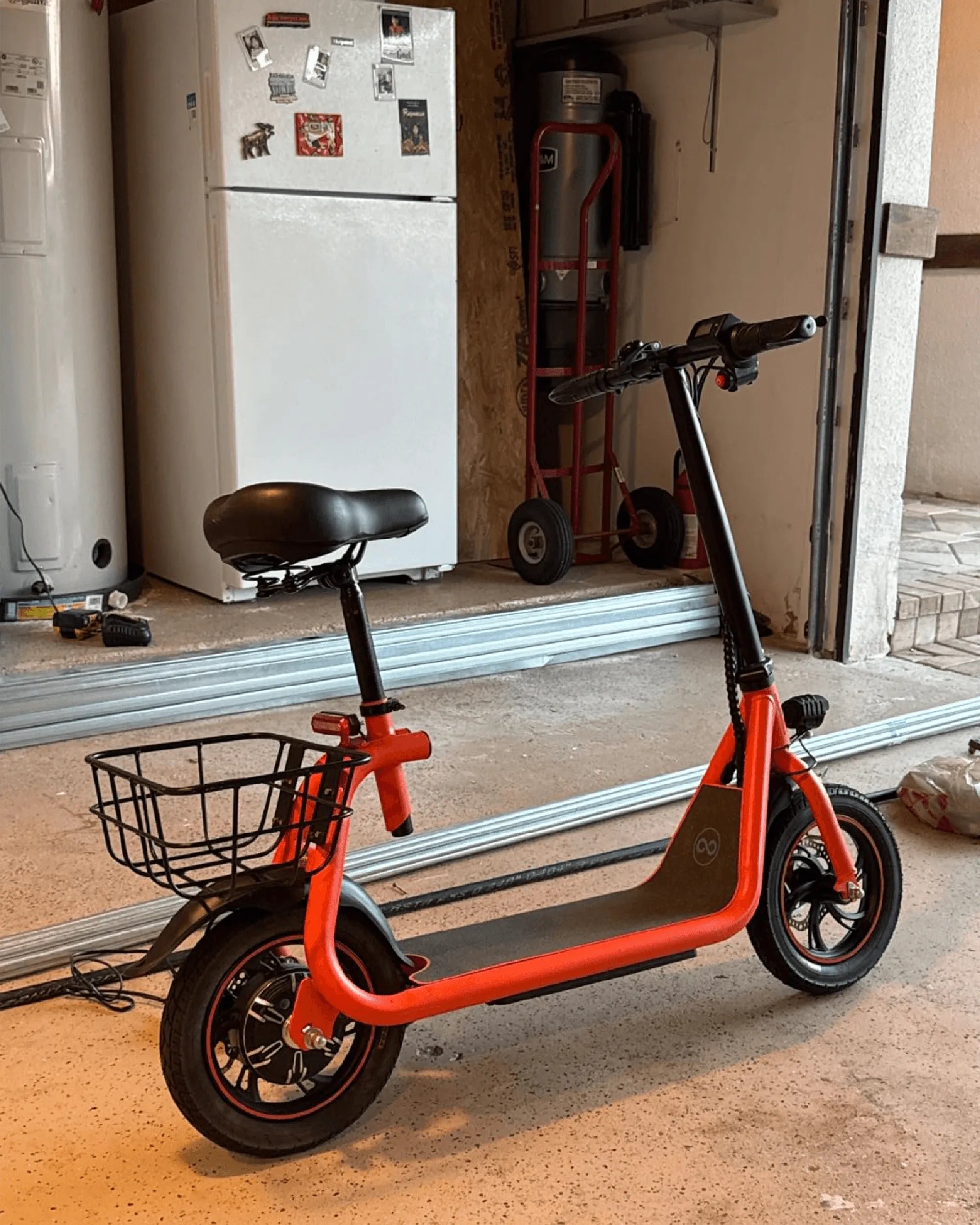
Electric scooters, or e-scooters, have taken cities by storm, offering a quick and affordable way to navigate urban landscapes. But as their numbers grow, so do questions about their true environmental impact. Are they the green alternative we’ve been waiting for, or do they come with hidden ecological costs?
The Rise of E-Scooters in Urban Mobility
E-scooters have become a common sight in cities worldwide, praised for reducing traffic congestion and providing a low-emission alternative to cars. Unlike traditional vehicles, e-scooters produce no tailpipe emissions, making them an attractive option for eco-conscious commuters. Their compact size also means they take up less space, easing urban crowding.
Energy Efficiency and Carbon Footprint
One of the biggest selling points of e-scooters is their energy efficiency. Compared to cars, they require significantly less power to operate, which translates to lower carbon emissions per mile traveled. However, the environmental benefits depend heavily on how the electricity used to charge them is generated. In regions where renewable energy sources dominate, e-scooters can be nearly carbon-neutral. In areas reliant on fossil fuels, their green credentials diminish.
Manufacturing and Resource Use
While e-scooters excel in operational efficiency, their manufacturing process raises concerns. The production of lithium-ion batteries, a key component, involves mining rare earth metals, which can have severe environmental and social consequences. Additionally, the short lifespan of many shared e-scooters—often just a few months—means frequent replacements, increasing resource consumption and waste.
Waste and Recycling Challenges
The disposal of e-scooters presents another environmental hurdle. Many models are not designed for easy recycling, leading to large amounts of electronic waste. Improper disposal can result in toxic materials leaching into soil and water. Some companies are working on more sustainable designs, but widespread adoption of these practices is still lacking.
Behavioral Impact: Are E-Scooters Replacing Cars or Walking?
An often-overlooked aspect of e-scooter environmental impact is user behavior. Studies suggest that while some riders use e-scooters instead of cars, others opt for them over walking or public transport—modes with even lower environmental footprints. This shift could offset some of the potential benefits if it leads to increased energy use overall.
Infrastructure and Urban Planning
The integration of e-scooters into city infrastructure also plays a role in their environmental impact. Poorly designed systems can lead to clutter, with abandoned scooters blocking sidewalks and creating hazards. Cities that invest in dedicated lanes and parking zones can maximize the benefits while minimizing negative side effects.
The Future of E-Scooters and Sustainability
For e-scooters to truly be a green solution, improvements are needed across their lifecycle—from sustainable manufacturing and longer-lasting designs to better recycling programs. Policymakers, manufacturers, and users all have roles to play in ensuring e-scooters live up to their environmental potential.
As cities continue to grapple with pollution and congestion, e-scooters offer a tantalizing glimpse of a cleaner future—but only if we address their hidden costs. The next time you hop on one, consider not just the convenience, but the bigger picture of its environmental footprint.
Electric Scooter to Commute to Work: The Future of Urban Transportation
Electric Scooter to Commute to Work: The Future of Urban Transportation