



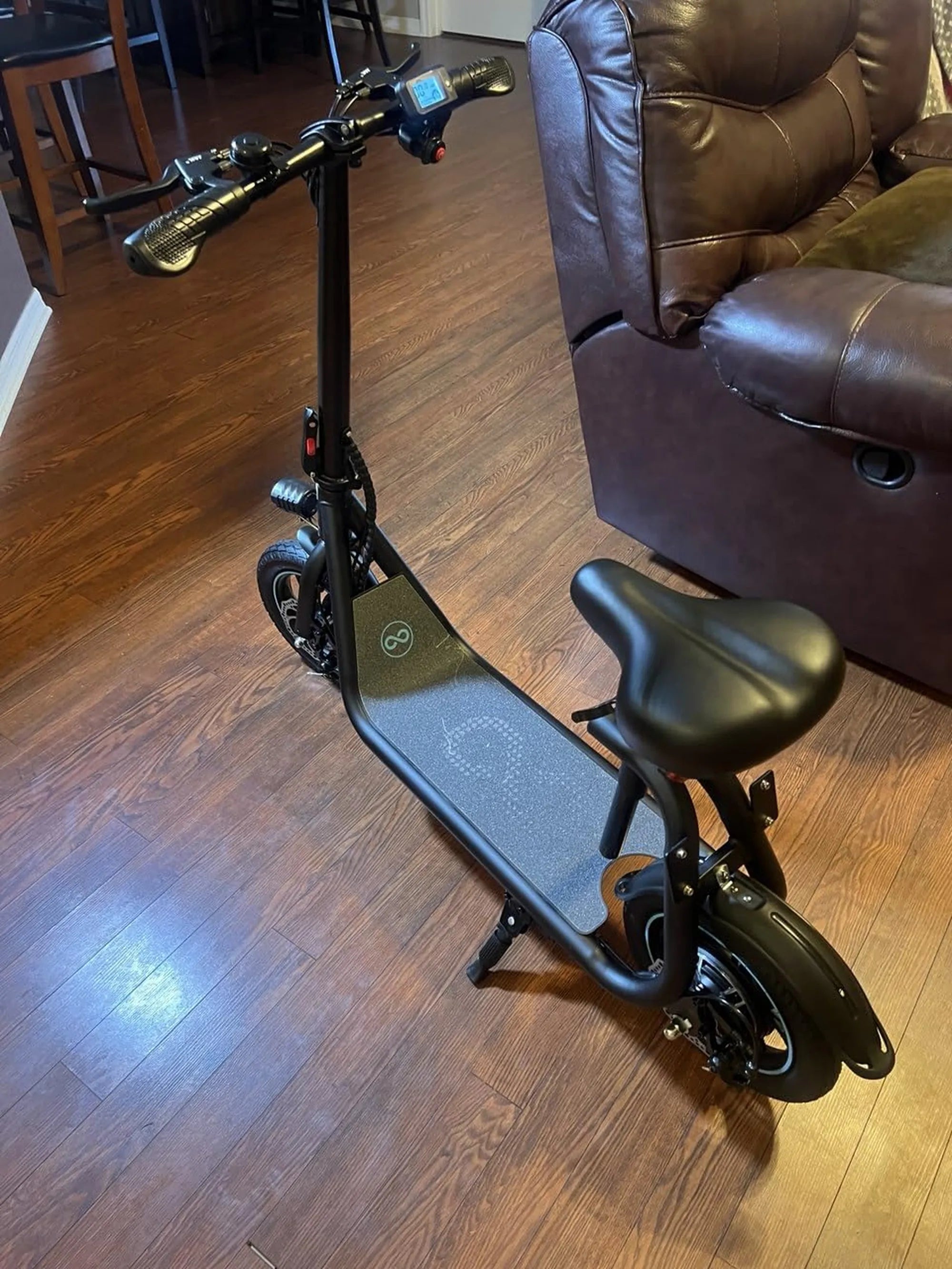
The e-scooter market is revolutionizing urban mobility, offering a convenient, eco-friendly, and cost-effective alternative to traditional transportation. As cities become more congested and environmental concerns grow, e-scooters are emerging as a popular choice for short-distance travel. But what’s driving this surge in popularity, and what challenges does the industry face? Let’s dive into the dynamics shaping the e-scooter market.
The Rise of E-Scooters: A Global Phenomenon
Urbanization and the need for sustainable transportation solutions have propelled the e-scooter market to new heights. Cities worldwide are embracing micromobility as a way to reduce traffic congestion and lower carbon emissions. Shared e-scooter programs, in particular, have gained traction, with millions of riders opting for this flexible mode of transport.
Technological advancements are also playing a pivotal role. Modern e-scooters come equipped with features like GPS tracking, swappable batteries, and robust safety mechanisms, making them more appealing to consumers. Additionally, the integration of smartphone apps for rentals and payments has streamlined the user experience, further boosting adoption rates.
Key Trends Shaping the E-Scooter Market
Several trends are defining the e-scooter market’s trajectory:
- Sustainability: With growing awareness of climate change, consumers are gravitating toward greener alternatives. E-scooters, which produce zero emissions, align perfectly with this shift.
- Regulatory Frameworks: Governments are introducing regulations to ensure safety and orderly use of e-scooters. These rules are shaping how companies operate and where e-scooters can be deployed.
- Last-Mile Connectivity: E-scooters are bridging the gap between public transit and final destinations, making them a vital component of urban mobility networks.
- Subscription Models: Some providers are offering subscription-based services, allowing users unlimited access to e-scooters for a fixed monthly fee.
Challenges Facing the E-Scooter Industry
Despite its rapid growth, the e-scooter market faces several hurdles:
- Safety Concerns: Accidents involving e-scooters have raised questions about rider safety and the need for better infrastructure, such as dedicated lanes.
- Vandalism and Theft: Shared e-scooters are often targets of vandalism, leading to significant operational costs for providers.
- Battery Disposal: The environmental impact of discarded e-scooter batteries is a growing concern, prompting calls for better recycling solutions.
- Market Saturation: In some cities, the oversupply of e-scooters has led to clutter on sidewalks, sparking backlash from pedestrians and local authorities.
The Future of the E-Scooter Market
The e-scooter market is poised for continued expansion, with innovations like AI-powered fleet management and longer-lasting batteries on the horizon. As cities invest in smarter infrastructure and stricter regulations, the industry is likely to mature, addressing current challenges while unlocking new opportunities.
Whether you’re a commuter, an investor, or simply curious about the future of urban mobility, the e-scooter market is a space worth watching. Its potential to transform how we move around cities is undeniable—and the journey has only just begun.
Buy Electric Scooters Australia: The Ultimate Guide to Choosing the Best Ride
E Scooter Motorcycle: The Future of Urban Mobility and Sustainable Transportation