

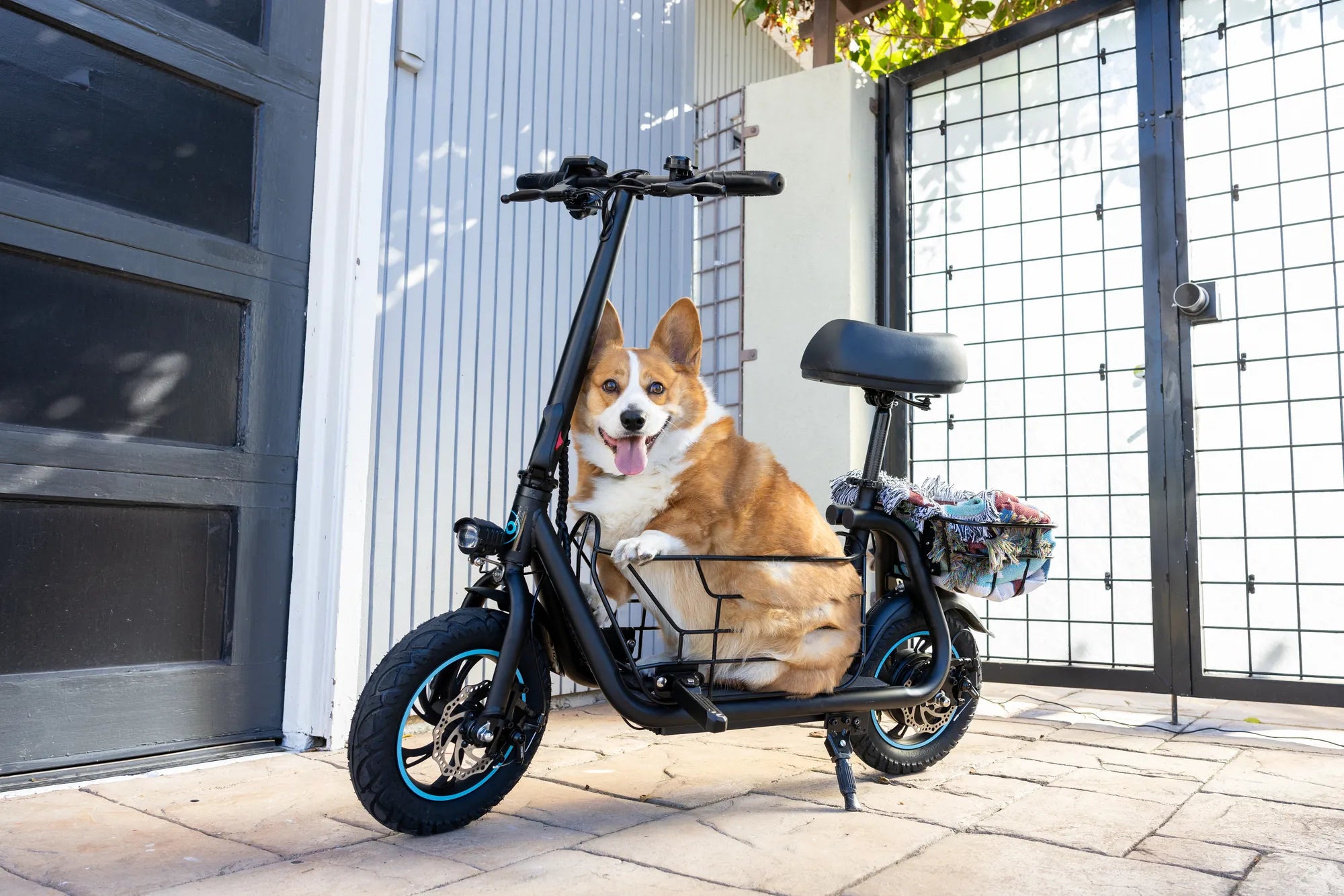
There's nothing more frustrating than hopping on your e scooter, ready to zip through traffic, only to find it's not working. Whether it's a dead battery, a faulty motor, or a mysterious electrical glitch, a non-functional e scooter can ruin your day. But don't worry—this guide will walk you through the most common issues and how to fix them so you can get back on the road in no time.
Common Reasons Why Your E Scooter Is Not Working
Before diving into repairs, it's essential to identify the root cause of the problem. Here are the most frequent culprits behind a malfunctioning e scooter:
- Dead or Faulty Battery: The battery is the heart of your e scooter. If it's not holding a charge or isn't properly connected, your scooter won't start.
- Loose or Damaged Wiring: Wires can become loose over time due to vibrations or wear and tear, leading to power disruptions.
- Motor Issues: A burnt-out motor or one that's not receiving power will leave your scooter immobile.
- Faulty Throttle or Controller: If the throttle isn't sending signals correctly or the controller is malfunctioning, the scooter won't respond.
- Brake Sensor Problems: Many e scooters have safety features that prevent the motor from engaging if the brakes are applied or the sensor is faulty.
How to Troubleshoot an E Scooter That's Not Working
Now that you know the potential issues, let's explore how to diagnose and fix them.
1. Check the Battery
Start by ensuring the battery is charged. Plug it in and wait for the indicator light to confirm it's receiving power. If the battery doesn't charge, try a different charger or inspect the charging port for damage. If the battery is old or damaged, it may need replacement.
2. Inspect the Wiring
Open the deck or battery compartment and look for loose, frayed, or disconnected wires. Reconnect any loose connections and replace damaged wires. Be cautious when handling electrical components to avoid shocks.
3. Test the Motor
If the battery and wiring seem fine, the motor might be the issue. Listen for unusual noises when attempting to start the scooter. A humming sound without movement could indicate a motor problem. If the motor is burnt out, it will need professional repair or replacement.
4. Examine the Throttle and Controller
A faulty throttle or controller can prevent the scooter from accelerating. Check for physical damage or loose connections. If the throttle feels unresponsive, it may need recalibration or replacement.
5. Look at the Brake Sensors
Some e scooters won't start if the brake sensors are engaged. Ensure the brakes are fully released and inspect the sensors for dirt or damage. Clean or adjust them if necessary.
Preventive Maintenance to Avoid Future Issues
Regular maintenance can keep your e scooter running smoothly and prevent breakdowns. Here are some tips:
- Charge the Battery Properly: Avoid overcharging or letting the battery drain completely.
- Keep It Clean: Dirt and debris can damage components over time. Wipe down your scooter regularly.
- Tighten Loose Parts: Vibrations can loosen screws and bolts. Periodically check and tighten them.
- Store It Correctly: Keep your scooter in a dry, cool place to prevent moisture damage.
When to Seek Professional Help
While many e scooter issues can be fixed at home, some problems require expert attention. If you've tried troubleshooting without success, or if the issue involves complex electrical or mechanical components, it's best to consult a professional technician.
Don't let a non-working e scooter leave you stranded. With these troubleshooting steps, you can identify and fix most common problems yourself. Stay proactive with maintenance, and your scooter will keep you moving effortlessly for miles to come.
Big Scooter: The Ultimate Guide to Power, Comfort, and Style
Why Won't My E Scooter Charge? Troubleshooting Common Issues