



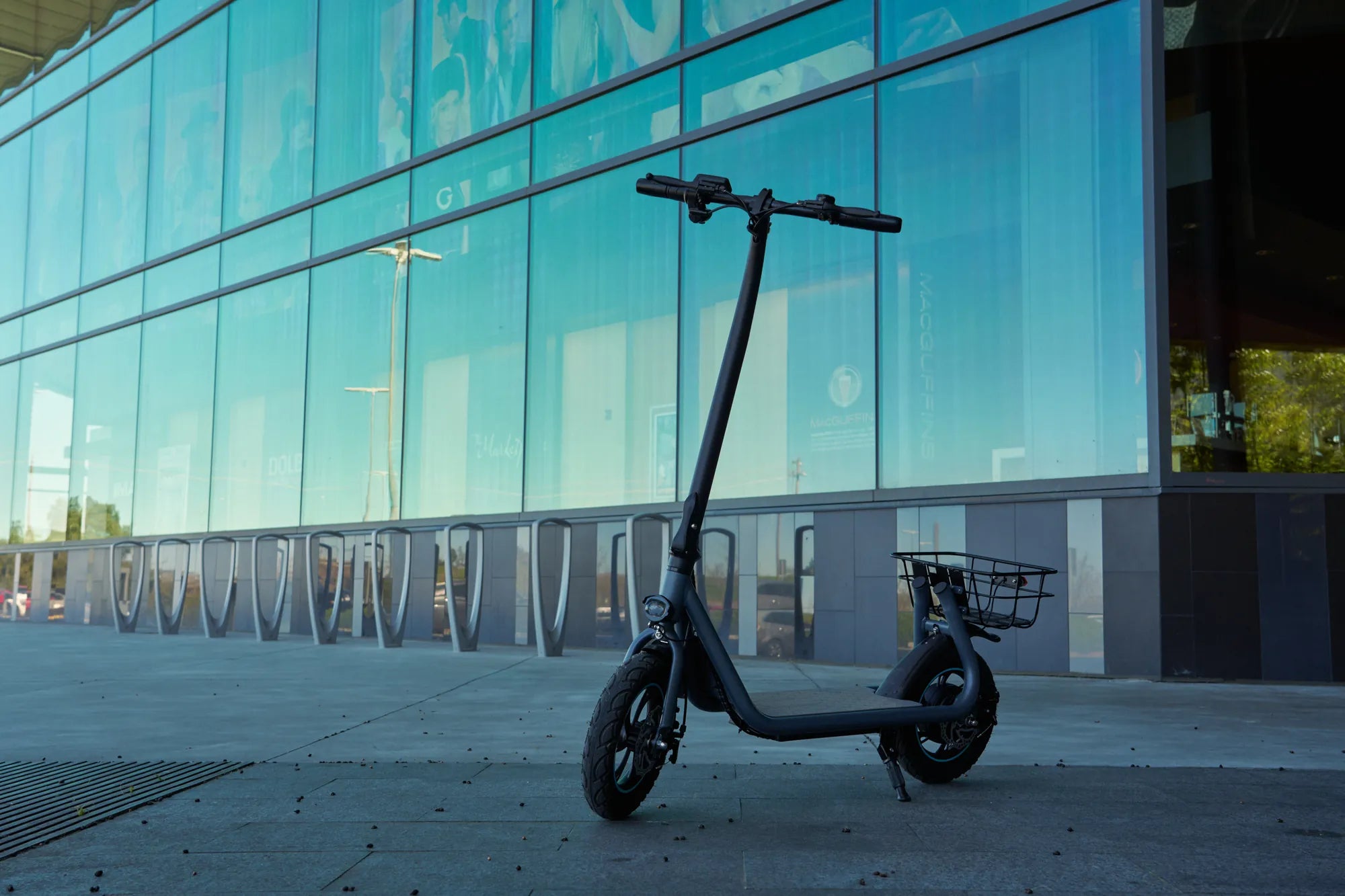
Electric scooters have taken urban transportation by storm, offering a convenient and eco-friendly way to navigate crowded streets. But before you hop on one, it's crucial to understand the e scooter requirements that ensure your ride is both safe and legal. From age restrictions to helmet laws, these rules vary by location but share a common goal: keeping riders and pedestrians safe. Let's dive into the essentials you need to know.
Age Restrictions for E Scooter Riders
One of the most common e scooter requirements is age limits. Many cities and countries mandate that riders must be at least 16 or 18 years old to operate an electric scooter. These rules are in place because younger riders may lack the experience or judgment needed to handle traffic and obstacles safely. Always check your local laws to avoid fines or confiscation of your scooter.
Helmet Laws and Safety Gear
Safety gear is another critical aspect of e scooter requirements. While some regions only recommend helmets, others enforce strict helmet laws for all riders. Wearing a helmet can significantly reduce the risk of head injuries in case of an accident. Additionally, consider elbow and knee pads, especially if you're new to riding or plan to travel at higher speeds.
Speed Limits and Where You Can Ride
Speed limits for e scooters typically range between 15 to 20 mph (24 to 32 km/h), depending on local regulations. Riding too fast not only increases the risk of accidents but may also result in penalties. Another key requirement is knowing where you can ride. Some cities allow e scooters on bike lanes and roads, while others restrict them to sidewalks or prohibit them altogether in certain areas.
Licensing and Registration
In some jurisdictions, e scooter requirements include licensing or registration. This is more common for higher-powered models that exceed specific speed or wattage thresholds. Even if your area doesn't require a license, it's wise to familiarize yourself with traffic laws to ride responsibly and avoid conflicts with other road users.
Weight and Load Limits
Every e scooter has a maximum weight capacity, usually between 220 to 300 pounds (100 to 136 kg). Exceeding this limit can strain the motor, reduce battery life, and compromise safety. Similarly, avoid carrying heavy bags or passengers unless the scooter is explicitly designed for it. Overloading can lead to instability and accidents.
Battery and Charging Guidelines
Proper battery care is often overlooked but is a vital part of e scooter requirements. Always use the manufacturer-recommended charger and avoid leaving the battery plugged in overnight. Store your scooter in a cool, dry place to prolong battery life and reduce fire risks. Regularly inspect the battery for damage or swelling, as these are signs it needs replacement.
Insurance and Liability
While not always mandatory, insurance is a smart consideration for e scooter riders. Accidents can happen, and being insured can protect you from costly medical or repair bills. Some homeowner or renter insurance policies may cover e scooters, but it's best to verify this with your provider. Liability coverage is especially important if you frequently ride in busy areas.
Local Regulations and Penalties
E scooter requirements can vary dramatically between cities and even neighborhoods. Some places require bells or lights for nighttime riding, while others impose curfews. Penalties for non-compliance range from warnings to hefty fines, so always research the rules in your area before heading out. Ignorance of the law is rarely accepted as an excuse.
Riding an e scooter is a blast, but it comes with responsibilities. By adhering to e scooter requirements, you not only stay on the right side of the law but also ensure a safer experience for yourself and others. Whether you're a daily commuter or a weekend explorer, knowing these rules will help you ride with confidence and peace of mind. So gear up, check your local laws, and enjoy the ride!
Orange Scooter: The Future of Urban Mobility and Fun
Most Reliable Moped: A Comprehensive Guide to Dependable Two-Wheeled Commuting