



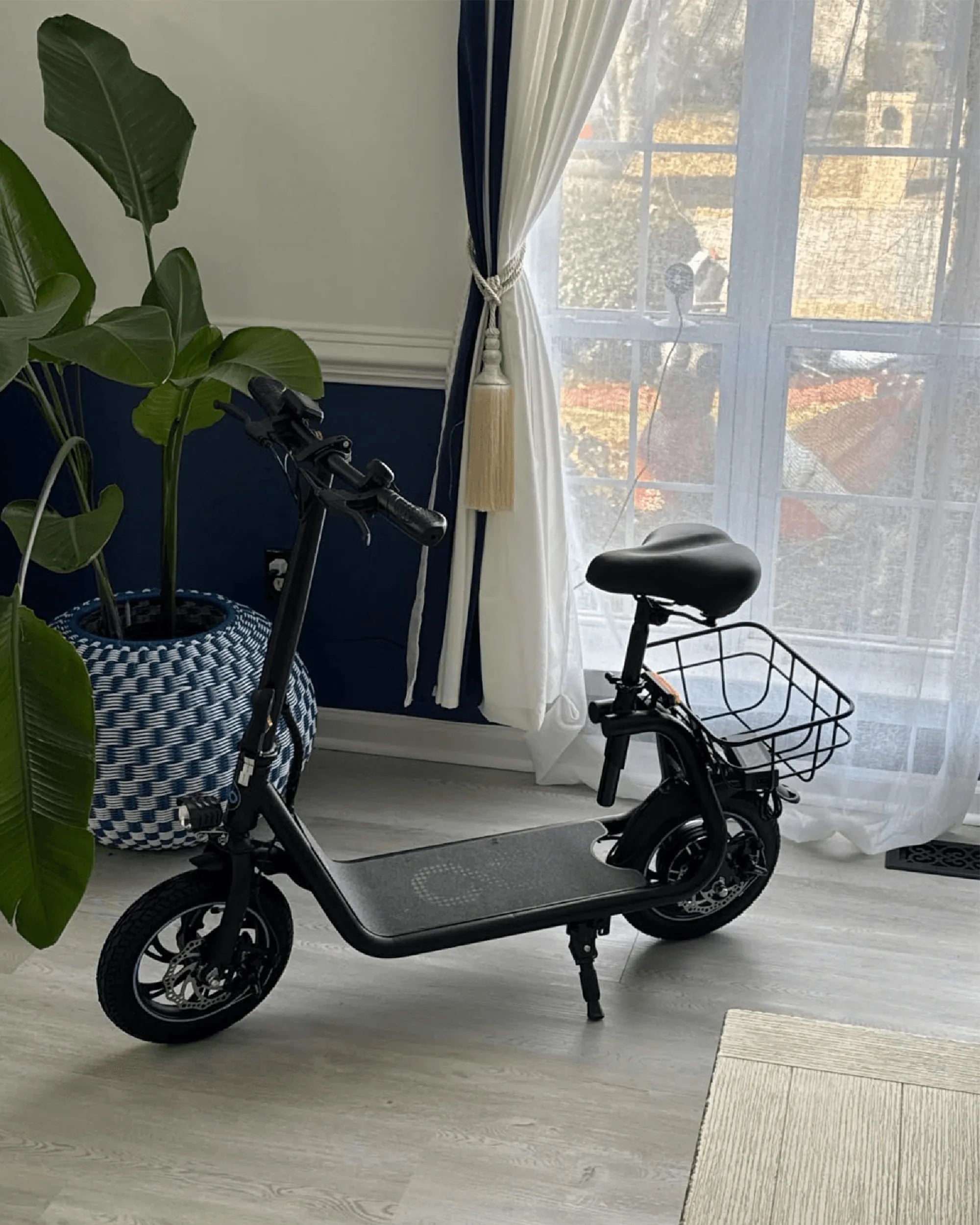
Ready to hit the streets on your new e scooter? Whether you're a first-time rider or a seasoned pro, setting up your e scooter correctly is the key to a smooth and safe ride. From unboxing to fine-tuning, this guide covers everything you need to know to get your e scooter ready for action.
Unboxing and Initial Inspection
When your e scooter arrives, the first step is to carefully unbox it and inspect all components. Ensure that the packaging is intact and that no parts are damaged during transit. Most e scooters come partially assembled, but you'll need to attach the handlebars, secure the wheels, and check the battery connection.
Assembling Your E Scooter
Follow the manufacturer's instructions to assemble your e scooter. Typically, this involves attaching the handlebars to the stem and tightening all bolts securely. Use the provided tools or a set of high-quality wrenches to ensure everything is fastened properly. Loose components can lead to accidents, so double-check each step.
Charging the Battery
Before your first ride, fully charge the battery. Plug the charger into a wall outlet and connect it to the e scooter's charging port. Most batteries take 4-6 hours to charge completely. Avoid overcharging, as this can reduce battery life. Once charged, disconnect the charger and store it in a safe place.
Adjusting the Handlebar Height
For a comfortable ride, adjust the handlebar height to suit your posture. Loosen the clamp or locking mechanism, raise or lower the handlebars, and tighten securely. Ensure the handlebars are aligned with the front wheel to maintain control while riding.
Checking the Tires
Inspect the tires for proper inflation. Underinflated tires can affect performance and increase the risk of punctures. Use a bike pump with a pressure gauge to inflate the tires to the recommended PSI, usually listed on the tire sidewall. For solid tires, ensure they are free of cracks or damage.
Testing the Brakes
Brakes are critical for safety. Test both the front and rear brakes before riding. Squeeze the brake levers to ensure they engage smoothly and bring the e scooter to a complete stop. If the brakes feel loose or unresponsive, adjust them according to the manual or seek professional help.
Familiarizing Yourself with the Controls
Take a moment to understand the throttle, brake levers, and display panel. Practice accelerating and braking in a safe, open area before hitting busy streets. Knowing how to control your e scooter confidently will make your rides safer and more enjoyable.
Safety Gear and Accessories
Never ride without a helmet and consider additional safety gear like knee and elbow pads. Reflective stickers or lights can improve visibility, especially at night. Attach any accessories, such as a phone mount or storage bag, securely to avoid distractions while riding.
Final Check Before Riding
Before your first ride, perform a final inspection. Ensure all bolts are tight, the tires are properly inflated, and the brakes are functioning. Turn on the e scooter and check the display for any error messages. A quick test ride in a controlled environment will help you spot any issues.
Now that your e scooter is set up and ready to go, it's time to enjoy the ride! With proper assembly, maintenance, and safety precautions, you'll be zipping through the streets with confidence. Happy scooting!
2 Wheel Scooter: The Ultimate Guide to Choosing and Riding Your Perfect Ride
Long Range Scooters for Adults: The Ultimate Guide to Extended Commutes