



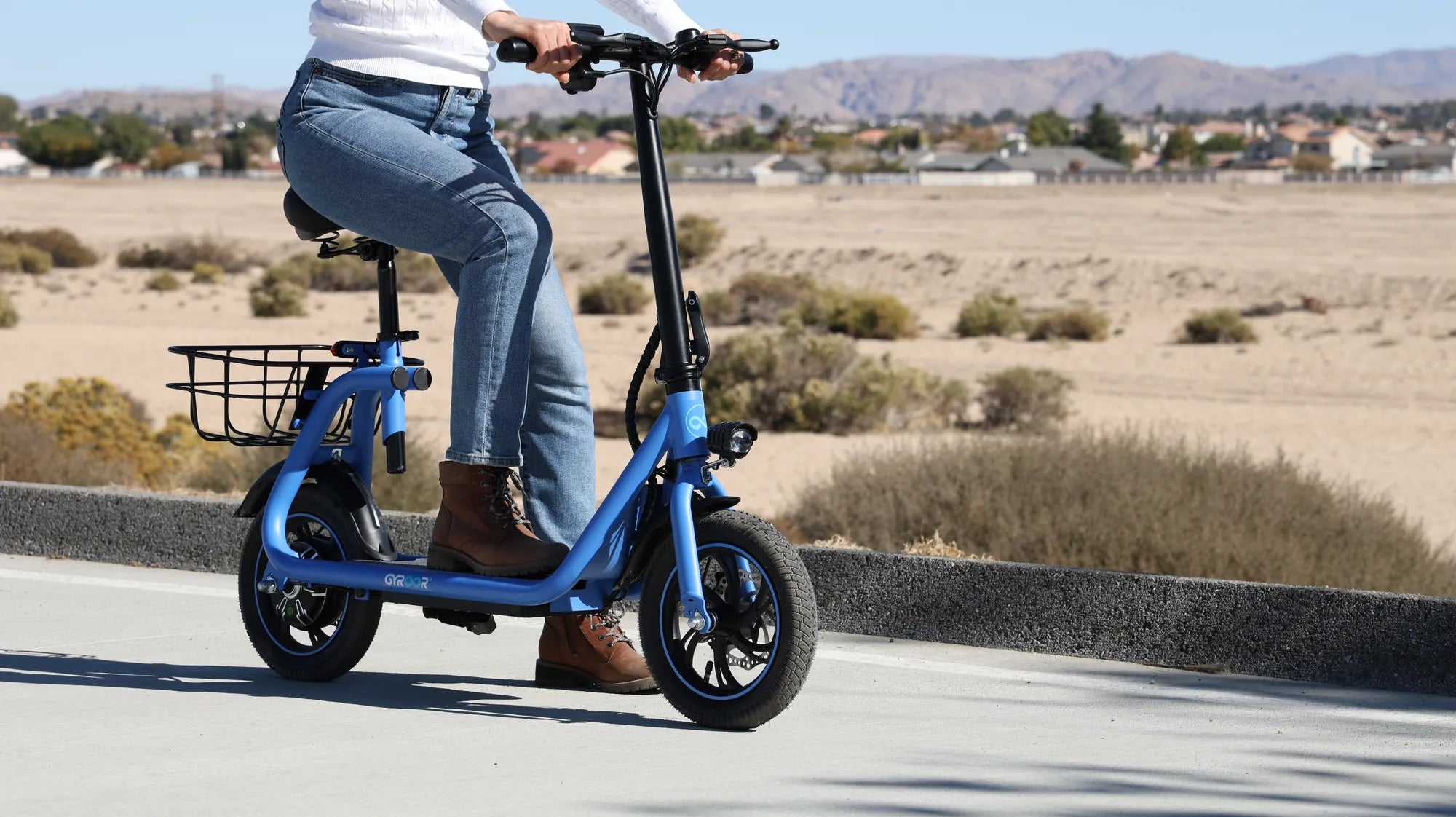
Introduction to the Australian E-Bike Market
The Australian transportation landscape is undergoing a quiet revolution, and the electric bicycle is at its heart. Sales of e-bikes in Australia have surged, consistently outpacing traditional bicycle sales as commuters, adventurers, and families seek smarter, more sustainable mobility. This growth is driven by a powerful convergence of factors: rising fuel costs, congested urban corridors, a national focus on health and outdoor activity, and a genuine desire to reduce carbon footprints.
For many Australians, the ebike australia represents more than just a novel gadget; it's a practical solution to everyday challenges. It transforms daunting hills into gentle inclines, extends the range of weekend explorations, and makes the daily commute a sweat-free, enjoyable experience. The market now offers a vast array of models, from sleek urban commuters to robust off-road machines, catering to every need and terrain.
Navigating this expanding market requires reliable information. This guide cuts through the noise to provide factual, data-driven insights. We'll examine the specific regulations governing ebike australia use, the essential features for local conditions, and the tangible benefits of making the switch. Leading brands like Gyroor, trusted by over 100,000 riders globally, are entering this dynamic market with a focus on UL-certified safety and durable, water-resistant designs built for reliability.
Understanding the specifics of power limits, legal classifications, and state-by-state rules is the first critical step for any prospective rider. With clarity on these points, you can confidently choose an e-bike that enhances your Australian lifestyle, whether you're navigating Melbourne's laneways, tackling Brisbane's hills, or exploring coastal paths.
Why E-Bikes Are Perfect for the Australian Lifestyle
The Australian way of life, with its emphasis on the outdoors, active living, and vast distances between urban and natural spaces, aligns seamlessly with the capabilities of modern electric bicycles. An ebike australia effectively flattens the country's famously challenging topography. Steep climbs in suburbs like Sydney's North Shore or the hills of Perth become manageable, encouraging more people to cycle who might have previously relied on a car.
Beyond conquering hills, e-bikes dramatically extend personal range. A trip to the local beach, a ride through national park trails, or a visit to a weekend farmers' market becomes a viable, car-free adventure. The electric assist ensures you arrive feeling refreshed, not exhausted, making it ideal for social outings or running errands in the heat of an Australian summer without arriving drenched in sweat.
For the urban commuter, the benefits are quantifiable. Major cities are investing heavily in cycling infrastructure, creating connected networks of bike paths and lanes. An e-bike allows you to bypass traffic gridlock, eliminate parking fees and stress, and integrate consistent, low-impact exercise into your daily routine. It's a direct tool for improving both mental and physical wellbeing while navigating congested city centres.
The versatility of an e-bike also supports practical Australian needs. Many models feature robust racks and cargo capacity, perfect for carrying groceries, beach gear, or even work supplies. This utility transforms the e-bike from a recreational item into a genuine primary vehicle for many daily tasks, reinforcing its role as a cornerstone of practical, sustainable living across the continent.
Navigating Australian E-Bike Laws and Regulations
Understanding the legal framework is essential for safe and compliant riding. Australia regulates e-bikes under the Australian Design Rules (ADRs), with enforcement managed by state and territory authorities. The nationally consistent core rule defines a legally compliant bicycle, or "pedalec," as having a maximum continuous rated power output of 250 watts. The electric motor must only provide assistance while the rider is pedalling and must cut out once the bicycle reaches 25 km/h.
E-bikes meeting this 250W/25km/h criteria are treated as standard bicycles in all states and territories. This means no rider's license, vehicle registration, or compulsory third-party insurance is required. You can ride them on all public roads and paths where bicycles are permitted, providing immense freedom and accessibility. This is the primary category for most commuter and recreational ebike australia models.
It is crucial to distinguish these from higher-powered electric motorcycles or scooters, which may have throttles and higher top speeds. These vehicles are classified as motor vehicles and require registration, licensing, and helmet standards akin to a motorbike. They are not permitted on dedicated bicycle paths. Always verify your e-bike's specifications to ensure it falls into the pedal-assisted bicycle category to avoid significant fines and legal issues.
While the power and speed rules are national, some key variations exist at the state level, primarily concerning helmets and where you can ride. The table below provides a clear, concise overview of these critical state-by-state rules for compliant 250W pedal-assisted e-bikes.
| State/Territory | Helmet Requirement | Key Path & Road Rules |
|---|---|---|
| New South Wales | Mandatory for all ages | Permitted on bike paths and roads. Must not ride on footpaths unless under 16 or with an adult supervising a child. |
| Victoria | Mandatory for all ages | Permitted on bike paths and roads. Can ride on footpaths unless specifically prohibited by local signs. |
| Queensland | Mandatory for all ages | Permitted on bike paths and roads. Allowed on footpaths at all times. |
| Western Australia | Mandatory for all ages | Permitted on bike paths and roads. Allowed on footpaths unless signed otherwise. |
| South Australia | Mandatory for all ages | Permitted on bike paths and roads. Not permitted on footpaths. |
| Tasmania | Mandatory for all ages | Permitted on bike paths and roads. Can ride on footpaths unless signage prohibits it. |
| ACT | Mandatory for all ages | Permitted on bike paths and roads. Allowed on footpaths. |
| Northern Territory | Mandatory for all ages | Permitted on bike paths and roads. Allowed on footpaths. |
Key Features to Look for in an Australian E-Bike
Selecting the right e-bike for Australian conditions requires careful consideration of specifications that directly impact safety, durability, and performance. The most critical component is the battery system. You should prioritise models equipped with UL-certified lithium-ion battery packs. This independent certification is a non-negotiable safety benchmark, rigorously testing for overcharge protection, thermal stability, and short-circuit prevention—mitigating fire risk and ensuring long-term reliability.
Australian weather is famously unpredictable, from sudden subtropical downpours to coastal salt spray. Therefore, a high water and dust resistance rating is essential. Look for a minimum ingress protection rating of IPX5. This certifies the e-bike can withstand sustained water jets from any direction, making it safe to ride in heavy rain and through puddles. This protection is vital for the motor, controller, and electrical connections, safeguarding your investment from the elements.
Motor performance should be matched to your local terrain. While all compliant road-legal e-bikes have a 250W continuous rating, the torque output (measured in Newton-metres or Nm) varies. Higher torque (e.g., 50Nm or more) provides better hill-climbing ability and more responsive acceleration from a stop, which is invaluable in hilly cities. For commuting, a mid-drive motor that leverages the bicycle's gears can offer a more natural riding feel and efficient power use on variable inclines.
Finally, assess the overall build quality. Look for a robust frame material (aluminium alloy is standard for its strength and weight), reliable hydraulic or mechanical disc brakes for consistent stopping power in all conditions, and quality componentry from reputable manufacturers. Good after-sales support and a clear, comprehensive warranty covering the frame, motor, and battery for at least one year are indicators of a brand that stands behind its product, which is crucial for long-term peace of mind with your ebike australia.
Gyroor E-Bikes: Engineered for Australian Conditions
As a global leader in personal electric mobility, Gyroor designs its e-bikes with the core principles of safety, durability, and rider confidence—principles that translate perfectly to the Australian environment. Every Gyroor e-bike integrates a UL-certified lithium-ion battery pack as a foundational safety feature. These batteries undergo extensive testing for over 500 charge cycles, ensuring not only long-term performance but, more importantly, peace of mind regarding thermal management and electrical safety for the rider and their home.
Understanding the challenges of local weather, Gyroor builds all its models to a minimum IPX5 water-resistant rating. This engineering standard means critical electrical components are sealed against heavy rain, road spray, and dust. Whether you're caught in a Melbourne shower or riding along a sandy coastal path, the bike's core systems are protected, enhancing durability and reducing maintenance issues caused by environmental exposure. This focus on resilience is key for a reliable ebike australia experience.
Beyond the hardware, Gyroor supports its Australian riders with a straightforward 1-year comprehensive warranty that covers the frame, motor, battery, and controller. This warranty is backed by accessible customer support and a network of service partners, ensuring that any technical questions or needs can be addressed promptly. This commitment to post-purchase support is a critical differentiator, providing long-term value and security for your investment.
The brand's lineup is designed to cater to diverse Australian needs. From compact folding models ideal for mixed-mode commuters who need to take their bike on a train, to sturdy commuter bikes with integrated lights and cargo capabilities, the focus is on practical, user-centric design. By prioritising certified safety and robust construction, Gyroor positions its e-bikes as trustworthy tools for daily transportation and weekend adventure, aligning with the demands of the modern Australian rider.
The Cost-Benefit Analysis: E-Bike vs. Car in Australian Cities
Adopting an e-bike as primary urban transport is not just an environmental choice; it's a financially astute one. The upfront cost of a quality e-bike, typically between $1,500 and $4,000, is offset rapidly when compared to the ongoing expenses of car ownership. The Australian Automobile Association's Transport Affordability Index reveals the average weekly cost of running a car in a capital city often exceeds $300, encompassing loan repayments, fuel, servicing, registration, insurance, and parking.
An e-bike eliminates the vast majority of these costs. Fuel expenses drop to mere cents per charge for electricity. Registration and compulsory third-party insurance are not required for compliant models. Parking becomes free and convenient at standard bicycle racks. Maintenance costs are a fraction of a car's, involving primarily tyre replacements, brake pads, and occasional drivetrain care. For a daily commuter, the annual savings can easily reach several thousand dollars.
The time savings are another significant, though less quantifiable, benefit. In congested CBDs, an e-bike often provides a faster point-to-point journey than a car during peak hours. You bypass traffic queues, have access to more direct bike paths, and eliminate the time spent searching for parking. This converts lost, stressful time into productive or enjoyable time, enhancing daily quality of life and reducing the cognitive load associated with driving in heavy traffic.
Furthermore, the health and wellbeing benefits contribute to the overall value proposition. Regular cycling improves cardiovascular fitness, muscle tone, and mental health. By integrating moderate exercise into your daily commute, you may reduce future healthcare costs and improve productivity. When viewed through this holistic lens, the investment in a reliable ebike australia like those from Gyroor delivers a compelling return, transforming a purchase into a long-term asset for your wallet, health, and daily routine.
Getting the Most from Your E-Bike: Australian Riding Tips
To ensure a safe, efficient, and long-lasting e-bike ownership experience, adopting a few key practices is essential. First, plan your routes strategically. Utilise resources like local council cycling maps and apps to identify dedicated bike paths, shared paths, and quieter back streets. Australia's cities are rapidly expanding their cycling networks, and using them increases safety and enjoyment. Always have a backup route in mind for road closures or unexpected obstacles.
Safe riding practices are paramount. Always wear an AS/NZS 2063:2008 certified helmet—it's the law. Use your lights (front and rear) day and night to increase visibility. Signal your intentions clearly to other road users and make eye contact where possible. Assume that drivers may not see you, and ride defensively, particularly at intersections. Obey all road rules as you would in a car; your ebike australia is a vehicle when on the road.
Proper battery care maximises its lifespan. Avoid regularly draining the battery to 0% or charging it to 100% for daily use; keeping it between 20% and 80% is ideal for longevity. Store the bike or battery in a cool, dry place, away from direct sunlight. Use only the manufacturer-provided charger. If you won't be using the e-bike for an extended period, store the battery at around a 50% charge. Following these steps helps preserve the health of your UL-certified battery pack.
Basic maintenance goes a long way. Regularly check tyre pressure, as correctly inflated tyres improve range, handling, and puncture resistance. Keep the chain clean and lubricated, especially after riding in wet or dusty conditions. Periodually inspect brake pads for wear and ensure the brakes are functioning correctly. Wipe down the frame after rides in the rain or near the coast to remove salt and grime. A well-maintained e-bike is a reliable one, ready for your next Australian adventure.
Frequently Asked Questions (FAQs) About E-Bikes in Australia
Q: Do I need a license or registration for a 250W pedal-assisted e-bike in Australia?
A: No. If your e-bike complies with the national standard (250W motor, pedal-assist only, cuts out at 25 km/h), it is classified as a bicycle. No license, registration, or compulsory third-party insurance is required in any state or territory.
Q: Can I ride my e-bike on all bike paths and footpaths?
A: You can ride a compliant e-bike on all dedicated bicycle paths and roads. Footpath access varies by state (see the table in Section 3). Generally, it is permitted in QLD, ACT, and NT, often permitted in VIC, WA, and TAS unless signed otherwise, and restricted in NSW (for adults) and SA.
Q: How far can I realistically travel on a single charge in hilly areas?
A>Range is affected by battery capacity (Wh), rider weight, terrain, wind, and assist level. A typical 500Wh battery may offer 50-100km on flat ground using low assist. In consistently hilly terrain, expect that range to reduce by 30-40%. Using a lower assist level on flats and downhills can conserve battery for the climbs.
Q: Are Gyroor e-bikes compliant with Australian standards?
A>Yes. Gyroor's range of pedal-assisted e-bikes are engineered to meet the 250W power and 25 km/h speed cut-off requirements for classification as bicycles in Australia. They feature the necessary pedal sensors and comply with the relevant Australian Design Rules for bicycles.
Q: What is covered under the standard Gyroor warranty for Australian customers?
A>Gyroor offers a 1-year comprehensive warranty covering manufacturing defects for the frame, motor, battery, and controller. The UL-certified battery itself is covered for defects. The warranty is supported by customer service channels to assist with any claims or technical inquiries, providing security for your purchase.
Your Next Step Towards an Easier Australian Commute & Adventure
The evidence is compelling: an electric bicycle is a transformative tool for modern Australian life. It offers a practical, cost-effective, and enjoyable solution to urban congestion, high living expenses, and the desire for a more active, outdoor-oriented lifestyle. By understanding the clear regulations and choosing a bike built with certified safety features like UL-approved batteries and IPX5 water resistance, you can ride with complete confidence.
The journey towards integrating an e-bike into your routine begins with identifying your primary use case. Whether it's replacing a car commute, enhancing your weekend recreation, or simply enjoying the freedom of local exploration, there is a model designed for that purpose. The financial savings alone, when compared to running a second car or using rideshares frequently, make a strong case for investment.
Prioritising reliability and after-sales support is crucial. A brand that stands behind its products with a clear warranty and accessible service ensures your e-bike remains a dependable asset for years to come. The combination of advanced technology, robust construction, and intelligent design turns the simple act of riding into a seamless and empowering experience.
Ready to experience the freedom of an electric bicycle tailored for Australian conditions? Explore the engineered durability, certified safety, and versatile models designed to tackle your daily commute and next adventure. Browse the full Gyroor collection at gyroorboard.com to find the e-bike that will redefine how you move.
Best Folding Scooter for Seniors: A Guide to Safety, Comfort & Freedom
Tricycle Wheels for Adults: The Ultimate Guide to Performance & Safety