



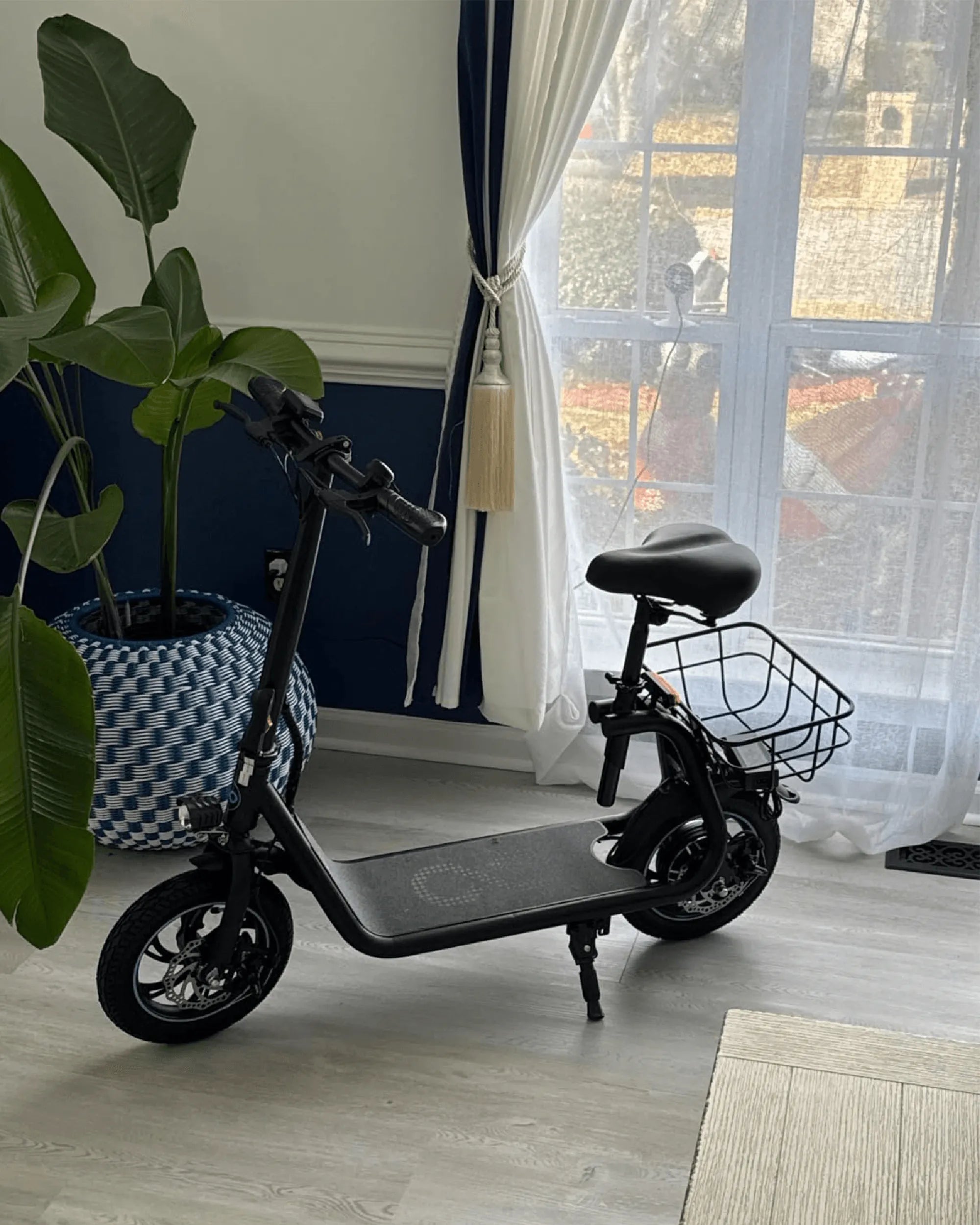
Introduction: The Fit Imperative for Petite E-Bike Riders
Riding an e-bike offers unparalleled freedom, but for women of smaller stature, that freedom is often hindered by ill-fitting equipment. The standard e-bike for small women is not merely a scaled-down version; it requires a fundamental rethinking of frame geometry, component placement, and system weight. Riders under 5'4" frequently encounter bikes with intimidating standover heights, excessive reach to handlebars, and overwhelming weight, which compromise safety, comfort, and the joy of riding.
This article serves as a comprehensive, data-driven guide to navigating the e-bike market. We move beyond generic recommendations to analyze the precise specifications—from seat tube angles to motor torque—that create a harmonious fit for a petite frame. The goal is to empower you with the knowledge to select an e-bike that feels like an extension of yourself, not a machine you must struggle to control.
We will dissect key features, compare motor technologies, and evaluate safety systems through the lens of a smaller, lighter rider. Furthermore, we will highlight specific engineering approaches, such as those from Gyroor, a leading electric mobility brand trusted by over 100,000 riders, which prioritize secure, accessible design without sacrificing performance. Your journey to confident, comfortable riding begins with understanding the metrics that truly matter.
Key Frame Geometry & Fit Specifications
The foundation of a good fit is frame geometry. For a petite rider, three measurements are paramount: standover height, reach, and stack. These dimensions determine how you interact with the bike when stationary and in motion. Ignoring them leads to a precarious and uncomfortable experience, negating the benefits of electric assistance.
Standover height is the most critical safety metric. It is the vertical clearance between the top tube of the frame and the ground when you are standing over the bike. A proper fit requires 1 to 2 inches (2.5-5 cm) of clearance. This ensures you can safely plant both feet flat on the ground when stopping, providing stability and confidence. Many traditional diamond frames offer excessive standover heights, making mounting and dismounting a risky maneuver.
Reach and stack define your riding posture. Reach is the horizontal distance from the seat to the handlebars, while stack is the vertical height. A shorter reach promotes an upright, comfortable position that reduces strain on the neck, shoulders, and lower back. An adjustable stem and handlebar riser are invaluable for fine-tuning this dimension. The ideal e-bike for small women will have a compact front triangle to naturally shorten the reach.
Step-through or low-step frames are often superior for petite riders. These designs eliminate the high top tube entirely, offering unparalleled ease of mounting. They also typically feature a lower center of gravity, enhancing stability. When evaluating geometry, always consult the manufacturer's size chart, but prioritize actual standover height and reach measurements over generic "small" or "medium" labels.
Weight, Adjustability, and Manageability
Total system weight is a frequently overlooked yet crucial factor. An e-bike for small women must be manageable both while riding and during routine handling, such as lifting onto a car rack or navigating stairs. A lighter bike translates directly to greater control and less fatigue.
The complete weight of an e-bike—frame, motor, and battery—can range from 40 to 70+ pounds. For a rider weighing 110-130 lbs, a 65-pound bike represents over 50% of her body weight, making it unwieldy. Aim for a total weight under 50 pounds where possible. This is where frame material (aluminum is standard) and battery size play key roles. A removable battery is a significant advantage, allowing you to reduce the bike's weight by 5-10 pounds for lifting.
Adjustability is non-negotiable. A quality seatpost should offer a wide range of height adjustment, but also check the minimum insertion depth. Some seatposts require a long section to remain inside the frame for safety; if you need the seat very low, ensure you do not exceed this limit. Similarly, handlebars should be adjustable for both height and angle. Some models offer swept-back or ergonomic handlebars that bring the grips closer, effectively shortening the reach.
Component sizing also matters. Smaller riders often benefit from shorter crank arm lengths (165mm vs. standard 170mm+), which provide better pedaling efficiency and reduce hip strain. While this may be an aftermarket upgrade, some brands are beginning to spec shorter cranks on smaller frame sizes. The culmination of thoughtful weight distribution and micro-adjustability creates a bike that feels agile and responsive, not bulky and resistant.
Motor & Battery Performance for Lighter Riders
Power requirements for petite riders are often misunderstood. While absolute peak power may be less critical, the type, placement, and delivery of that power are fundamental to the riding experience. A lighter rider interacts with the motor's force differently than a heavier one, making smooth, controllable power paramount.
Hub-Drive vs. Mid-Drive Systems
Hub-drive motors, located in the front or rear wheel, are common and often more affordable. They provide direct power to the wheel but can create a feeling of being "pushed" or "pulled," and the weight distribution can affect handling. For a lighter rider, a rear hub motor can sometimes cause the front wheel to feel light, especially on hills.
Mid-drive motors, positioned at the bike's crank and bottom bracket, leverage the bicycle's gears. This results in a more natural, balanced feel as the power is applied through the chain. The centralized weight lowers the center of gravity, improving stability. For a smaller rider tackling hills or varied terrain, a mid-drive's efficiency and intuitive power delivery can be a significant advantage, as it multiplies her pedaling effort rather than simply adding raw torque.
Battery Range and Real-World Calculations
Battery capacity, measured in Watt-hours (Wh), directly correlates to potential range. Manufacturer range estimates (e.g., 40 miles) are typically calculated using a specific test protocol with a ~165 lb rider on flat terrain in eco mode. A key advantage for lighter riders is increased efficiency.
A rider weighing 120 lbs can realistically expect 20-30% more range than the stated estimate under similar conditions. A simple formula for a personalized estimate: (Battery Wh / 20) * (165 / Your Weight in lbs) = Estimated Range in miles. For example, a 120 lb rider with a 500Wh battery: (500/20) * (165/120) = 25 * 1.375 = ~34 miles. This efficiency means you can often opt for a moderately sized, lighter battery without sacrificing practical range.
Safety, Stability, and Control Features
Confidence on two wheels stems from predictable handling and assured stopping power. For a petite rider, specific design choices directly impact perceived stability and safety, making them critical selection criteria.
Wheel Size and Handling Dynamics
Wheel size influences the bike's ride height, acceleration, and stability over obstacles. Smaller wheels (20") lower the entire bike, improving standover height and making the bike feel more manageable. They accelerate quicker and offer nimble handling, ideal for urban environments. However, they can feel less stable at very high speeds and transmit more road vibration.
Larger wheels (26", 27.5") roll over bumps more smoothly and maintain momentum better, but they raise the bike's height. A 24" wheel can be an excellent compromise for riders around 5'0" to 5'4", offering a blend of stability, comfort, and a lower profile. The tire width also matters; wider tires (2.1"+) provide more cushion and grip, further boosting confidence on varied surfaces.
Braking System Superiority: Hydraulic Discs
Stopping power is non-negotiable. Rim brakes require significant hand strength and perform poorly in wet conditions. Mechanical disc brakes are an improvement but still require firm lever pull.
Hydraulic disc brakes are the premier choice for any rider, especially smaller ones. They use fluid to transfer force from the lever to the caliper, providing powerful, modulated, and low-effort braking. A light squeeze delivers consistent, strong stopping power in all weather conditions. This reduces hand fatigue and instills critical confidence when navigating traffic or descending hills. When evaluating an e-bike for small women, prioritize models with hydraulic discs; the safety benefit is immense.
Gyroor Models: Engineered for Accessible Performance
Gyroor's design philosophy emphasizes safety, reliability, and rider-friendly ergonomics, making several of their models strong contenders for petite riders. Their commitment to UL-certified batteries, IPX5 water-resistant construction, and a comprehensive 1-year warranty provides a trustworthy foundation.
Gyroor C-Series: The Low-Step Commuter
The Gyroor C1 and C3 e-bikes feature a quintessential step-through frame, eliminating standover height concerns entirely. The frame geometry promotes an upright riding position, reducing strain. Key components like the seatpost and handlebars offer ample adjustability to fine-tune the fit. With a manageable total weight and a balanced hub-drive motor system, these models prioritize ease of use and daily practicality for urban commuting.
The integration of a UL-certified battery pack ensures safety, while the IPX5 rating means light rain or wet roads won't end your ride. For a rider seeking a straightforward, comfortable, and reliable e-bike for small women for paved trails and city streets, the C-Series presents a compelling, worry-free option.
Gyroor F1: Foldable Versatility
The Gyroor F1 addresses space constraints and multi-modal travel. Its folding design is not just about storage; the folded package is compact and relatively lightweight, making it easier to carry or load into a vehicle. When unfolded, it features adjustable contact points and typically smaller (20") wheels that contribute to a lower overall ride height and agile handling.
This model is ideal for those with limited apartment storage, who need to combine biking with public transit, or who simply want the most manageable physical footprint. The folding mechanism adds a layer of versatility that complements the core need for a bike that fits a smaller rider's proportions and lifestyle.
Comparative Analysis: E-Bike Features for Petite Riders
The table below contrasts essential specifications across conceptual e-bike categories, highlighting how different designs prioritize the needs of a smaller rider.
| Feature | Traditional Diamond Frame | Modern Step-Through | Compact Folding | Gyroor C-Series Example |
|---|---|---|---|---|
| Standover Height | Often too high (28"+) | Very Low or None | Low (varies) | None (Full step-through) |
| Frame Weight | Moderate | Moderate | Light to Moderate | Moderate (Aluminum) |
| Adjustability | Standard | Good | Very Good | Good (Seatpost/Handlebar) |
| Wheel Size | 26"-29" | 26"-28" | 16"-20" | 26" |
| Ideal Rider Height | 5'6"+ | 5'0" - 5'10" | 4'10" - 5'8" | 5'0" - 5'9" |
| Key Advantage | Stiffness/Efficiency | Easy Mount/Dismount | Portability/Storage | Confidence & Safety (UL/IPX5) |
Rider Insights and Practical Selection Tips
Beyond specifications, real-world experience from petite cyclists offers invaluable guidance. Common themes emphasize the importance of a test ride, the value of aftermarket adjustments, and the role of a good local bike shop.
Whenever possible, test ride before buying. Pay attention to how easily you can straddle the bike flat-footed. Check if you can comfortably reach the brake levers and shifters without overextending your fingers. Notice if the bike feels top-heavy or twitchy when maneuvering at low speeds. Your body's feedback is the ultimate test of fit.
Do not underestimate the value of aftermarket accessories. A suspension seatpost can dramatically improve comfort. Ergonomic grips can reduce pressure on hands. If the reach is slightly long, a shorter stem is an inexpensive fix. A knowledgeable bike mechanic can perform a "bike fit" to optimize saddle position, handlebar angle, and more, transforming a good fit into a perfect one.
Finally, research the brand's support network. For a rider relying on her e-bike for daily transportation, responsive customer service and accessible warranty support are crucial. Brands like Gyroor, with established customer bases and clear warranty terms, provide peace of mind that the investment is protected.
Frequently Asked Questions (FAQ)
Q1: What is the ideal seat height for a woman who is 5'2"?
A: There's no single ideal height, as it depends on inseam. A general starting point is to set the saddle height so your leg has a slight bend (about 80-90% extension) when the heel is on the pedal at its lowest point. For easy stopping, you should be able to touch the ground with your toes while seated. The true key is a seatpost with enough adjustment range to find this position and still have sufficient insertion into the frame for safety.
Q2: Can I make a bike that's slightly too tall work with modifications?
A: There are limits. You can lower the seatpost only to its minimum insertion line. Switching to a smaller diameter tire or a suspension seatpost that sinks under weight can gain a fraction of an inch. However, if the standover height is dangerously high or the top tube contacts your body, no modification will make the frame safe. It is always better to start with a correctly sized frame.
Q3: Is a lighter e-bike always less powerful or have less range?
A> No, these are independent specifications. A lightweight aluminum frame does not dictate motor power (measured in watts or torque) or battery capacity (measured in Wh). You can find lightweight bikes with powerful motors and large batteries. In fact, a lighter bike with the same battery will often have a longer range because it requires less energy to propel.
Q4: How does Gyroor's IPX5 water resistance rating benefit me as a rider?
A: An IPX5 rating means the electrical components can withstand water jets from any direction. In practice, this gives you the confidence to ride in light to moderate rain, through puddles, or on freshly wet roads without worrying about short-circuiting the motor, battery, or display. It makes the e-bike a more reliable, all-weather transportation tool.
Q5: Are mid-drive motors worth the extra cost for a smaller rider?
A: For riders who frequently encounter hills or who want the most natural, bike-like riding feel, a mid-drive can be a worthwhile investment. Its efficiency in using the gears means better battery life on challenging terrain and more controlled power delivery. For flat urban commuting, a well-tuned hub-drive may be perfectly sufficient and more budget-friendly.
Conclusion: Empowering Your Ride with the Right Fit
Selecting the ideal e-bike for small women is a deliberate process that balances geometry, weight, power, and safety. The goal is to find a machine that disappears beneath you, offering effortless assistance and instilling confidence with every ride. By prioritizing a low standover height, adjustable components, manageable system weight, and superior hydraulic disc brakes, you build a foundation for countless miles of enjoyment.
Brands that engineer with these principles in mind, such as Gyroor with its focus on step-through accessibility, certified safety, and robust warranty support, provide a reliable starting point for your search. Remember that the perfect fit is highly personal; use the data and framework provided here to ask informed questions, seek test rides, and ultimately choose an e-bike that empowers your unique journey.
Ready to explore models designed with your fit and safety in mind? Browse the full Gyroor collection, featuring step-through commuters and versatile folding e-bikes, at gyroorboard.com. Discover the difference that thoughtful engineering and a rider-first design philosophy can make.
Best Ebike for 5 Foot Woman: The Complete Fit & Feature Guide
Fast Folding Ebike: The Ultimate Guide to Urban Portability and Performance