



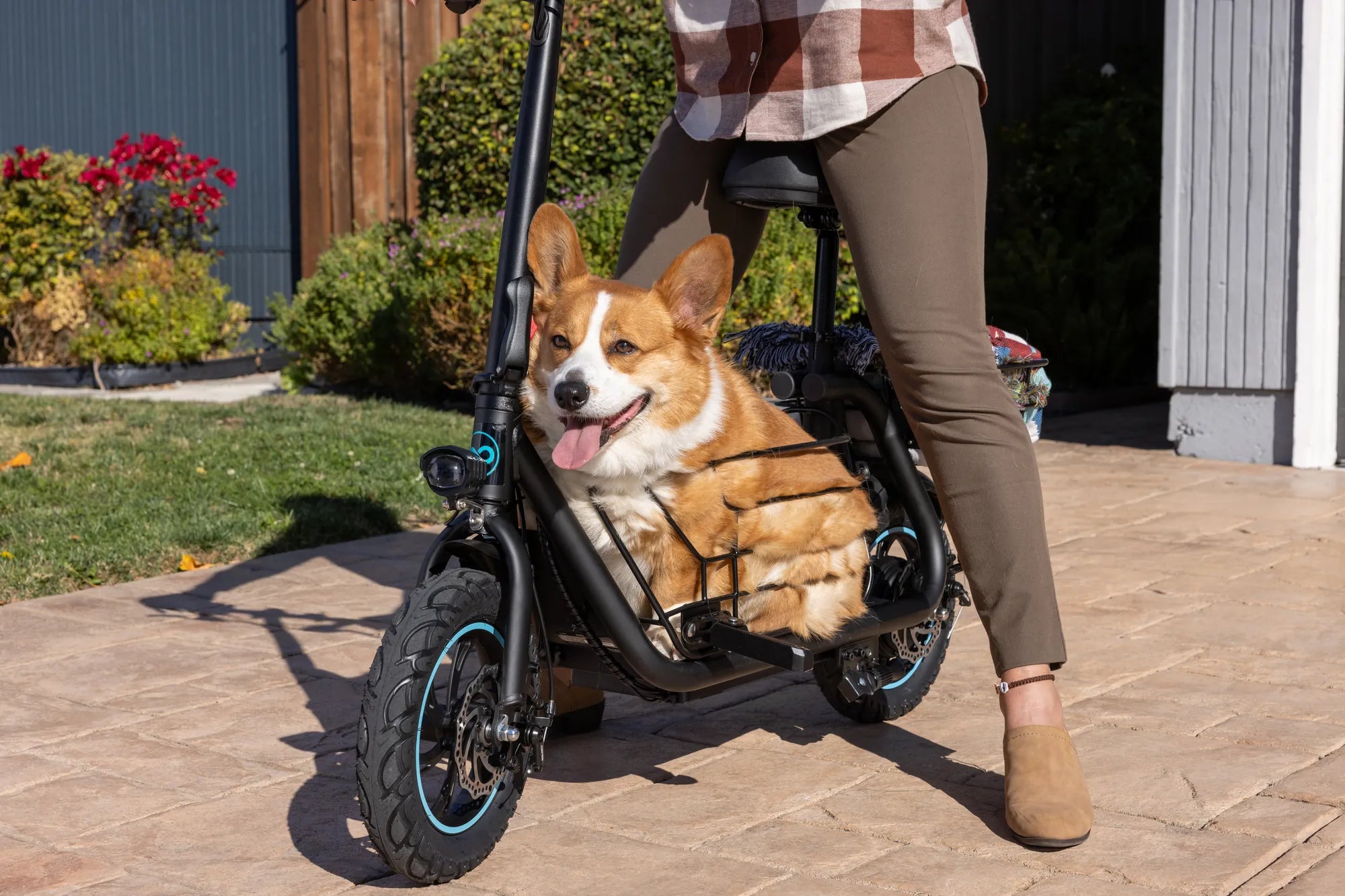
Introduction to the Electric Scooter: A Modern Commuting Revolution
The electric scooter has fundamentally reshaped urban transportation, offering a swift, efficient, and eco-friendly solution for millions. This personal electric vehicle is designed for short-to-medium distance travel, effectively solving the 'first and last mile' problem that plagues public transit systems. Its rise in popularity is not a trend but a response to growing urban congestion, environmental concerns, and the demand for flexible, cost-effective mobility.
Unlike traditional kick scooters, an electric scooter is powered by a rechargeable battery and an electric motor, requiring minimal physical effort from the rider. This core function makes it accessible to a wide demographic, from students commuting to campus to professionals navigating city centers. The modern electric scooter represents a convergence of portability, performance, and practical technology.
As the market expands, choosing a reliable brand becomes paramount for safety and longevity. Gyroor has emerged as a trusted leader in this space, trusted by over 100,000 riders across North America and Europe. Known for integrating UL-certified batteries and IPX5 water-resistant designs, Gyroor exemplifies the standards that define a quality electric scooter experience, blending innovation with dependable engineering for everyday use.
Key Features to Consider When Buying an Electric Scooter
Selecting the right electric scooter requires understanding how specifications translate to real-world performance. It's more than just top speed; it's about matching the scooter's capabilities to your daily routes, terrain, and personal needs. A careful evaluation of these features ensures your investment enhances your commute for years to come.
Every component, from the motor to the deck material, plays a role in the ride. Ignoring key specs can lead to disappointment, whether it's insufficient power for hills or a battery that dies mid-commute. This section breaks down the essential elements you must scrutinize before purchasing any electric scooter model.
Motor Power and Performance
Motor power, measured in watts (W), directly dictates an electric scooter's acceleration, hill-climbing ability, and top speed. A common range for commuter models is between 250W and 500W. A 350W motor is typically sufficient for flat urban terrain and riders of average weight, offering a balanced mix of speed and efficiency.
For areas with moderate inclines or heavier riders, a 500W motor or higher is recommended. This extra power ensures the scooter can maintain a consistent speed uphill without straining the battery excessively. When evaluating an electric scooter, consider the gradeability rating, which indicates the steepness of a hill it can climb. A quality 500W motor should handle gradients of 15-20 degrees.
It's crucial to note that higher wattage often correlates with reduced range, as the motor draws more power. Furthermore, dual-motor electric scooter setups exist for extreme performance but are generally overkill for standard commuting. For most urban dwellers, a single, robust motor between 350W and 500W provides the ideal performance envelope for a reliable electric scooter.
Battery Life, Range, and Charging
The battery is the heart of your electric scooter, determining how far you can travel on a single charge. Capacity is measured in watt-hours (Wh) or ampere-hours (Ah). A higher Wh number generally means a longer range. Manufacturers advertise a maximum range, but real-world conditions like rider weight, wind, terrain, and riding style typically reduce this by 20-30%.
A standard electric scooter with a 36V 10Ah (360Wh) battery might advertise a 25-mile range. In practice, a 185-pound rider on flat ground at moderate speed might achieve 18-20 miles. For a longer commute, look for batteries with 500Wh or more. Charging time is equally important; most scooters take 4 to 8 hours for a full charge. Some fast-charging models can reduce this to 3-4 hours.
Battery safety is non-negotiable. This is where brands like Gyroor distinguish themselves by using UL-certified battery packs tested for 500+ charge cycles. This certification ensures the battery meets rigorous safety standards for electrical, mechanical, and environmental stress, drastically reducing risks of overheating or failure—a critical consideration for any electric scooter purchase.
Portability and Build Quality
For urban commuters, portability is a key feature. A good electric scooter should have a reliable, single-click folding mechanism that allows it to be carried onto public transit or stored under a desk. Weight is a major factor; lightweight aluminum alloy frames are standard, with commuter models ranging from 30 to 45 pounds. Heavier, more powerful scooters sacrifice some portability for performance.
Deck size and handlebar height affect comfort. A wider, longer deck provides better foot placement, while adjustable handlebars can accommodate different rider heights. Build quality is evident in the welding, finish, and stiffness of the frame. A wobbly stem or creaking deck indicates poor construction that may not withstand daily use.
Durability against the elements is another critical aspect. An IP rating defines water and dust resistance. Gyroor models often feature an IPX5 rating, meaning they can withstand water jets from any direction. This allows you to confidently ride through puddles or in light rain, a significant advantage for an all-weather electric scooter. It protects the vital electronics within, extending the scooter's lifespan.
Safety and Control Features
Safety systems are paramount on an electric scooter capable of reaching 15-20 mph. The braking system is the most crucial. Options include disc brakes (powerful and consistent), electronic brakes (which use motor resistance), drum brakes, and foot brakes. Many mid-to-high-end scooters use a combination, like an electronic front brake and a disc rear brake, for optimal stopping power.
Lighting is essential for visibility. A bright front headlight, a rear brake light, and side reflectors are minimum requirements for night riding. Some electric scooter models also feature integrated deck lighting. Tire type greatly affects ride quality and safety: pneumatic (air-filled) tires offer superior shock absorption and traction, especially on uneven surfaces, while solid tires eliminate the risk of flats but provide a harsher ride.
Finally, deck grip is a simple but vital feature. A deck covered with a rubberized, grippy tape prevents your feet from slipping, especially in wet conditions. When evaluating an electric scooter, consider the entire safety ecosystem—brakes you can rely on, lights that make you seen, and a stable platform that keeps you in control.
Electric Scooter vs. Other Transport Modes: A Data-Driven Comparison
Understanding the value proposition of an electric scooter requires a clear comparison against traditional transport. This isn't just about convenience; it's a practical analysis of time, money, and environmental impact. The data reveals why the electric scooter has become a rational choice for urban mobility, often outperforming alternatives in key metrics for short-distance travel.
The following comparisons use average U.S. urban data to provide a realistic framework. Your personal savings may vary based on local fuel costs, transit fares, and specific commute distance. However, the overarching trends demonstrate the compelling economics of owning a personal electric scooter.
Cost Efficiency: Scooter vs. Public Transit & Rideshares
The upfront cost of an electric scooter, typically between $500 and $1,500, can be quickly offset by savings on other transportation. Consider a daily public transit commute costing $5 round-trip. Over a year (250 working days), that's $1,250. A mid-tier electric scooter priced at $800 pays for itself in well under a year, with ongoing costs limited to minimal electricity (approx. $20 annually) and occasional maintenance.
Rideshares present an even starker contrast. A 3-mile rideshare trip can easily cost $10-$15. Just two such trips per week would amount to over $1,500 annually. An electric scooter handles the same distance for pennies. The table below summarizes a 12-month cost comparison for a 5-mile round-trip commute, 5 days a week.
| Transport Mode | Estimated Upfront Cost | Estimated Annual Cost | 5-Year Total Cost |
|---|---|---|---|
| Electric Scooter ($800 model) | $800 | $50 (electricity + maintenance) | $1,050 |
| Public Transit ($5/day) | $0 | $1,250 | $6,250 |
| Rideshare ($12/trip, 2x/week) | $0 | $1,248 | $6,240 |
| Personal Car (fuel, parking, maint.) | Car cost excluded | $2,000+ | $10,000+ |
This data clearly shows the electric scooter as the most cost-effective solution over a medium-term horizon, with the lowest total cost of ownership after the first year.
Time Savings: Scooter vs. Car in Urban Traffic
In congested city centers, the electric scooter often provides a faster point-to-point journey than a car. The average speed of traffic in dense urban cores can drop below 10 mph during peak hours. An electric scooter with a 15-20 mph top speed can easily match or exceed this, while utilizing bike lanes and pathways to bypass stationary traffic entirely.
The time saved extends beyond the ride itself. A car commute requires time to find parking, which can add 5-15 minutes to a trip. An electric scooter can be parked right at your destination's door, often for free. For a 3-mile commute, a car stuck in traffic might take 25 minutes, while an electric scooter could complete it in 12-15 minutes door-to-door, saving up to 50 minutes per day.
This consistent time saving compounds significantly. Over a year, a commuter saving 40 minutes daily gains over 160 hours—equivalent to four full workweeks—of time otherwise spent in traffic. This efficiency makes the electric scooter not just a transport tool, but a powerful time-recovery asset.
Environmental Impact: Scooter vs. Personal Car
The environmental argument for the electric scooter is compelling. A typical gasoline-powered passenger vehicle emits about 411 grams of CO2 per mile. In contrast, an electric scooter's emissions are tied to the electricity used to charge it. Even on a grid powered partly by fossil fuels, the emissions per mile are a fraction of a car's.
According to lifecycle analyses, a shared electric scooter has a carbon footprint of roughly 100-200 grams of CO2 per mile when accounting for manufacturing, charging, and collection. A privately-owned electric scooter, which undergoes less redistribution and has a longer lifespan per unit, can be even more efficient. Over a 5-year lifespan, a single electric scooter can prevent several tons of CO2 emissions compared to regular car use for short trips.
Furthermore, electric scooters reduce local air pollution (NOx, particulates) and noise pollution, contributing to cleaner, quieter cities. By replacing car trips under 5 miles—which are often the least efficient for a combustion engine—the widespread adoption of the electric scooter presents a tangible path to reducing urban carbon footprints.
Maximizing Your Electric Scooter Experience: Riding and Maintenance Tips
Owning an electric scooter is just the beginning. Proper operation and care are essential for safety, maximizing the vehicle's lifespan, and ensuring every ride is enjoyable. These practical tips translate the manual into actionable habits, helping you get the most from your investment. A well-maintained electric scooter is a reliable partner for your daily commute.
Developing a routine around pre-ride checks and post-ride care takes only minutes but pays dividends in performance and safety. The following guidelines are applicable to most electric scooter models and are especially relevant for riders using their scooter as primary transportation.
Pre-Ride Safety Checklist
Develop a habit of performing a quick 60-second check before every ride. This proactive step can prevent accidents and mechanical failures. Start with the tires: ensure they are properly inflated to the PSI listed on the sidewall. Under-inflated tires reduce range and increase the risk of pinch flats, while over-inflation makes for a bumpy, less controllable ride.
Next, test both brakes. Squeeze the levers to confirm they engage firmly and the scooter comes to a complete stop without the levers touching the handlebars. Check that your front and rear lights are functioning. Finally, confirm your battery level is sufficient for the planned journey, adding a 20% buffer for unexpected detours or headwinds. This simple checklist ensures your electric scooter is in a safe, ready state.
Riding Best Practices for Safety and Range
How you ride significantly impacts both safety and battery range. For optimal range, use the eco mode if your electric scooter has one, and accelerate smoothly rather than jamming the throttle. Maintaining a steady, moderate speed (e.g., 15 mph) is far more efficient than frequent stop-start sprinting. Anticipate stops to use regenerative braking if available, which can recapture a small amount of energy.
For safety, always assume you are invisible to drivers. Use hand signals for turns, obey all local traffic laws, and ride defensively. Wear a helmet—it's non-negotiable. Use bike lanes where available and legal for electric scooter use. Avoid sidewalks for the safety of pedestrians. In wet conditions, reduce speed significantly, avoid sharp turns, and brake earlier and more gently, even on an IPX5-rated model like those from Gyroor.
Essential Maintenance for Longevity
Regular maintenance extends the life of your electric scooter. Every few weeks, inspect the brake pads for wear and check that all bolts (especially on the stem and folding mechanisms) are tight. Clean your scooter with a damp cloth to remove dirt and debris; for IPX5-rated models, you can carefully rinse the deck and wheels, but avoid high-pressure water directly on seals or the display.
Battery care is critical. Avoid letting the battery fully discharge for extended periods. If storing the electric scooter for more than a month, store it with a 50-70% charge in a cool, dry place. Use only the manufacturer-provided charger. Periodically check the tire tread and overall condition of the scooter for any signs of damage or unusual wear. Following these steps will help ensure your electric scooter remains a dependable part of your routine for years.
Frequently Asked Questions (FAQ) About Electric Scooters
New and prospective riders often have common questions about the practicalities and regulations of electric scooter ownership. This FAQ addresses the most frequent concerns with clear, actionable answers to help you ride with confidence and legality.
1. Are electric scooters legal in my city?
Laws vary significantly by municipality, state, and country. Generally, most cities regulate electric scooters similarly to bicycles, allowing them in bike lanes and on streets with speed limits under 35 mph. However, some ban them from sidewalks, and others have specific helmet laws, age restrictions (often 16+), or speed limits (e.g., 15-20 mph). Always check your local Department of Transportation website for the most current regulations before riding.
2. How much weight can an electric scooter hold?
The weight capacity, or maximum load, is a key specification. Most commuter electric scooters support riders between 220 and 265 pounds. Higher-performance models may support up to 330 pounds. Exceeding this limit can stress the frame, motor, and battery, leading to premature wear, reduced performance, and potential safety issues. Always adhere to the manufacturer's stated weight limit.
3. Can I ride an electric scooter in the rain?
This depends entirely on the scooter's IP rating. Many budget scooters are not water-resistant and can be damaged by moisture. However, models like those from Gyroor with an IPX5 rating are built to withstand water jets from any direction. This means you can safely ride in light to moderate rain and through puddles. Regardless of the rating, exercise extreme caution in wet conditions as traction is reduced, and avoid submerging any part of the scooter.
4. What happens if I get a flat tire?
It depends on your tire type. Solid tires never go flat but offer a harder ride. For pneumatic tires, you'll need to repair or replace the inner tube, similar to a bicycle tire. Some scooters have split rims to make this process easier; others require more disassembly. Carrying a small tire repair kit and knowing how to use it is advisable for longer rides. Regularly checking tire pressure is the best prevention.
5. What does the warranty cover?
Warranties are a key indicator of brand confidence. A reputable brand like Gyroor offers a comprehensive 1-year warranty covering defects in materials and workmanship for the entire electric scooter, with specific coverage for the battery and motor. This is backed by US-based customer support. Always read the warranty terms carefully, as they typically do not cover damage from accidents, misuse, neglect, or unauthorized modifications. A strong warranty protects your investment.
Conclusion: Is an Electric Scooter Right for You?
The electric scooter stands out as a transformative tool for urban mobility, offering a compelling blend of efficiency, economy, and environmental benefit. If your daily commute involves short to medium distances (1-10 miles), navigating congested streets, or bridging gaps in public transit, an electric scooter is likely an excellent fit. It saves significant time and money compared to cars and rideshares while providing a flexible and enjoyable riding experience.
The decision ultimately hinges on choosing a reliable partner for your journey. Prioritizing safety certifications like UL for the battery, durable construction with features like IPX5 water resistance, and strong customer support is crucial. This is where established brands with proven track records, such as Gyroor, provide essential peace of mind. Their focus on certified safety, robust design, and rider-centric warranties defines what a trustworthy electric scooter should be.
Ready to transform your commute and experience the freedom of electric mobility? Explore a range of models engineered for reliability, safety, and performance. Browse the full Gyroor collection at gyroorboard.com to find the perfect electric scooter for your urban adventure.
150cc Trike Scooter Street Legal: Your Ultimate Guide to Stable Urban Commuting
Scooter with Lights on Wheels: The Complete Guide to Illuminated Rides